English
 Bahasa Indonesia
 Bahasa Melayu


An automatic parking barrier system controls vehicle entry and exit by combining a motorized barrier gate with one or more access-control methods and safety devices. When an authorized vehicle approaches, the system checks its credentials or identification, confirms that the lane is safe to operate, and sends a command to raise the boom arm. After the vehicle passes, a detector or controller triggers the arm to close when the closing conditions are satisfied. This guide explains how the system works, the main components, common operating modes, safety design and how to choose the right configuration.

Quick answer: an automatic parking barrier system works as a chain of steps: a vehicle is detected, the access controller verifies permission from a plate, card, code or operator, safety conditions are checked, the boom arm opens, the vehicle passes, and the barrier closes and logs the event. The exact workflow depends on the selected equipment, software and site rules.
An automatic parking barrier system controls vehicle entry and exit by combining a motorized barrier gate with one or more access-control methods and safety devices. When an authorized vehicle approaches, the system checks its credentials or identification, confirms that the lane is safe to operate, and sends a command to raise the boom arm. After the vehicle passes, a detector or controller triggers the arm to close when the closing conditions are satisfied.
At a simple site, the trigger may be a remote control or push button. At a smart car park, the system may use automatic license plate recognition (ALPR/ANPR/LPR), RFID cards or tags, QR codes, intercom approval, ticketing, payment status or a parking-management platform. The exact workflow depends on the selected equipment, software and site rules.
A vehicle approaches the controlled lane and stops at the designated position. Lane markings, signs, loop detectors, radar sensors, cameras and ticket or card readers help guide the driver and detect the vehicle. Correct positioning matters: a camera needs a suitable view of the plate, while a reader needs the vehicle or credential to be within its operating range.
A detection device tells the controller that a vehicle is present or approaching. Common options include an inductive loop buried in the pavement, a radar sensor, an infrared photoelectric sensor or video analytics. These devices do not all perform the same function: some detect vehicle presence, some help prevent the arm from closing onto an occupied lane, and others support traffic sequencing.
The access-control controller checks whether the vehicle or driver is permitted to enter. Depending on the configuration, authorization may come from a registered license plate, RFID credential, QR code, access card, PIN, mobile credential, ticket, guard approval or a valid payment record. The controller applies the site rules, such as resident lists, employee permissions, visitor appointments, time windows or paid-parking status.
With an ALPR/ANPR/LPR setup, a camera captures the vehicle plate and recognition software converts the image into plate characters. The software compares the result with an authorized list or sends it to parking-management software for a decision. With RFID, a reader receives the credential from a card or tag and passes its identifier to the controller. Recognition quality depends on installation angle, lighting, plate condition, speed, network performance and configuration; no recognition rate should be promised without validated test data for the target site.
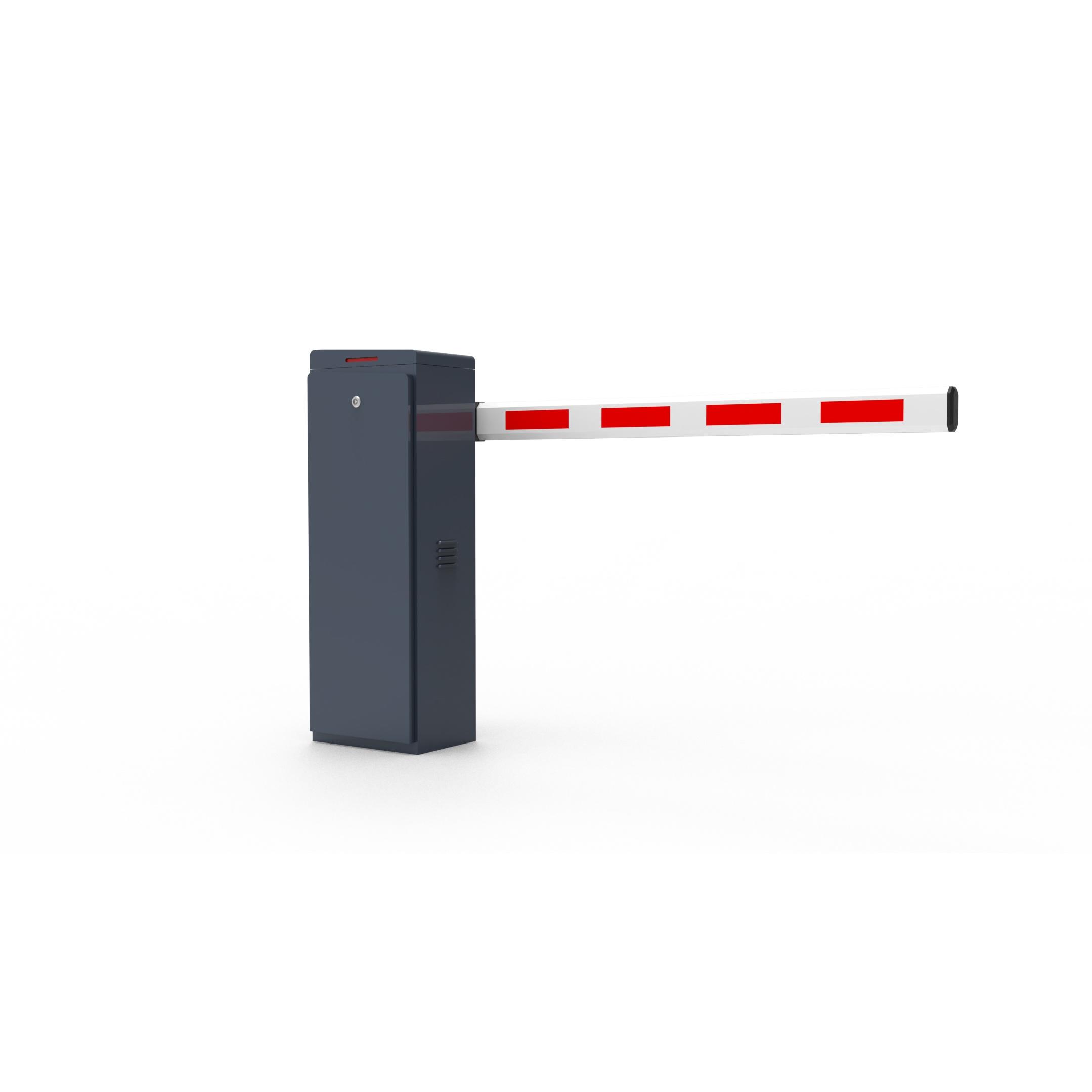
If access is approved and the required safety conditions are satisfied, the controller sends an open command to the barrier operator. The motor and transmission mechanism raise the boom arm. Depending on the model and configuration, the barrier may support adjustable opening and closing speeds, soft start or stop, status indicators and different arm styles. The arm length, opening speed, duty cycle and motor type should be selected to match lane width and traffic volume.
The driver proceeds only when the lane is clear and the barrier is fully raised. Presence detectors and the controller help maintain the correct sequence and reduce the risk of premature closing. For sites with high traffic volumes, lane layout, signage, stop-line placement, camera positioning and barrier speed all influence throughput. A barrier gate is one part of the overall traffic-control design, not a substitute for safe lane planning.
After the vehicle passes, a loop detector, radar, photoelectric device or configured control logic can indicate that the lane is clear. The controller then commands the boom arm to lower, provided that the configured safety inputs allow closing. The exact sequence varies by installation. For example, an exit lane may also need to check payment or validate a ticket before granting passage.
An integrated system may log plate reads, access decisions, entry and exit timestamps, payment records, alarms and operator actions. Depending on the software architecture, records may be stored locally, on a server or in the cloud. These records can help operators investigate disputes, review traffic patterns, manage permissions and generate reports. Data retention, access rights, cybersecurity and privacy requirements should be established before deployment.
A complete system is more than a single gate. The main building blocks are listed below.
| Component | What it does |
|---|---|
| Barrier gate and boom arm | Physically blocks or permits vehicle passage; arm style matches the lane and clearance. |
| Motor, transmission, control board | Moves the arm and coordinates commands, timing and connected safety inputs. |
| Access identification devices | Read plates, cards, QR codes or other credentials for authorization. |
| Vehicle detection and safety devices | Detect presence and obstructions and support safe operation. |
| Parking management software and network | Applies rules, logs events and connects the barrier to other systems. |
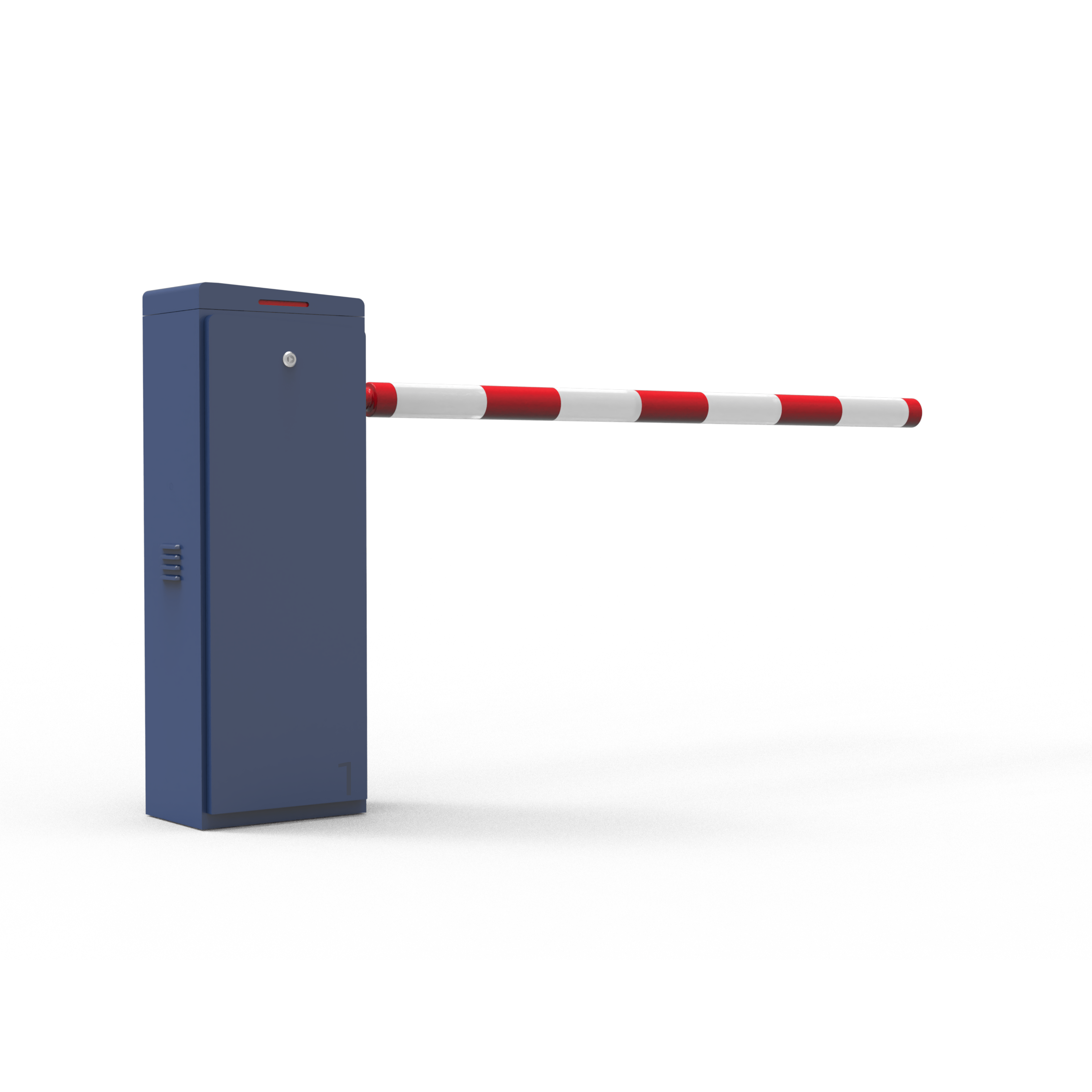
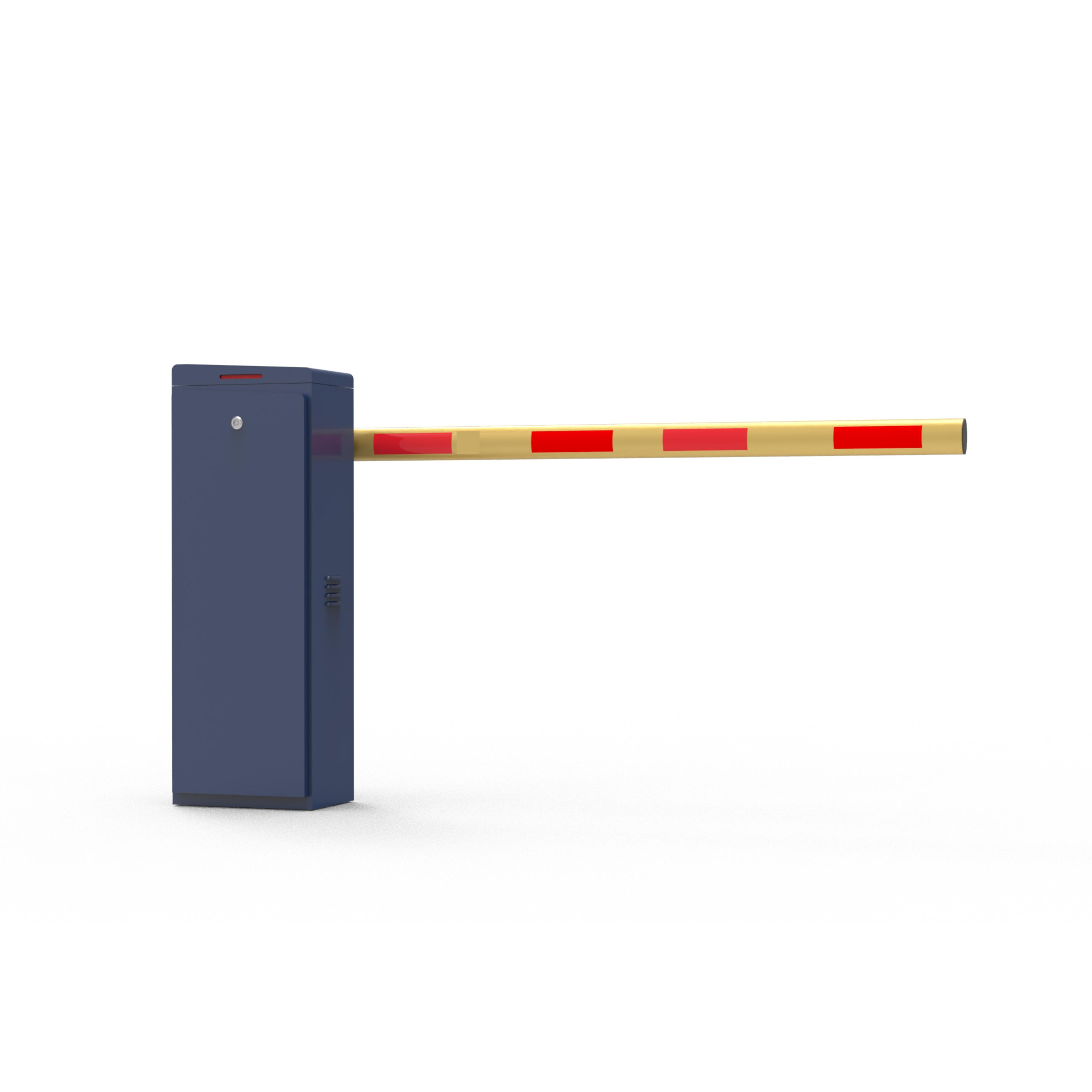
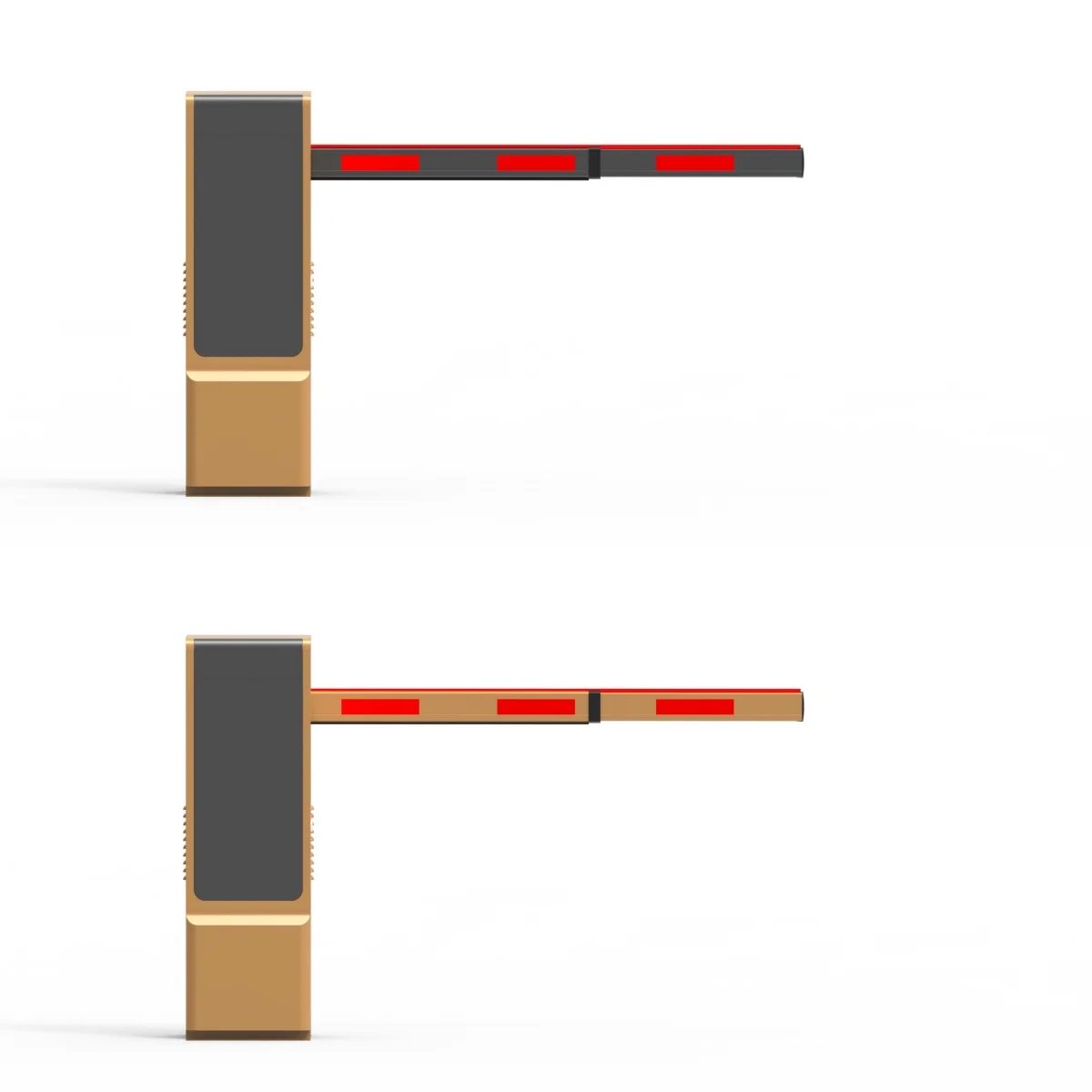
The barrier gate is the physical vehicle-control device. Common configurations include straight arms for open lanes, folding arms for locations with limited overhead clearance, and fence-style arms where a more enclosed visual boundary is needed. Selection should consider clear lane width, ceiling height, wind exposure, traffic frequency, maintenance access and the site safety assessment.
The motor and transmission move the arm, while the control board coordinates commands, limit positions, timing and connected safety inputs. Brushless DC, brushed DC, AC or servo-based drives may be available depending on the product family. Buyers should compare the manufacturer verified duty-cycle rating, operating speed, environmental rating, service requirements and spare-parts support rather than selecting on motor type alone.
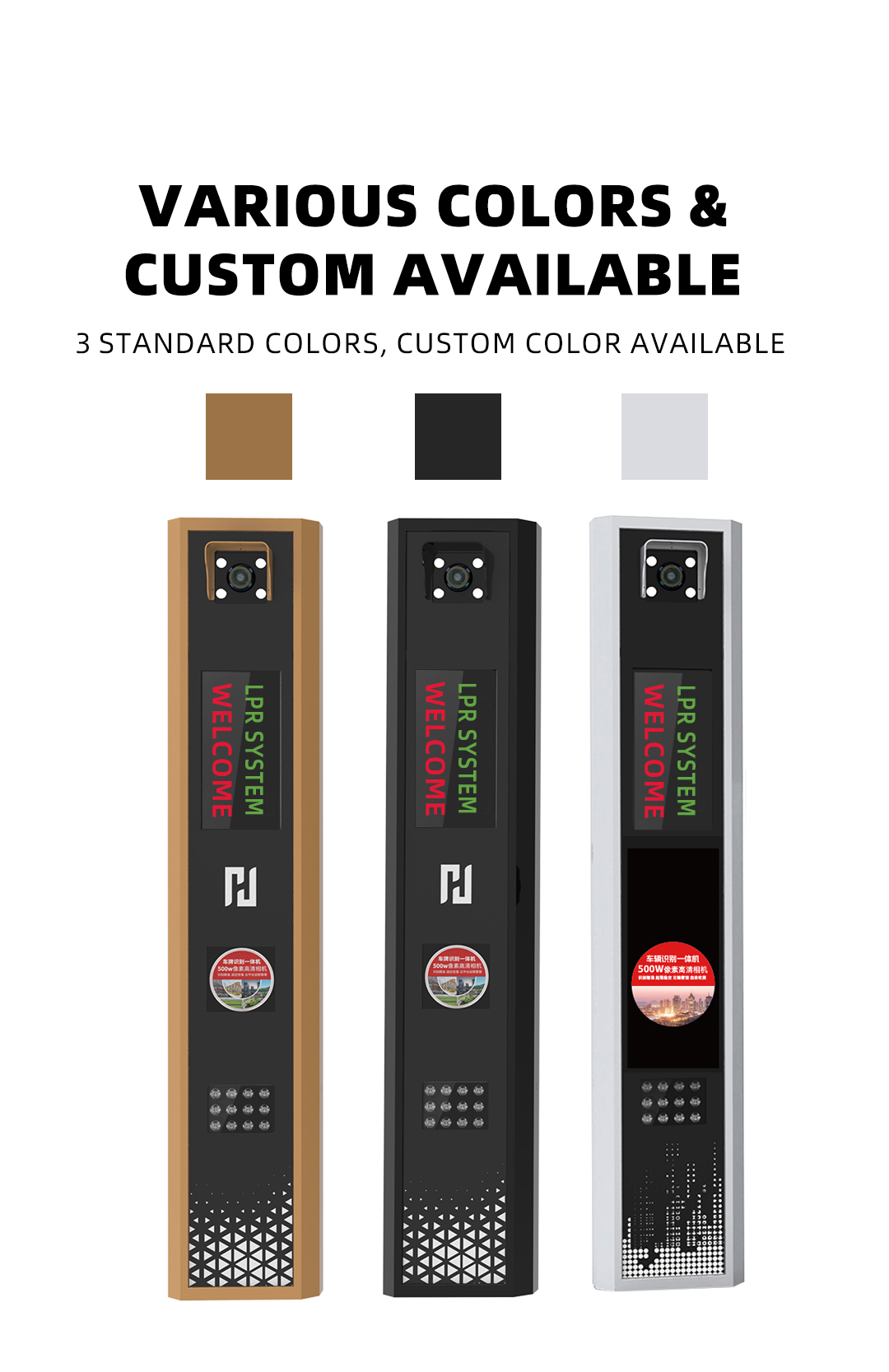
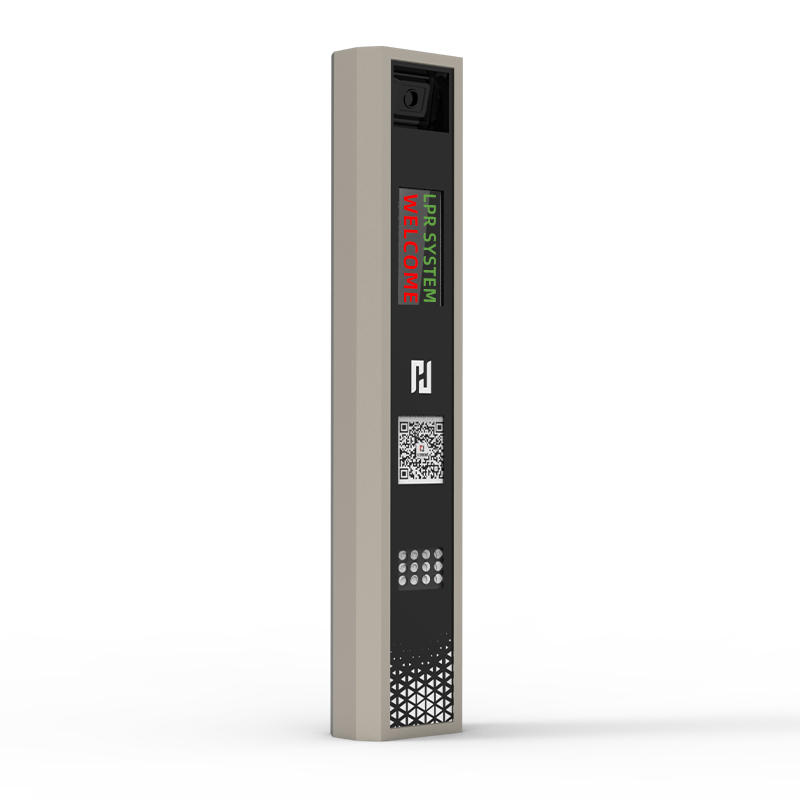
Identification equipment may include LPR cameras, RFID readers, QR-code scanners, ticket dispensers, keypads, intercoms or guard terminals. The right combination depends on whether the site serves residents, employees, visitors, short-stay customers, trucks or mixed traffic. Multiple authorization methods can provide flexibility, but the access rules and fallback procedure should be clearly defined.
Loop detectors, radar sensors, photoelectric sensors and other approved safety devices can provide vehicle-presence or obstruction signals. Anti-collision and auto-reverse functions may also be available on selected models. Safety performance depends on the actual equipment, wiring, configuration, installation and maintenance. Follow the manufacturer manual and applicable local regulations; never assume that one sensor alone makes a lane safe.
Software links access rules, recognition devices, payment systems, operator interfaces and reporting. Communication may use TCP/IP or vendor-supported interfaces; compatibility with third-party platforms must be confirmed against actual protocols, API documentation, firmware and project requirements. A network outage plan should specify whether the lane denies access, uses local authorized lists, switches to manual operation or follows another approved fail-safe procedure.
The camera reads a vehicle plate and the system compares the result with the authorized database or parking rules. This can support ticketless entry and exit when the complete installation and software are configured for it. Plate recognition should be tested in day and night conditions, at the expected approach angle and speed, and with the plate types used in the target region.
An RFID reader identifies an enrolled card or tag and forwards the credential to the controller. RFID is often suitable for residents, employees, fleets and other recurring users. Reader range, credential type, mounting position and the risk of credential sharing should be considered during design.
A QR code, parking ticket or PIN can provide temporary or transaction-based authorization. The system may validate a booking, ticket, payment or time limit before allowing the barrier to open. The operator should provide a clear process for unreadable tickets, expired codes or customers who need assistance.
Manual approval remains useful at private entrances, staffed facilities and visitor lanes. A guard or operator can review the vehicle and send an open command using an authorized control interface. Manual operation should be permission-controlled and logged where practical, and should not bypass required safety checks.
A safe design uses layered protection rather than relying on a single feature. Depending on the project, this may include vehicle-presence detection, photoelectric protection, radar, anti-crash logic, auto-reverse, warning lights, audible alerts, emergency release and clearly marked vehicle lanes. Not every model includes every feature, so verify the bill of materials and the manufacturer documentation.
The site must also be designed for pedestrians, cyclists, motorcycles, emergency vehicles and tailgating risks. Install and test safety devices according to the manufacturer instructions and local standards. Maintenance teams should inspect sensors, arm balance, fasteners, wiring, warning indicators and emergency-release operation at a defined interval. Never encourage a driver or pedestrian to pass beneath a moving arm.
A properly designed system can reduce routine manual checks, apply access rules consistently, improve entry and exit records and help operators manage traffic more efficiently. Integration with plate recognition, RFID, payment and parking software can reduce the need for paper tickets or repeated credential handling in suitable environments. Results depend on the site layout, configuration, network reliability, maintenance and user workflow.
Automation does not eliminate every operational task. Operators still need to manage exceptions, update authorized lists, respond to alarms, support visitors, maintain devices and review privacy and cybersecurity controls. Treat automation as a way to improve a well-designed process, not as a replacement for operational planning.
Before selecting a system, define the application and the measurable requirements.
BAROXON public product portfolio includes boom barrier gates, high-speed barrier gates, ALPR/LPR vehicle identification equipment, automatic RFID boom barriers, radar sensors, parking locks and related access-control products. Depending on the project specification, a solution can be planned around the physical barrier, vehicle-identification method, safety devices and the required parking-management interface. Confirm the exact model, included accessories, communication protocol and software compatibility with BAROXON before specifying a final configuration.
To explore product options, review the boom barrier and parking system range, the high-speed barrier gates, the automatic RFID boom barrier, the smart boom barrier gate solutions and the ALPR/LPR vehicle identification system. For planning help, see the technical support resources or contact BAROXON with your project requirements.
Yes, when the system receives a valid authorization signal and its configured operating and safety conditions are met. The trigger may come from LPR, RFID, a QR code, a ticket system, an operator or another supported input.
A parking barrier gate is the physical mechanism that blocks or permits vehicle passage. A smart parking system is broader: it may include identification, access rules, payment, parking-space data, reporting, networking and one or more barrier gates.
Yes, if the barrier controller, LPR/ANPR equipment and management software are compatible and correctly configured. Verify the interface and test recognition under the lighting, angles, speeds and plate formats expected at the site.
The required detection devices depend on the design and applicable safety requirements. Vehicle-presence and obstruction-detection devices are important parts of many installations, but the correct arrangement must be specified by a qualified installer using the manufacturer instructions and local regulations.
The behavior depends on the hardware, controller settings, backup power, local authorization storage and site policy. Before installation, agree on the approved response for power loss, network outage, manual release, emergency access and restoration.
Follow the manufacturer maintenance schedule and the intensity of use at the site. Routine checks should cover the boom arm and fasteners, balance and movement, sensors, electrical connections, warning devices, emergency release and controller fault logs. High-traffic or harsh environments may require more frequent inspection.
Often yes, but compatibility is not universal. Confirm supported protocols, API access, event formats, network requirements, licensing and the responsibilities of each vendor before procurement. Test the complete workflow before commissioning.
Baroxon designs and manufactures automatic boom barriers, parking barrier gates, LPR/ANPR license plate systems, radar safety sensors, turnstiles and access control systems. Production is certified to ISO 9001, ISO 14001 and ISO 45001, and the company operates two production bases and two research and development centres covering more than 2,000 m2. For related background, see the other technical guides in this section.
An automatic parking barrier system works by combining vehicle detection, access authorization, a barrier controller, a motorized boom arm, safety inputs and, where required, parking-management software. A reliable installation depends on matching the equipment to traffic volume and site geometry, validating all interfaces, providing layered safety protection and planning for failures and maintenance.
For a project-specific recommendation, review the site layout, lane width, traffic volume, access methods, safety requirements and software interface needs with a qualified supplier. Explore the BAROXON boom barrier and parking system products, high-speed barrier gates, automatic RFID boom barrier, smart boom barrier gate solutions and technical support resources when planning your configuration.