English
 Bahasa Indonesia
 Bahasa Melayu


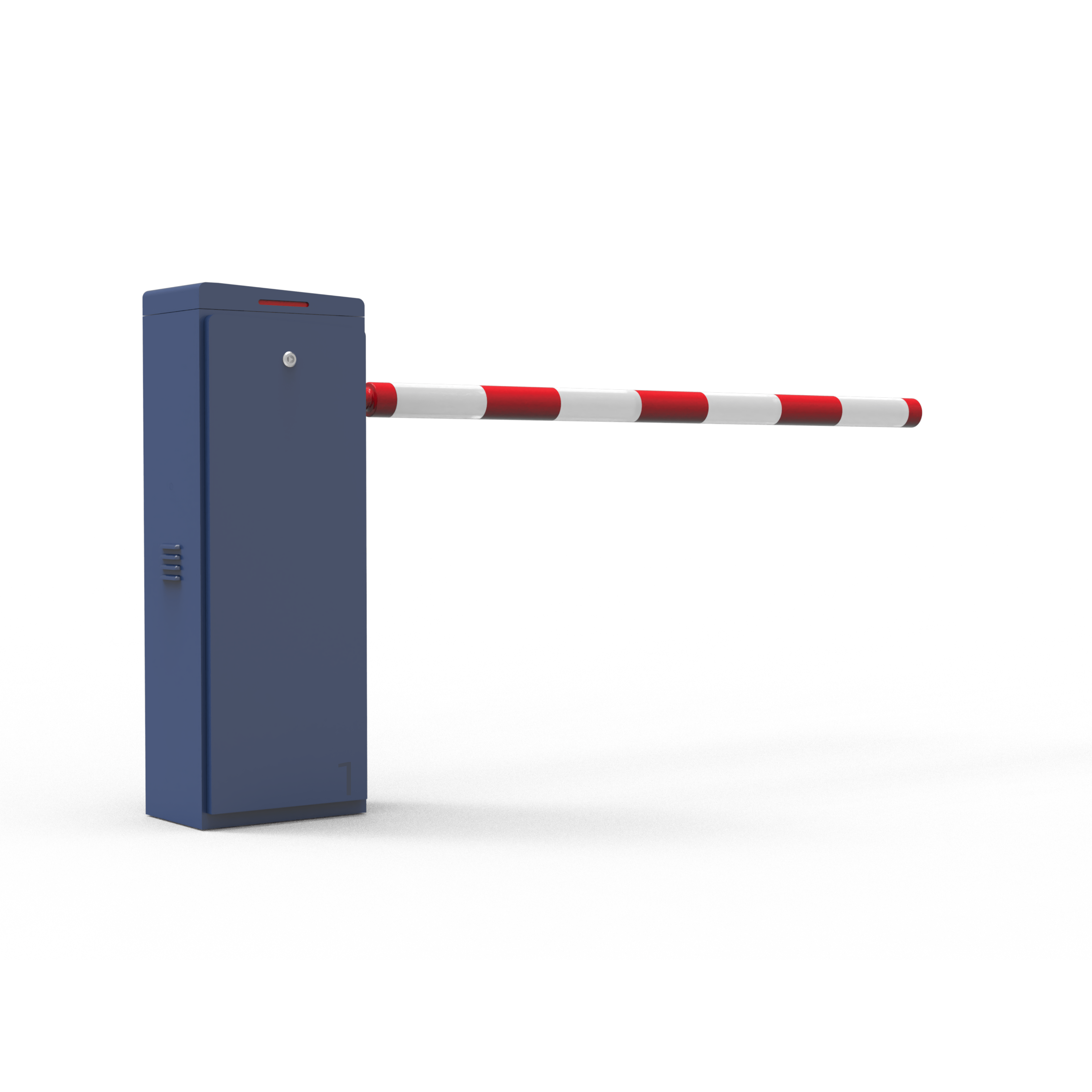
Choosing a parking barrier for a high-traffic entrance is about more than finding a gate that opens quickly. The right system must handle frequent vehicle movements, keep queues under control, protect drivers and pedestrians, integrate with access-control equipment, and remain maintainable over years of operation. This guide explains the main selection criteria and how to match a barrier gate to the site traffic pattern, lane geometry and security requirements.
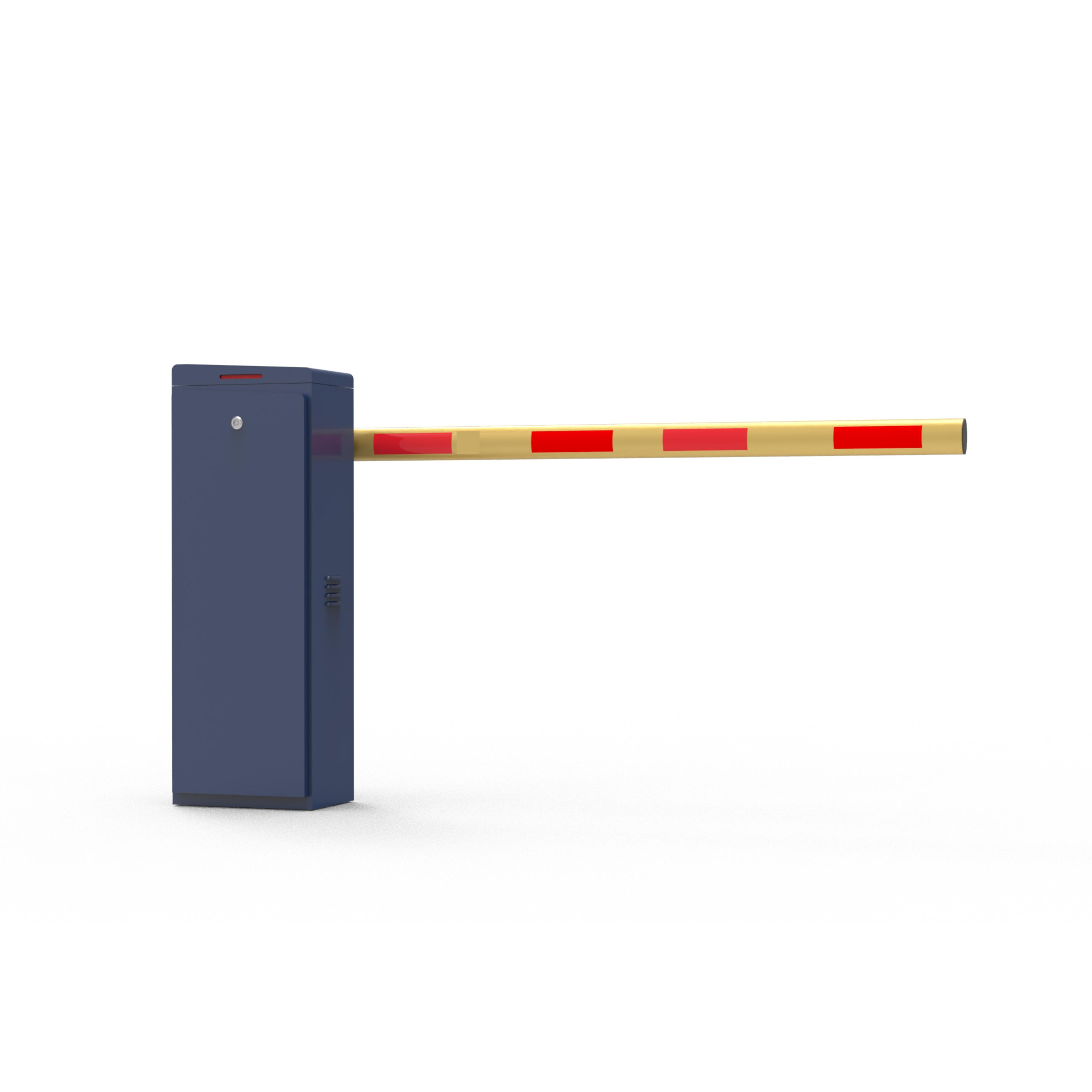
Quick answer: select a parking barrier for high-traffic entrances by measuring peak-hour traffic first, then matching opening speed and duty cycle, boom length and arm style, safety detection, access-control integration, weather protection, maintenance plan and total cost of ownership to the verified site requirements.
Start by measuring how many vehicles enter and leave during the busiest 15-minute or 60-minute period, not just the daily total. Note the proportion of cars, vans, buses and heavy vehicles, the average headway between vehicles, and whether traffic arrives in bursts; for example, at office shift changes, shopping-centre opening times or warehouse dispatch windows. These details help determine the required operating speed, number of lanes and access-control workflow.
Do not use the barrier opening time as the only measure of throughput. A complete vehicle transaction may also include license-plate recognition, credential validation, payment, driver response and the time needed for the vehicle to clear the safety zone. A fast arm paired with a slow payment terminal or poorly positioned camera can still create a queue.
For busy car parks, toll lanes, logistics centres and commercial entrances, compare the full opening-and-closing cycle, the available speed settings and the manufacturer stated duty-cycle rating. A high-speed barrier can reduce waiting time, but it must also be compatible with the boom length, local safety requirements and the site actual traffic rhythm. Ask the supplier to clarify how cycle time is measured and which boom configuration the quoted figure applies to.
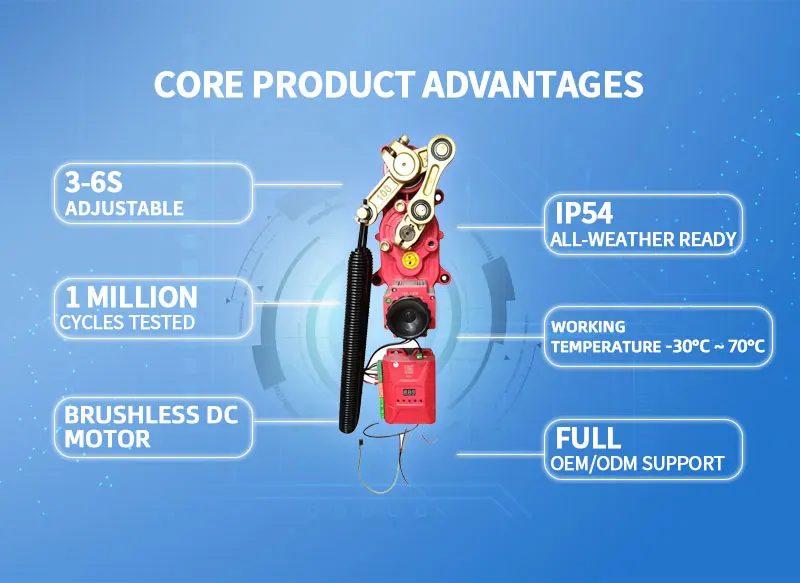
Duty cycle matters because a barrier that performs well during occasional use may not be suitable for continuous operation. Ask for the rated cycles per hour or day, the motor type, the expected service life under the intended workload, and the recommended maintenance interval. Confirm whether the rating applies to the exact model being quoted rather than to a broader product family.
Measure the clear lane width and identify obstacles such as kerbs, columns, ticket machines, guard booths and pedestrian walkways. Select a boom arm that covers the vehicle lane without striking surrounding structures. The arm length must be compatible with the selected barrier mechanism; longer arms may require a different spring balance, motor configuration or operating speed.
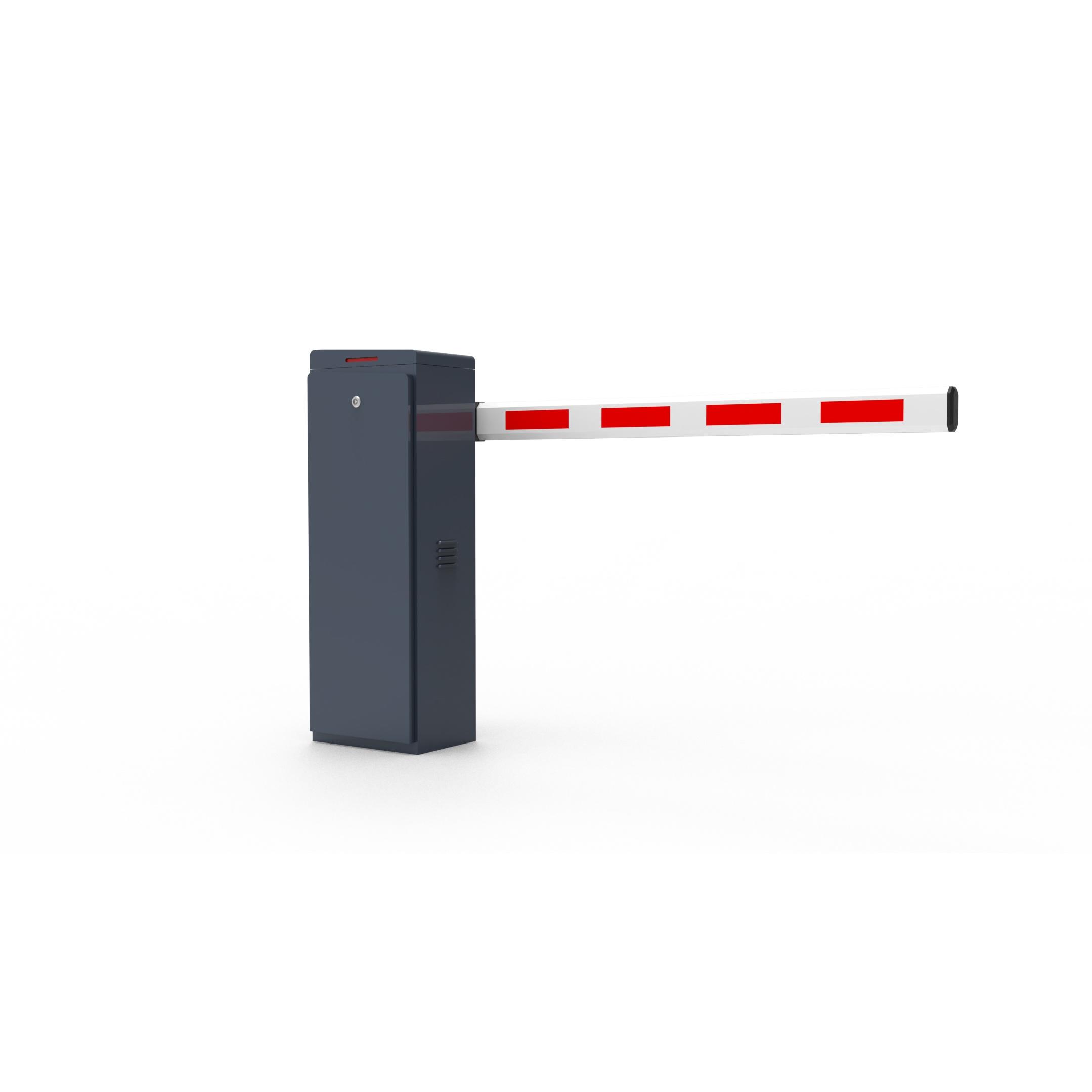
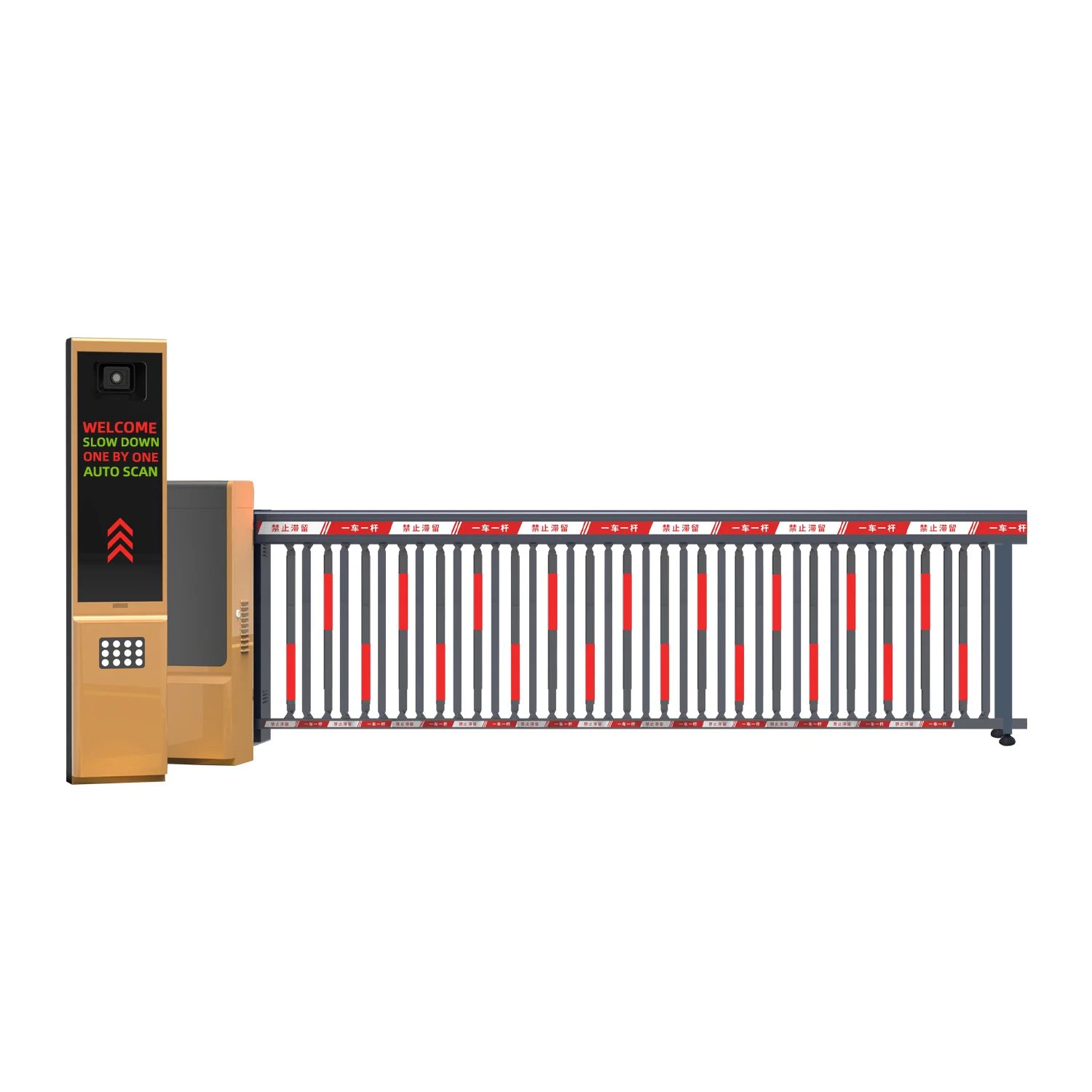
A straight arm is a common option for open-air parking lanes with sufficient vertical clearance. A folding arm may suit entrances with low ceilings or underground car parks, provided the folding geometry is suitable for the site. Telescopic or adjustable arms can help accommodate different lane widths, while fence-style arms may provide a more visible physical boundary where the application calls for it. Confirm the available configurations with the manufacturer.
If trucks, buses or other tall vehicles use the entrance, check the raised-arm clearance and turning path. For restricted-height sites, verify the full movement envelope on a drawing or during a site survey before ordering.
A high-traffic barrier should be selected as part of a safety system, not as an isolated mechanical arm. Evaluate vehicle loop detectors, photoelectric sensors, radar or other presence-detection devices, anti-crush logic and automatic-reversal behaviour. Confirm which safety devices are included, which are optional, and how the system behaves if a sensor or communication link fails.
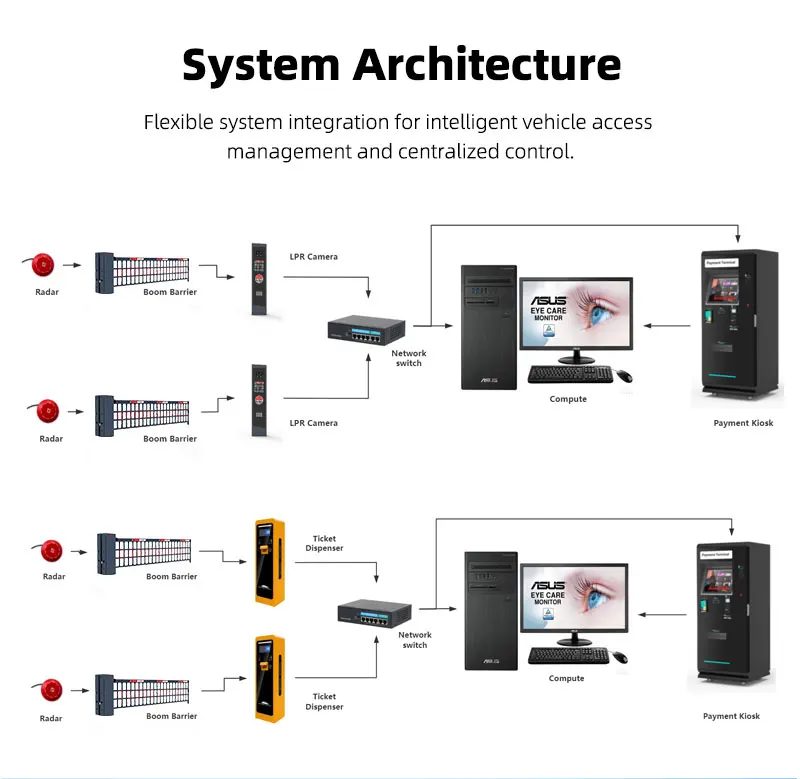
Sensor placement and commissioning are just as important as the hardware. The installer should test motorcycles, cars, tailgating scenarios, stopped vehicles and pedestrians near the lane, following the applicable local standards and the manufacturer instructions. Never rely on an anti-crush feature alone as a substitute for proper traffic design, signage, safe stopping distances and supervised commissioning.
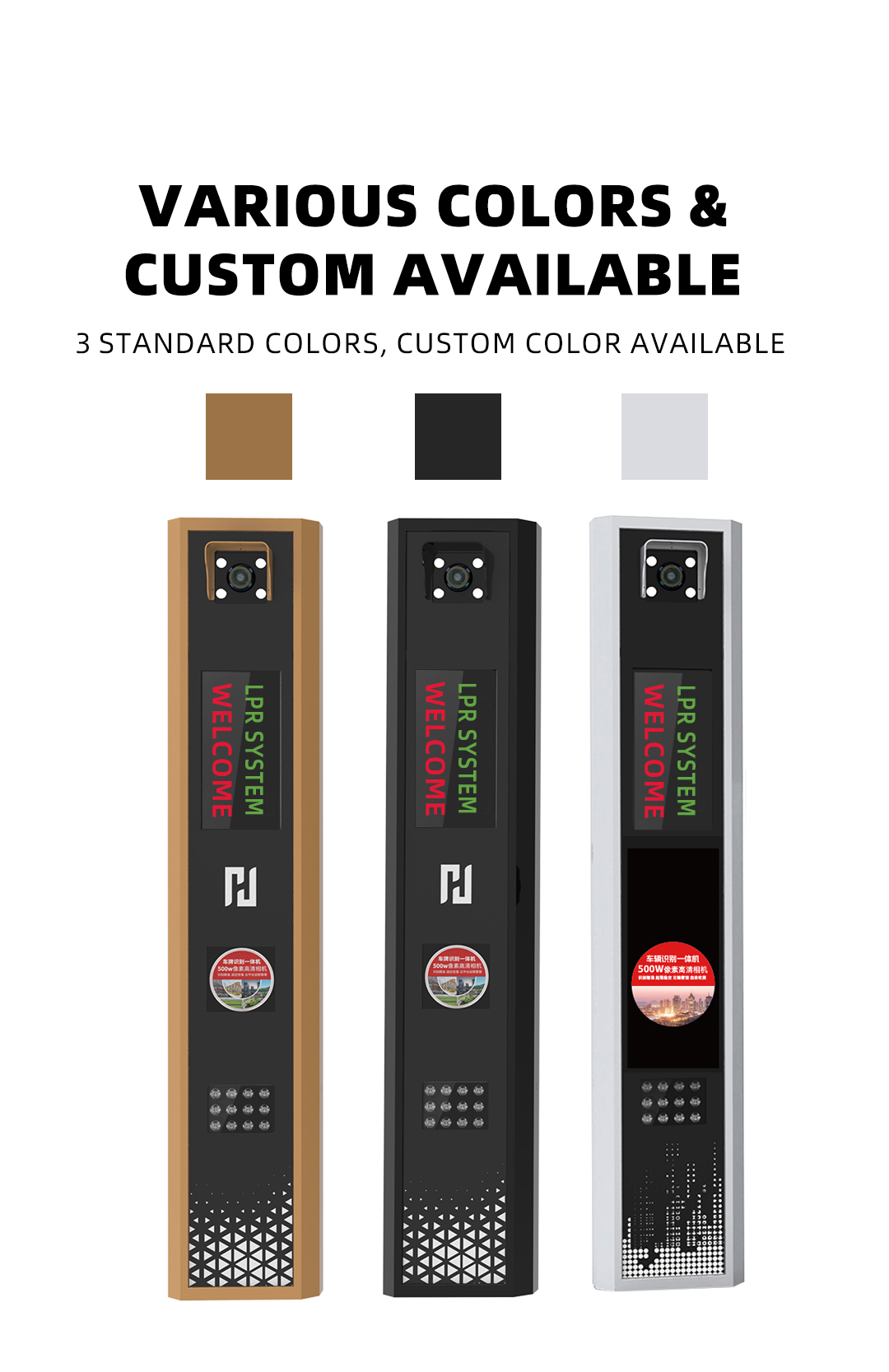
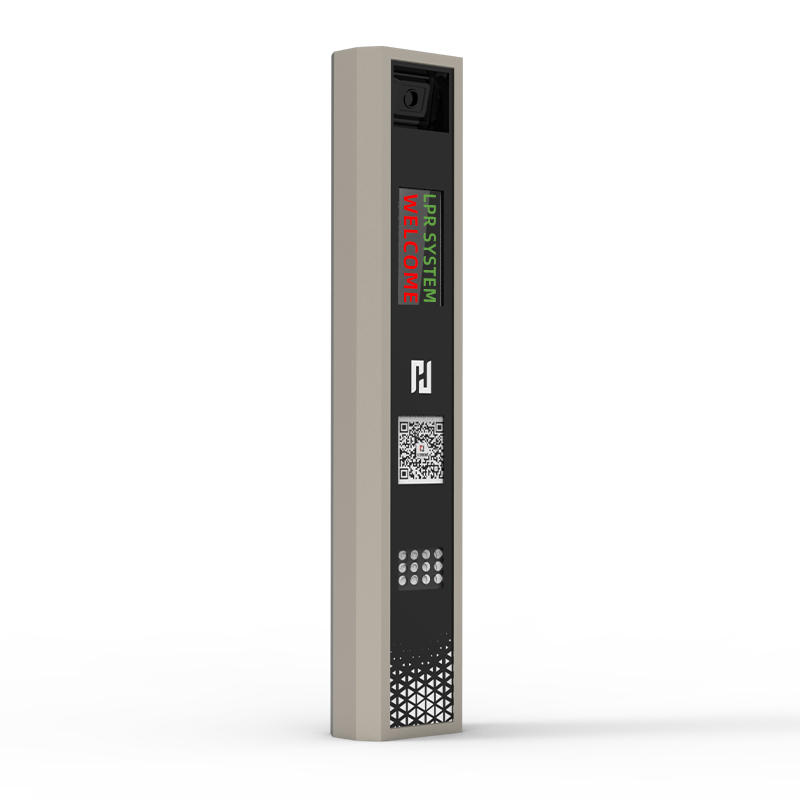
The best high-traffic parking barrier is one that fits the site access-control workflow. Depending on the project, the barrier may need to connect with automatic number plate recognition (ANPR/LPR), RFID cards or long-range tags, QR codes, ticket dispensers, payment terminals, intercoms or a central parking-management platform. Before purchase, request the interface list, wiring diagram and integration requirements.
Confirm supported protocols and interfaces for the exact model. TCP/IP, Wiegand or RS-485 may be relevant in some configurations, but availability varies by controller and product version. Ask who is responsible for integration, configuration, testing and after-sales support when third-party software or devices are involved.
Outdoor entrances expose equipment to rain, dust, sunlight, temperature changes and sometimes salt-laden coastal air. Check the enclosure ingress-protection rating, corrosion-resistant finish, operating temperature range and the installation requirements for drainage, foundations and cable routing. Select a rating appropriate to the actual environment rather than assuming every model in a product family has the same protection level.
For exposed or corrosive sites, ask the supplier to state the exact IP rating and any relevant corrosion-test information for the quoted model. Also check the availability of sunshades, cabinet heaters, suitable fasteners and replacement parts where the climate or site layout requires them.
Purchase price is only one part of the cost. Compare expected maintenance frequency, availability of replacement motors and control boards, remote troubleshooting, warranty terms, technician response times and the effort required to restore a lane after a fault. In a busy facility, even a short outage can lead to queues, manual traffic control and lost parking revenue.
Ask for a maintenance schedule and a clear list of wear parts. Modular components can simplify replacement, but serviceability should be confirmed for the actual model and local support arrangement. Calculate total cost over the expected service period, including installation, integration, inspections, spare parts, downtime and energy use, not only the initial equipment quote.
A single lane may be sufficient for a small entrance with predictable traffic, while a large site may need separate entry and exit lanes, visitor and staff lanes, or dedicated truck access. Separate lanes can improve flow when traffic types or authorization steps differ, but they also increase installation and maintenance requirements. Use a site plan to check queue storage, turning radii, sightlines, pedestrian crossings and emergency access.
If queues can extend onto a public road, design the approach and waiting area carefully and coordinate with the relevant site and traffic authorities. A faster barrier alone cannot solve insufficient queue storage or a poorly designed entrance.
Before requesting a quotation, prepare the following information so suppliers can recommend a suitable model instead of making assumptions.
| Selection input | What to document |
|---|---|
| Traffic demand | Peak-hour vehicles per hour and expected daily cycles. |
| Lane geometry | Clear lane width, required boom length and vertical clearance. |
| Vehicle mix | Cars, vans, buses, trucks or motorcycles that use the entrance. |
| Performance target | Required opening time and acceptable queue length. |
| Access method | ANPR/LPR, RFID, QR, ticket, payment or manual control. |
| Safety and compliance | Safety devices and local compliance requirements. |
| Environment | Indoor or outdoor location, weather exposure and power supply. |
| Integration | Required interfaces, software platform and third-party equipment. |
| Support | Warranty, spare parts, maintenance response and commissioning scope. |
| Plan | Budget, installation deadline and future expansion plans. |
A high-speed barrier may be appropriate where vehicles arrive continuously and rapid processing is essential. A heavy-duty model may be preferable where the entrance operates for long hours or handles demanding vehicle traffic. A folding arm may be suitable for a low-clearance garage, while an ANPR- or RFID-integrated system can reduce manual interaction at a controlled-access site. The final choice should be based on verified specifications, a site survey and a clear understanding of the complete access-control process.
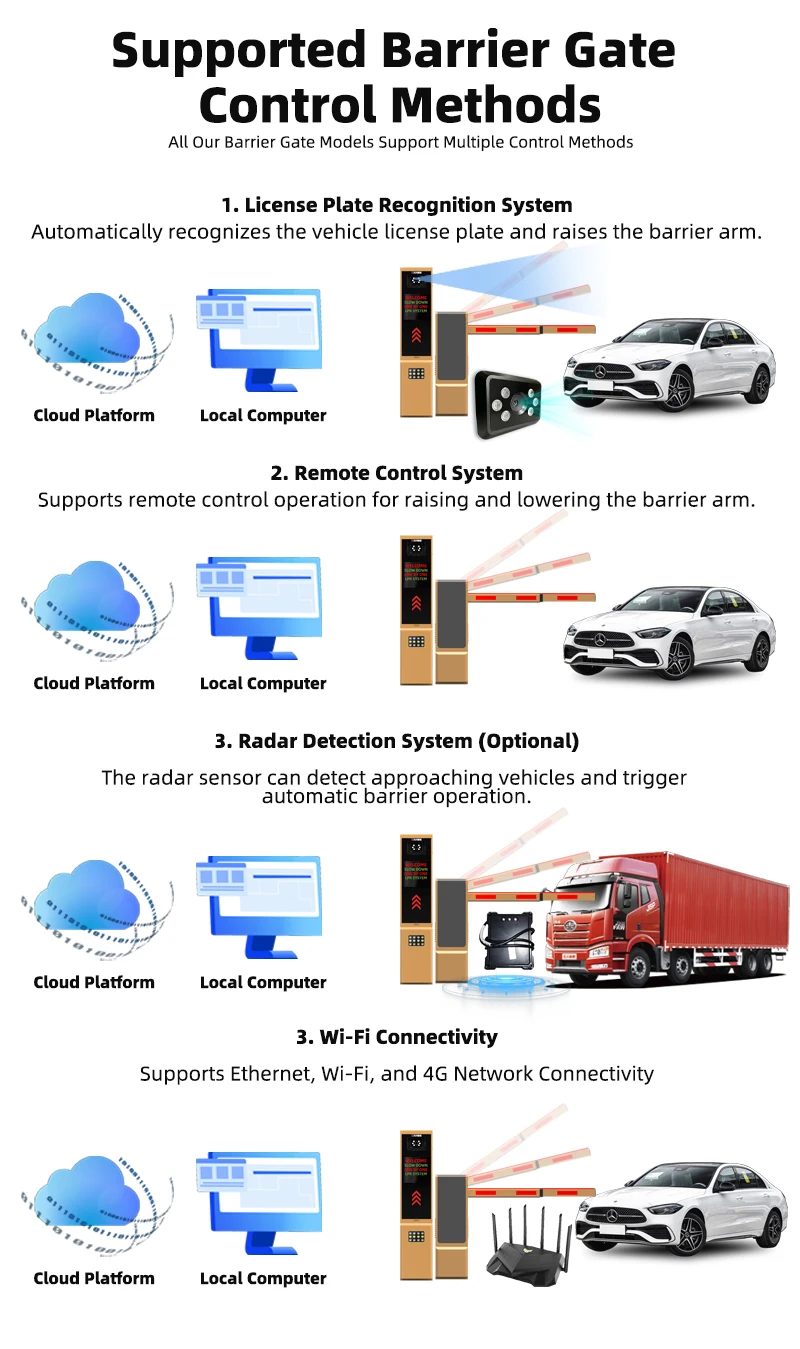
There is no single feature that suits every site. Opening speed, duty cycle, boom length, safety detection, access-control integration and maintainability should be evaluated together against the site peak traffic and operating conditions. Confirm the rated performance for the exact model and configuration.
No. High speed can improve flow, but the barrier must be suitable for the boom length, safety arrangement, traffic pattern and applicable local requirements. A poorly matched fast barrier may not improve real-world throughput and can complicate commissioning and safety testing.
Integration is useful when the site needs automated identification and authorization. ANPR/LPR can identify vehicle plates, while RFID can support credential-based access. The right option depends on user types, recognition conditions, privacy requirements, software compatibility and the site operating process.
Estimate the number of vehicle movements and barrier operations during both normal and peak periods, then discuss the workload with the manufacturer. Confirm how the supplier defines a cycle and request the rating for the exact model and arm configuration.
Provide lane dimensions, traffic volumes, vehicle types, desired opening time, access-control method, environmental conditions, safety requirements, power supply, integration needs and maintenance expectations. Photos, a site plan and a short video of peak-hour traffic can help the supplier assess the application.
Baroxon designs and manufactures automatic boom barriers, parking barrier gates, LPR/ANPR license plate systems, RFID access equipment, radar safety sensors and related parking access-control products. For related background, see the other technical guides in this section.
Selecting a parking barrier for a high-traffic entrance requires balancing throughput, safety, durability, integration and lifecycle cost. Define the traffic demand first, confirm the site geometry, specify the safety devices and access-control interfaces, and compare verified model-level specifications. With a properly surveyed site and a clearly defined operating process, facility managers can select a barrier system that supports reliable vehicle flow without compromising safety.
To plan a configuration, explore the BAROXON boom barrier and parking system products, the high-speed barrier gates, the RFID boom barrier solutions, the ALPR/LPR parking barrier solutions and the smart boom barrier gate solutions. For project-specific help, contact BAROXON with your lane width, peak-hour traffic, boom length and access-control requirements.