English
 Bahasa Indonesia
 Bahasa Melayu


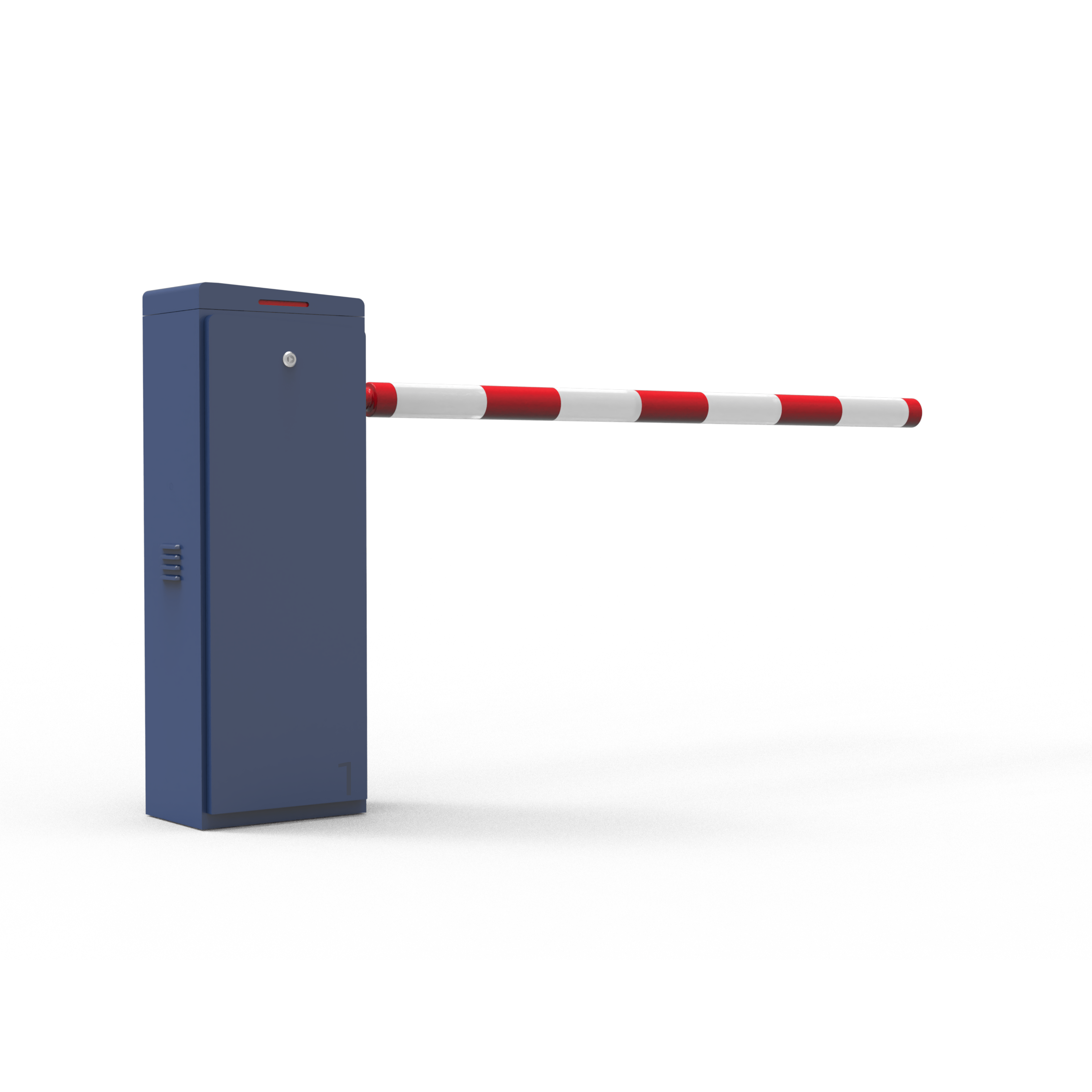
Choosing a heavy-duty parking barrier is not simply a matter of selecting a strong cabinet or a long boom arm. For commercial car parks, logistics centres, factories, residential communities and transport hubs, the right automatic parking barrier must match traffic volume, operating frequency, lane geometry, safety requirements, local weather and the site access-control system. This guide explains the main factors to check before purchase so that procurement teams can compare suppliers on an equivalent basis.
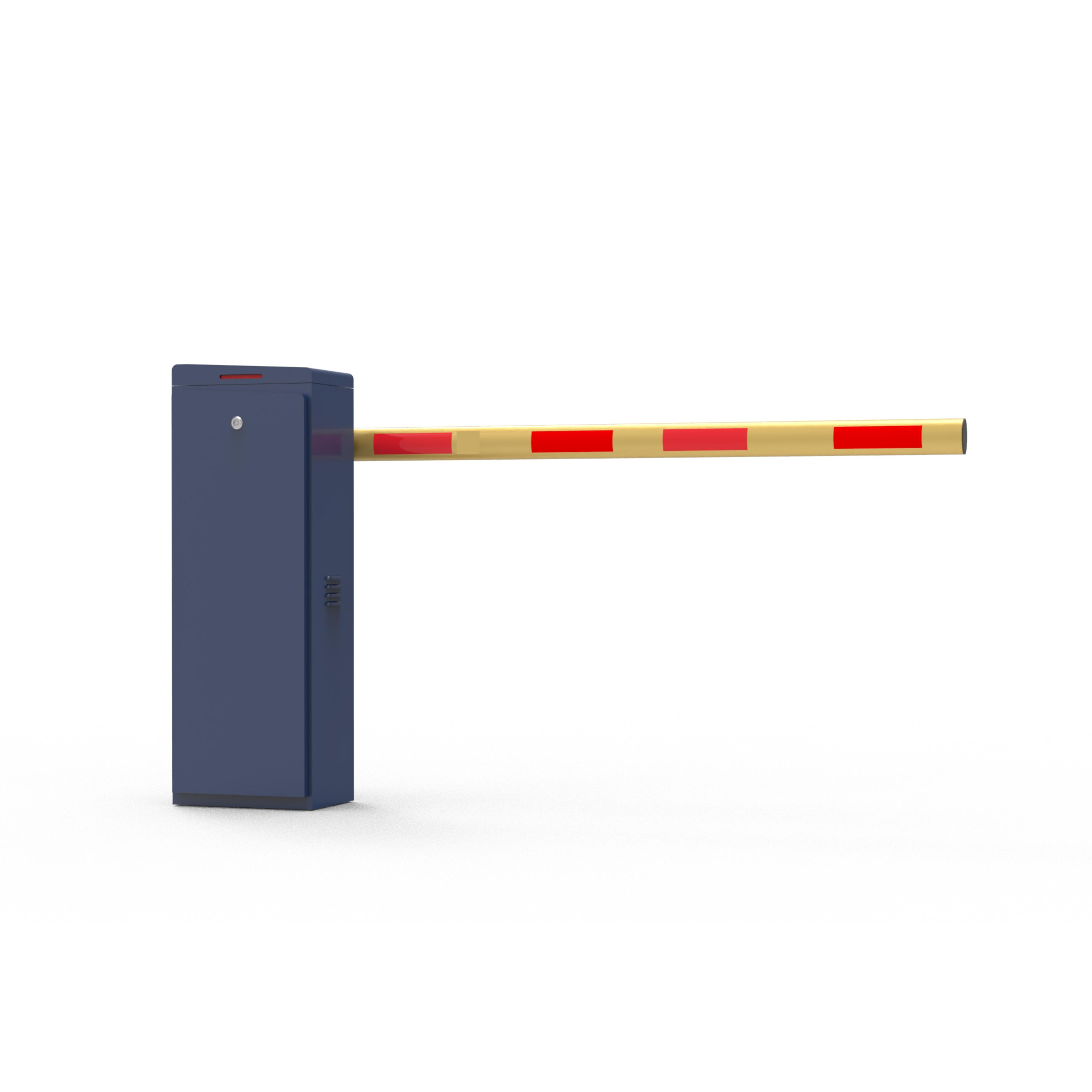
Quick answer: buy a heavy-duty parking barrier by matching the duty cycle and daily cycles to your real traffic, then confirm the motor and drive design, boom length and arm type, opening speed, safety sensors, weather protection, access-control integration, total cost of ownership and after-sales support. Compare written specifications, not only the headline price.
The first buying consideration is how often the barrier will operate. A small residential entrance may open only a few hundred times per day, while a busy commercial car park, distribution centre or toll lane may require repeated operation throughout the day. Ask the supplier to specify the rated duty cycle, recommended daily cycles and endurance-test conditions, not just the maximum opening speed.
For example, a published heavy-duty brushless barrier product description may cite a 100 percent duty-cycle configuration and up to 5,000 cycles per day for the specified model. Treat these as model-specific published figures, not as universal ratings for every barrier. Confirm the exact model, boom length, environmental conditions, warranty and test documentation in your quotation.
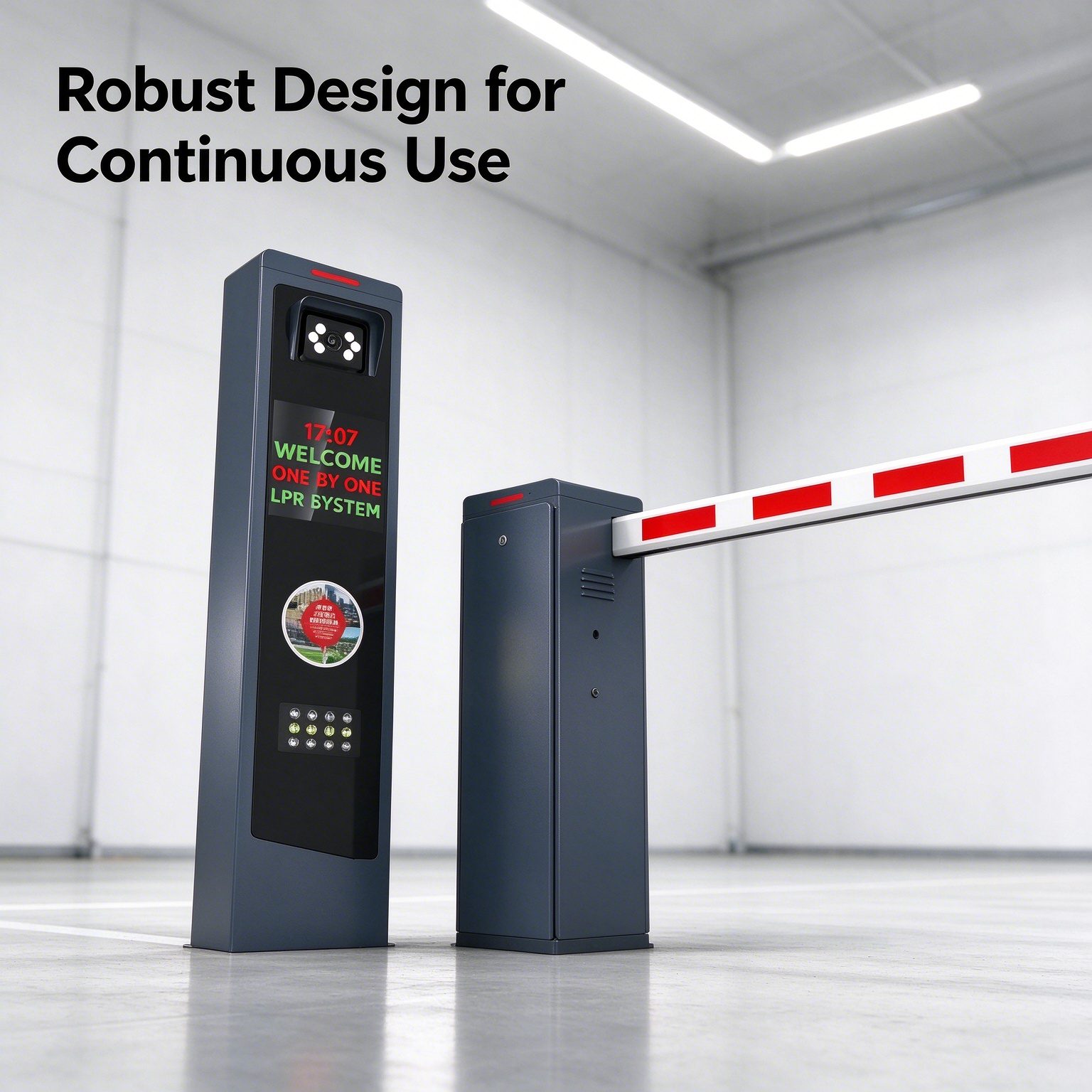
The motor and drive mechanism influence operating consistency, noise, maintenance needs and lifecycle cost. For high-frequency entrances, a DC brushless motor may be worth evaluating because brushless designs avoid the routine brush replacement associated with brushed motors. However, buyers should compare complete specifications, including torque control, thermal management, controller quality, spare-part availability and service support, rather than assuming that one motor type is always best.
Ask whether the supplier offers adjustable acceleration and deceleration, stable boom positioning, overload protection and clear troubleshooting procedures. For a heavy-duty installation, modular components and accessible service points can reduce downtime when maintenance is required.
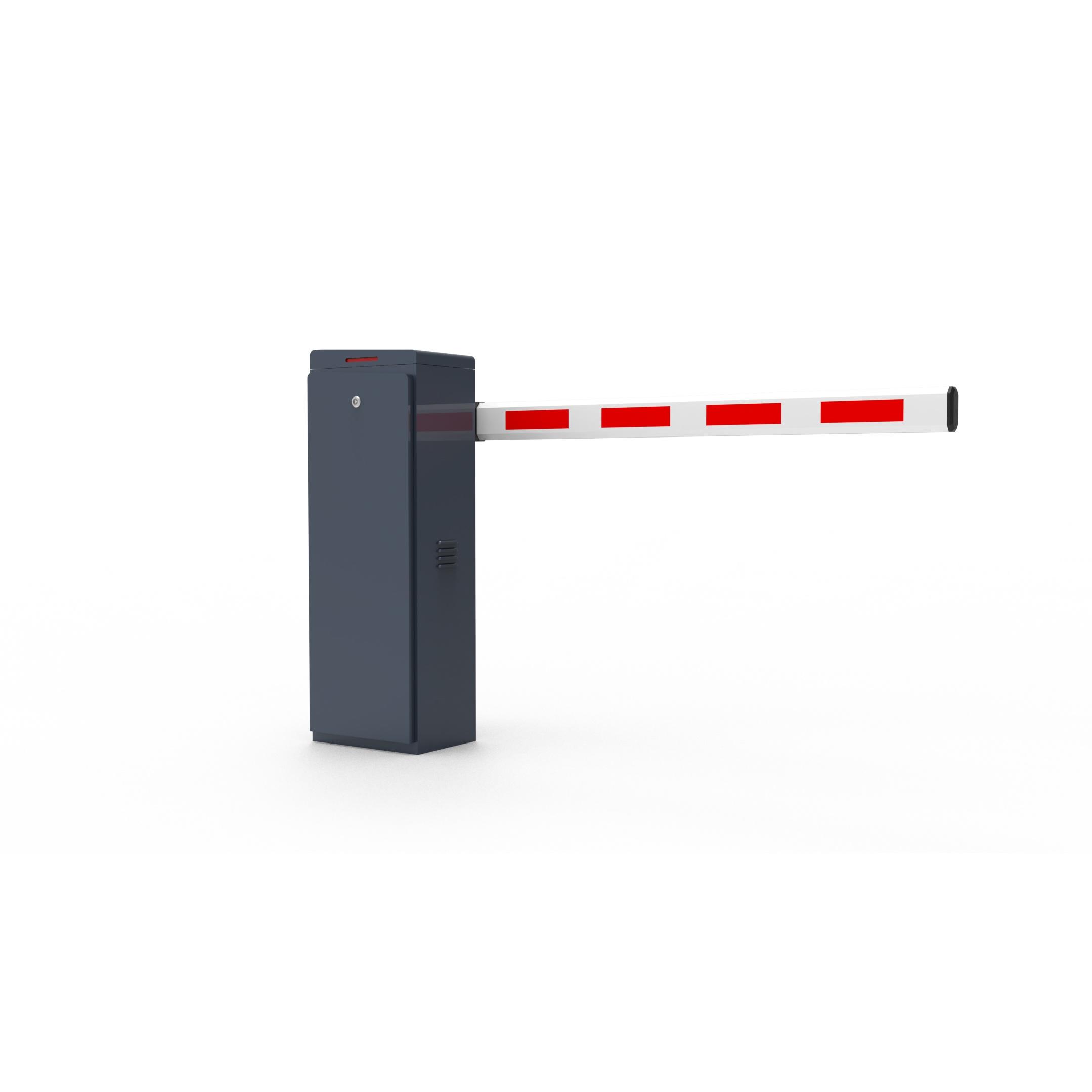
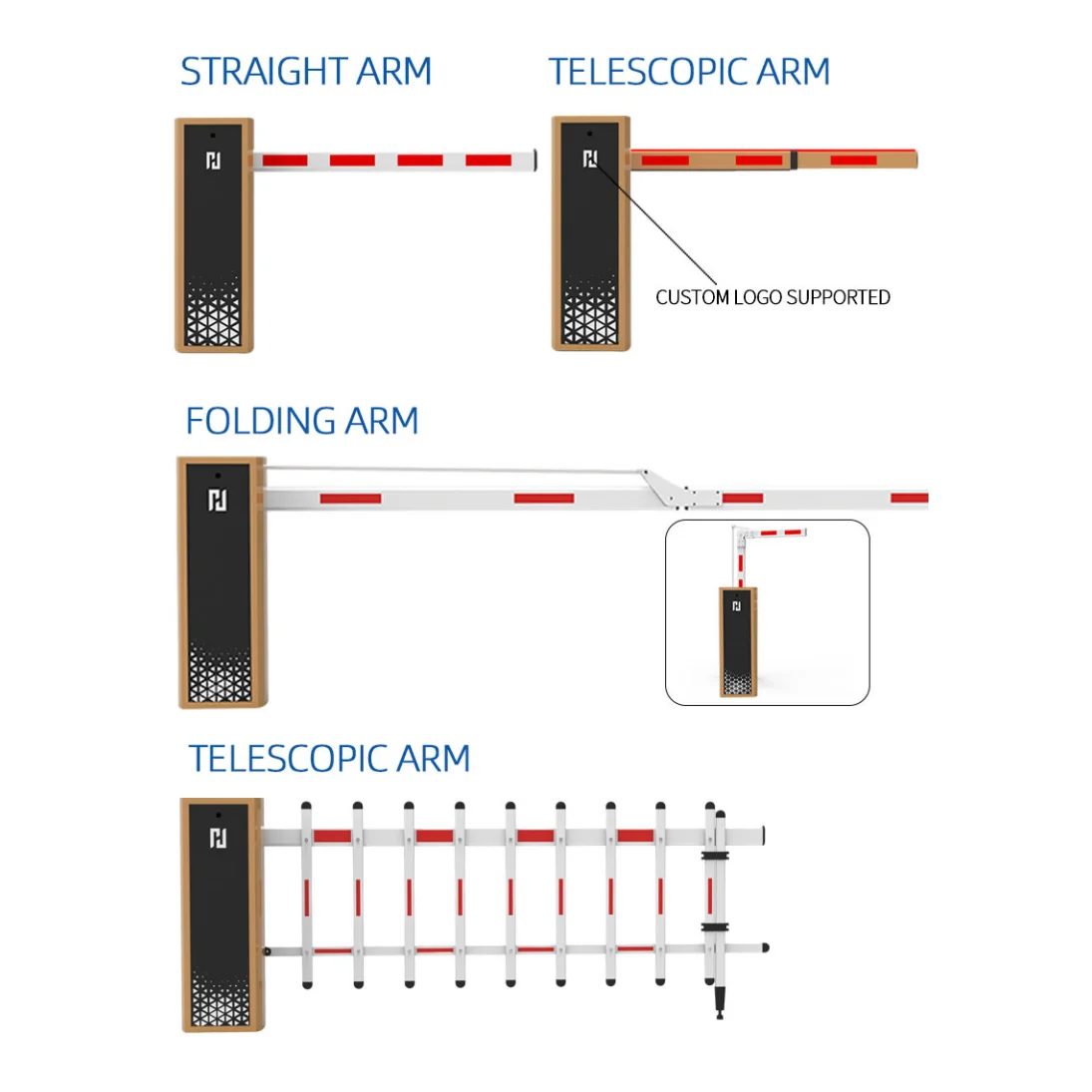
Measure the clear lane width and identify any physical restrictions before choosing the boom. A straight arm is often suitable for open driveways and standard vehicle lanes. A folding or articulated arm may be more appropriate where a low ceiling, underground garage or steep ramp limits vertical clearance. A fence-style boom can provide a more visually closed boundary where pedestrian deterrence or perimeter control is important, subject to the site safety assessment.
Do not select the longest arm based on lane width alone. Confirm the manufacturer supported arm range, arm material, wind exposure, balancing requirements, mounting position and the effect of the chosen arm on opening time. Longer or heavier arms can change the mechanical load and operating profile.
Fast opening times can help reduce queues, but the fastest setting is not automatically the best choice for every site. Consider peak-hour arrival rates, vehicle spacing, boom length, pedestrian activity and the time required for a vehicle to clear the lane. The operating speed should be selected alongside the safety sensors and control logic.
Ask the supplier for the opening and closing time range for the exact configuration, and clarify how the timing changes with different arm lengths. If the site includes pedestrians, bicycles, buses or heavy vehicles, test the complete access sequence under realistic conditions before handover.
A heavy-duty parking barrier must be part of a safe vehicle-access system, not simply a physical arm across the road. Depending on the site design, protection may include vehicle loop detectors, radar sensors, photoelectric beams, anti-crash rebound logic, warning lights and audible alerts. These devices have different detection characteristics, so the correct combination depends on lane layout, vehicle types, pedestrian routes and local regulations.
Confirm which safety devices are included as standard and which are optional accessories. Ask how the barrier behaves when a vehicle remains under the arm, a sensor is obstructed, communication is lost or the power supply fails. The installer should test sensor placement and control logic on site, and document the emergency and manual-release procedure.
Outdoor barriers face rain, dust, sunlight, temperature changes, vibration and possible accidental impacts. Check the enclosure material and coating, ingress-protection rating, operating temperature range, corrosion resistance and suitability for coastal or industrial environments. An IP rating refers to defined ingress-protection tests; it does not by itself guarantee resistance to corrosion, UV exposure, flooding or every outdoor condition.
Request the rating and test documents for the exact model rather than relying on a general statement that the product is weatherproof. For exposed sites, also consider drainage, the foundation, cable glands, surge protection and a maintenance plan for the local climate.
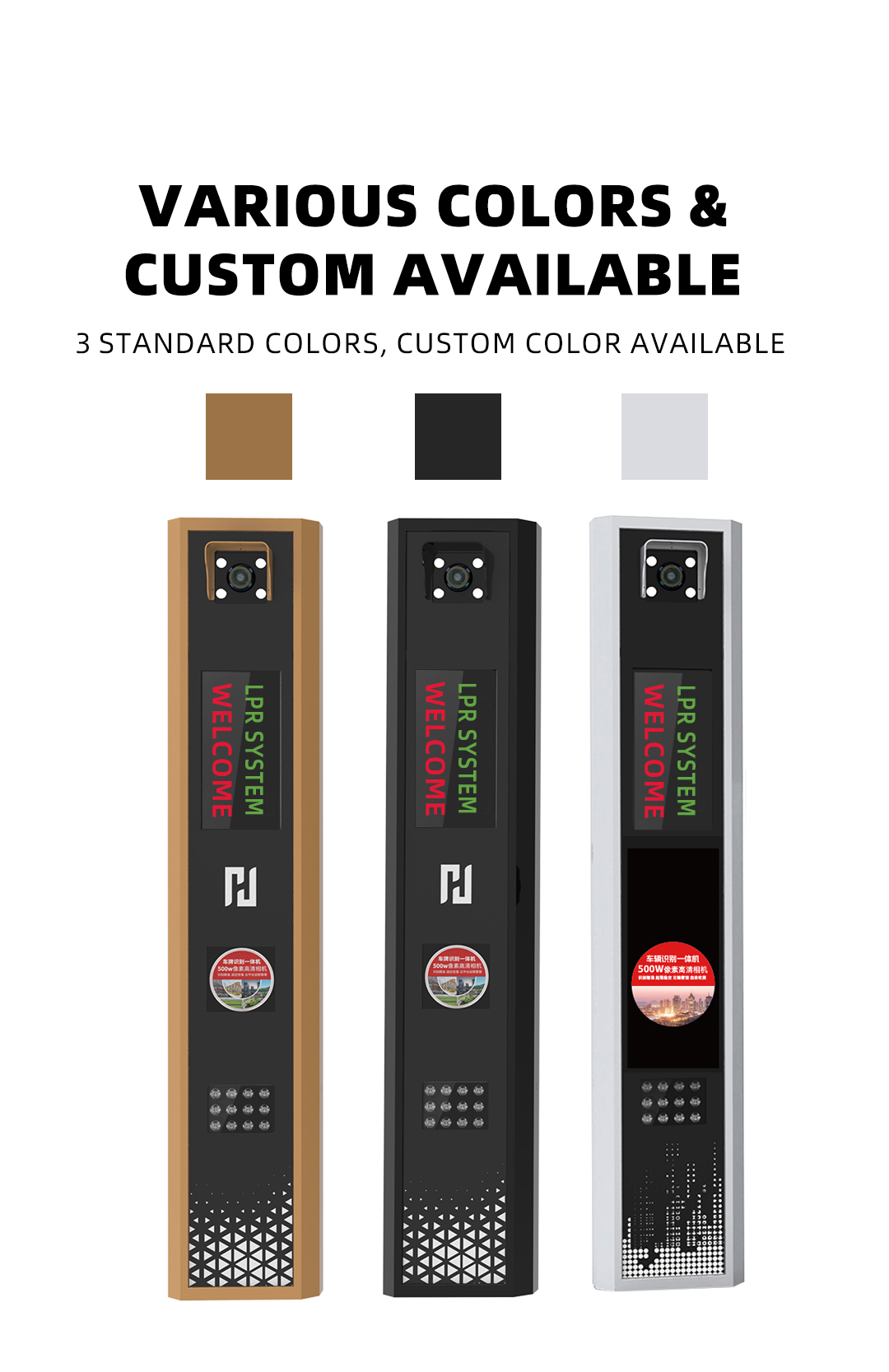
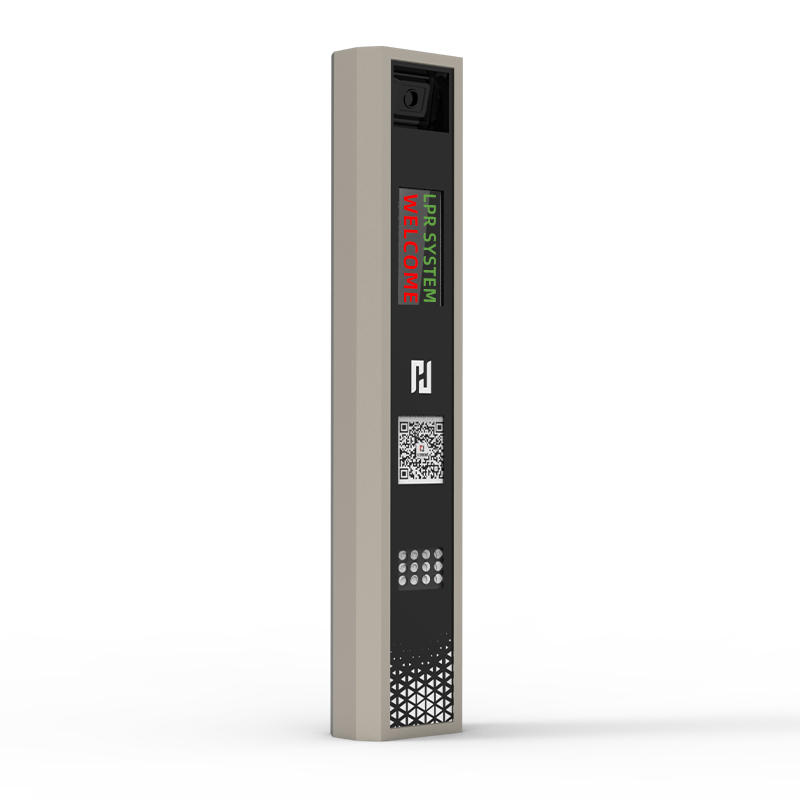
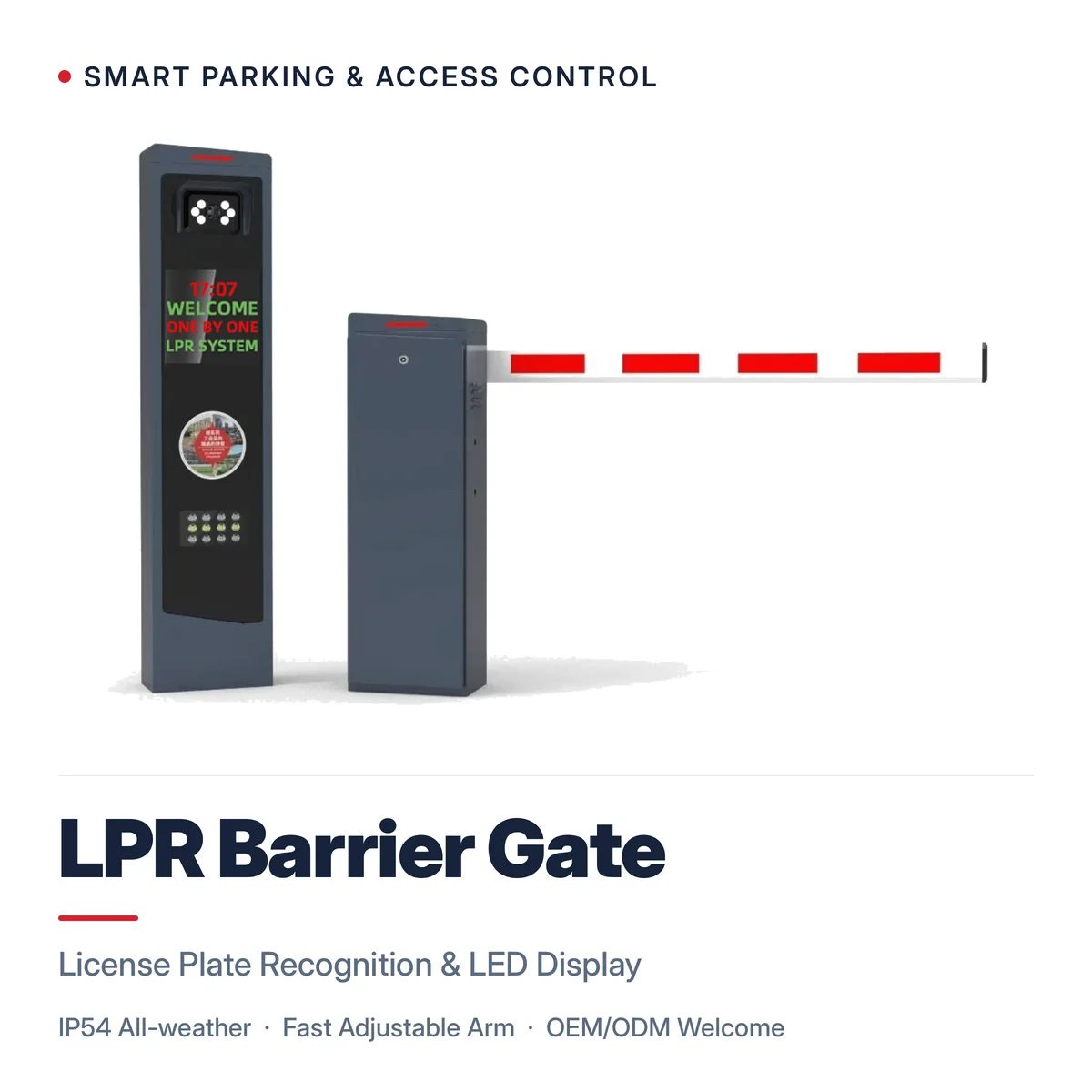
A heavy-duty barrier often works with a wider parking access control system. Depending on the project, access methods may include RFID cards or UHF tags, QR codes, ticket dispensers, remote controls, smartphone credentials and automatic number plate recognition (ANPR/LPR). Choose the methods that fit the site user groups, security policy and traffic pattern.
Before purchasing, confirm the available interfaces and integration responsibilities. Ask whether the controller supports the required inputs and outputs, whether TCP/IP or other communication interfaces are available, and whether the barrier can work with the existing parking software. If third-party integration is required, request the relevant protocol or API documentation and agree who will configure and test the connection.

The lowest initial quotation may not represent the lowest long-term cost. Compare the complete package: barrier cabinet, boom arm, controller, safety devices, access readers, installation, civil works, wiring, commissioning, training, spare parts, warranty and after-sales service. Ask suppliers to identify exclusions clearly so that quotations can be compared on an equivalent basis.
For high-traffic sites, also consider energy consumption, planned maintenance intervals, expected component life, local service availability and the cost of downtime. A slightly higher upfront investment may be justified if the specification is better matched to the actual duty cycle and service conditions, but the decision should be based on documented requirements and comparable quotations.
Even a well-designed barrier can underperform if the foundation, alignment, wiring or commissioning is poor. Confirm the required foundation dimensions, mounting clearances, cable routes, power supply, drainage and vehicle-loop installation details before site work begins. Request installation drawings and a commissioning checklist from the supplier.
Also ask how spare parts are ordered, what remote troubleshooting is available, whether operator training is provided and how warranty claims are handled. For sites that cannot tolerate long interruptions, confirm the availability of replacement controllers, motors and other critical parts, along with a realistic service response process.

Procurement teams should compare written evidence rather than relying only on sales descriptions. Request the datasheet for the exact model, motor and controller specifications, supported boom lengths, duty-cycle rating, opening-time range, ingress-protection rating, safety-device compatibility, installation manual, warranty terms and available test reports or certificates.
Make sure each performance figure has a defined scope. For example, opening time may depend on boom length and configuration; daily cycle ratings may depend on test conditions and maintenance; and an IP rating applies to a specified enclosure or assembly. Ask the manufacturer to identify the exact model and configuration covered by each claim.

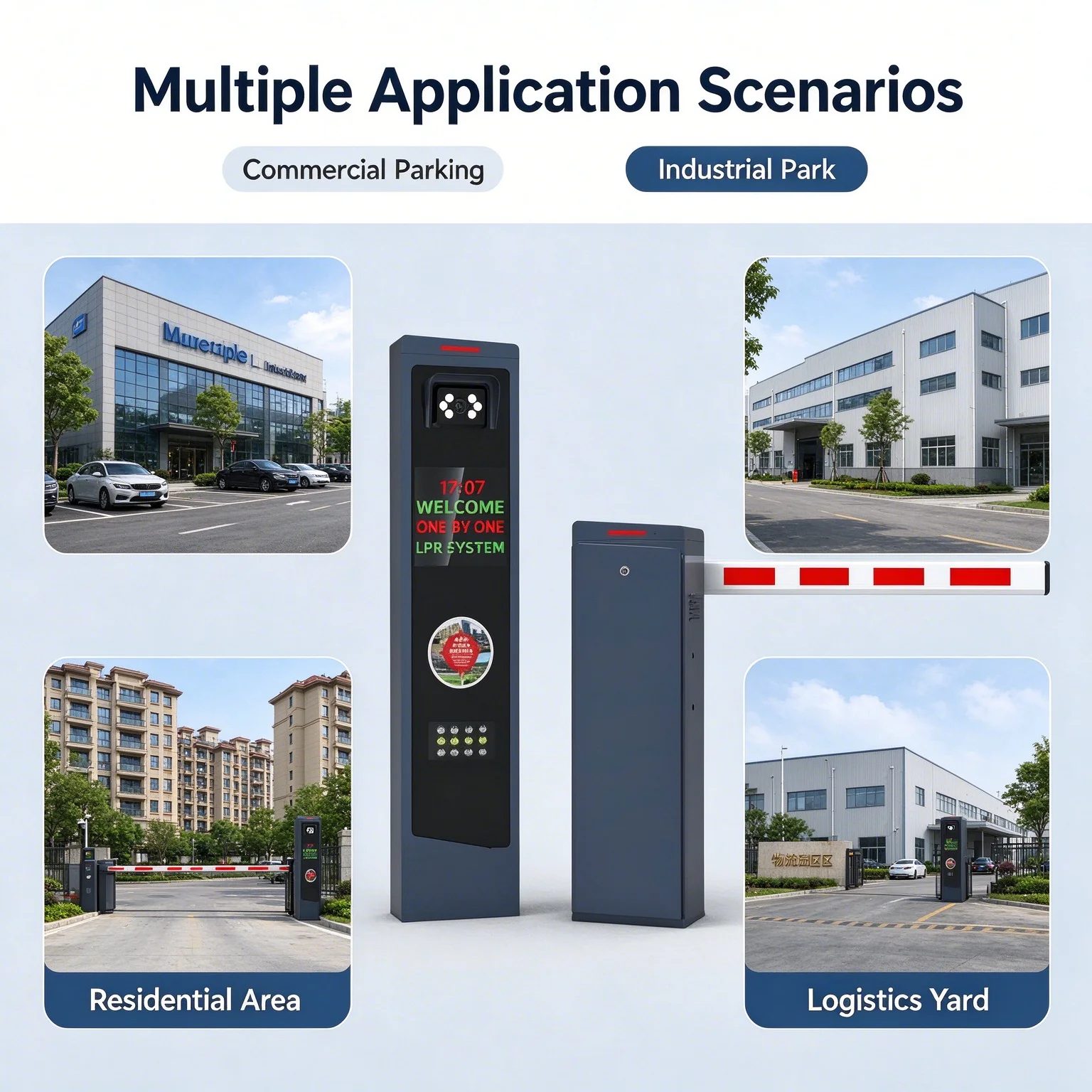
Different sites have different priorities. Commercial car parks may focus on vehicle throughput and integration with payment or ANPR systems. Factories and logistics centres may prioritize frequent operation, truck access and reliable RFID credentials. Residential communities may need resident recognition, visitor management and pedestrian safety. Underground garages may require folding arms because of limited headroom.
BAROXON product range and parking-system information cover barrier gates, high-speed barriers, ANPR/LPR systems, RFID access and related parking equipment. Use the official product pages to shortlist suitable configurations, then confirm the technical details with the supplier for your particular site.

Before approving a purchase, use this checklist to make sure the quotation covers the site real requirements.
| Buying checklist item | What to confirm |
|---|---|
| Traffic and duty | Daily traffic volume and peak-hour demand are documented; duty cycle and recommended daily cycles are confirmed for the exact model. |
| Boom and arm | Boom length, arm type and lane width are measured and matched. |
| Speed and safety | Opening and closing speed is suitable for the selected arm and site; safety sensors and anti-crash logic are defined and tested. |
| Environment | Weather protection and environmental suitability are documented, including ingress-protection rating. |
| Installation | Power supply, foundation, wiring and installation requirements are confirmed. |
| Integration | RFID, QR, ANPR/LPR or other access-control integrations are specified. |
| Support | Warranty, spare parts, maintenance and service response are agreed. |
| Evidence | Datasheets, test documents and applicable certificates are received. |
| Cost scope | All exclusions and project costs are clear in the quotation. |
A heavy-duty parking barrier is designed and specified for demanding operating conditions, such as high traffic frequency, longer operating hours or commercial and industrial use. Buyers should verify the actual duty-cycle rating, cycle count, motor, arm configuration and test conditions for the selected model.
A brushless motor can reduce maintenance associated with replacing motor brushes and may be suitable for frequent operation. The best choice still depends on the full drive design, control system, service support, cost and the site operating requirements.
There is no single ideal opening time for every site. The correct setting depends on traffic flow, arm length, vehicle clearance, pedestrian exposure and the safety system. Confirm the rated range for the exact model and test the configuration on site.
Common options include vehicle loop detectors, radar sensors and photoelectric beams, supported by suitable control logic and warning devices. The correct combination depends on lane geometry, vehicle types, pedestrian movement and applicable local requirements. Have the installer design and test the complete safety arrangement.
Many modern parking barriers can integrate with ANPR/LPR cameras, RFID readers and other access-control equipment. Confirm interface compatibility, software requirements, communication protocols and commissioning responsibilities with the supplier before ordering.
Compare quotations with the same scope: exact barrier model, boom length, motor and controller, safety devices, access-control interfaces, installation, commissioning, warranty, spare parts and service. Ask each supplier to list exclusions and provide supporting specifications.
Baroxon designs and manufactures automatic boom barriers, parking barrier gates, LPR/ANPR license plate systems, radar safety sensors, turnstiles and access control systems. Production is certified to ISO 9001, ISO 14001 and ISO 45001, and the company operates two production bases and two research and development centres covering more than 2,000 m2. For related background, see the other technical guides in this section.
The right heavy-duty parking barrier should be selected around the site traffic demand, duty cycle, arm geometry, safety design, environmental conditions, integration needs and support plan. A clear specification helps procurement teams compare suppliers fairly and reduces the risk of buying a barrier that is too light-duty, too complex or poorly matched to the entrance.
To plan a configuration, explore the BAROXON boom barrier and parking system products, the high-speed barrier gates, the smart boom barrier gate solutions and the technical support resources. For project-specific help, contact BAROXON with your lane width, expected daily cycles, arm type, access-control method and local power requirements.