English
 Bahasa Indonesia
 Bahasa Melayu


A smart parking access control system is a coordinated solution that manages which vehicles can enter or leave a parking facility, when they can pass, and how each access event is recorded. Depending on the site, it may combine a parking barrier gate, license plate recognition (LPR/ANPR), RFID credentials, vehicle-detection sensors, payment equipment, and parking management software.
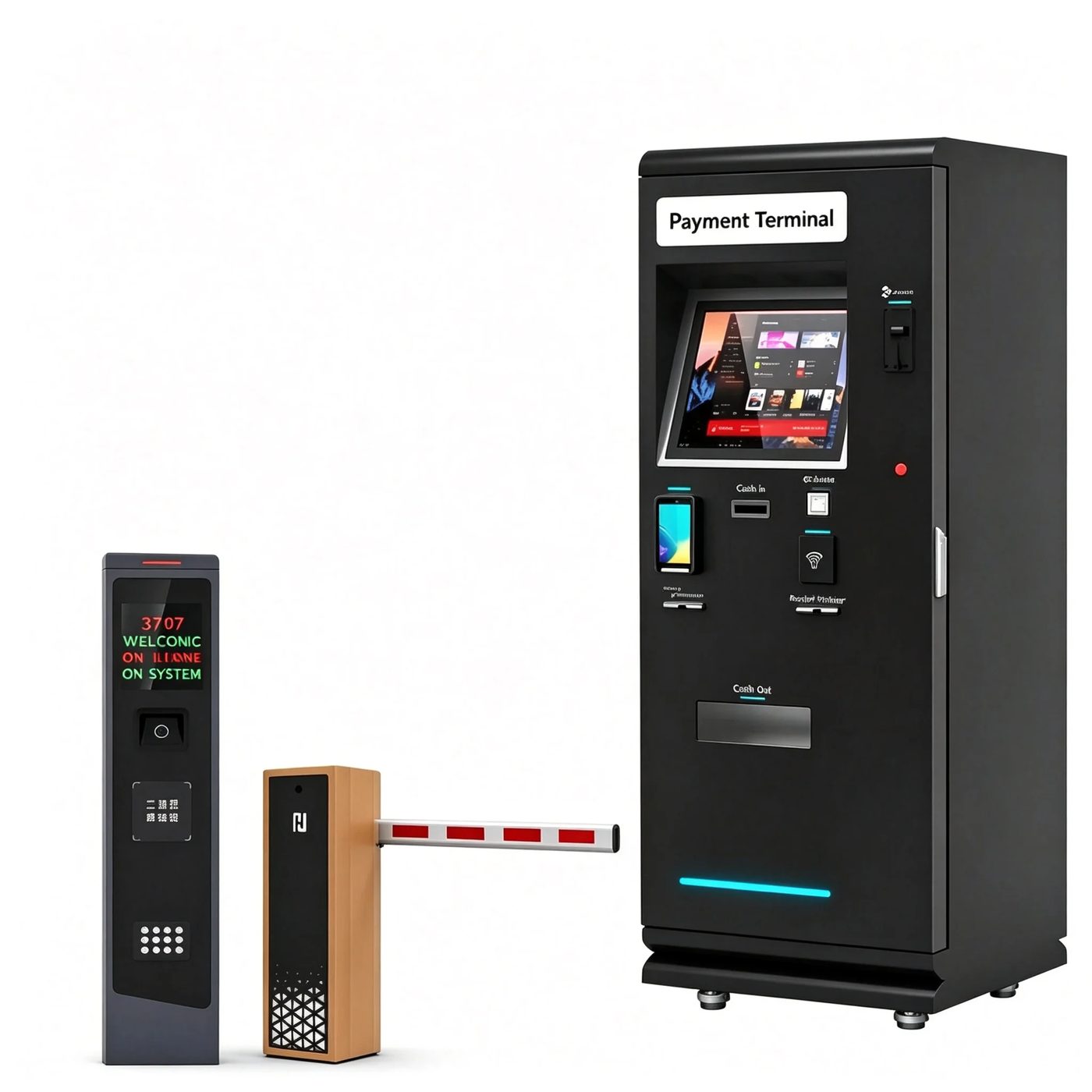
Quick answer: a smart parking access control system connects vehicle identification, access authorization, barrier operation, safety devices, and operational records into one coordinated process. It can combine a barrier gate, LPR/ANPR cameras, RFID readers, sensors, payment equipment, and parking management software, and it is usually managed through a central parking-management platform.
| Topic | Summary |
|---|---|
| What it does | Manages which vehicles may enter or leave, when they may pass, and records each access event |
| Other common names | Parking access control system, smart parking system, automated vehicle access |
| Main parts | Barrier gate, LPR/ANPR camera, RFID reader, controller, sensors, software |
| Access methods | LPR/ANPR, RFID, QR code, PIN, mobile credential, staffed verification |
| Typical sites | Residential, offices, malls, factories, hospitals, campuses, hotels |
| Related systems | Ticketing, payment, parking management software |
Although configurations vary, a typical vehicle entry process follows a sequence: detect the approaching vehicle, identify it or collect its credential, check permission, open the barrier when access is approved, monitor the vehicle passage, and save an event record. Exit procedures may also calculate parking fees or validate a payment, depending on the parking operation.
A vehicle loop detector, radar sensor, photocell, or another compatible detection device helps determine whether a vehicle is approaching or occupying the controlled lane. Detection design should be matched to lane geometry, traffic flow, and safety requirements.
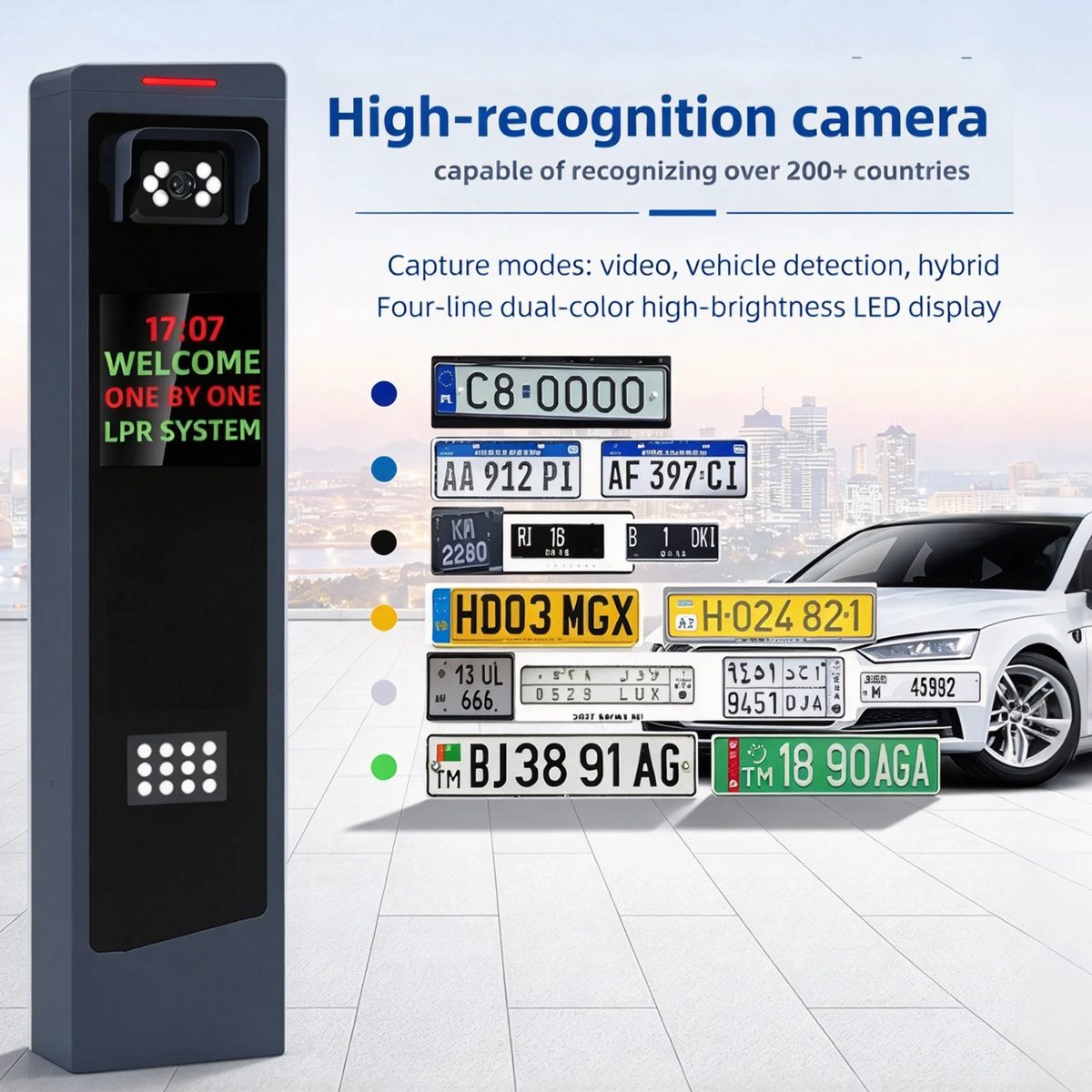
A license plate recognition camera can capture a plate image and convert it into readable characters for comparison with an authorized vehicle list. Alternatively, a driver may present an RFID card or tag, QR code, PIN, mobile credential, or another supported credential. The available methods depend on the system configuration.
The controller or parking software checks the captured plate or credential against the relevant access rules. These rules may include registered residents, employees, approved visitors, time windows, subscription status, or payment status. Integrators should confirm where authorization data is stored and how it is synchronized.
When access is approved, the controller signals the barrier gate to open. Vehicle-detection and safety devices help reduce the risk of the arm closing while a vehicle is passing. The precise safety functions depend on the selected barrier model and correctly installed accessories; no access-control system should replace safe lane design and operating procedures.
Depending on the software and integrations, the system may record entry and exit times, recognized plates, credential events, operator actions, and payment information. A connected payment solution can support fee calculation and payment validation. Confirm the required reports, retention period, privacy controls, and payment interfaces before selecting a solution.
A complete solution is usually built from several components. Not every site needs every component; the right combination depends on security level, traffic volume, business rules, and budget.
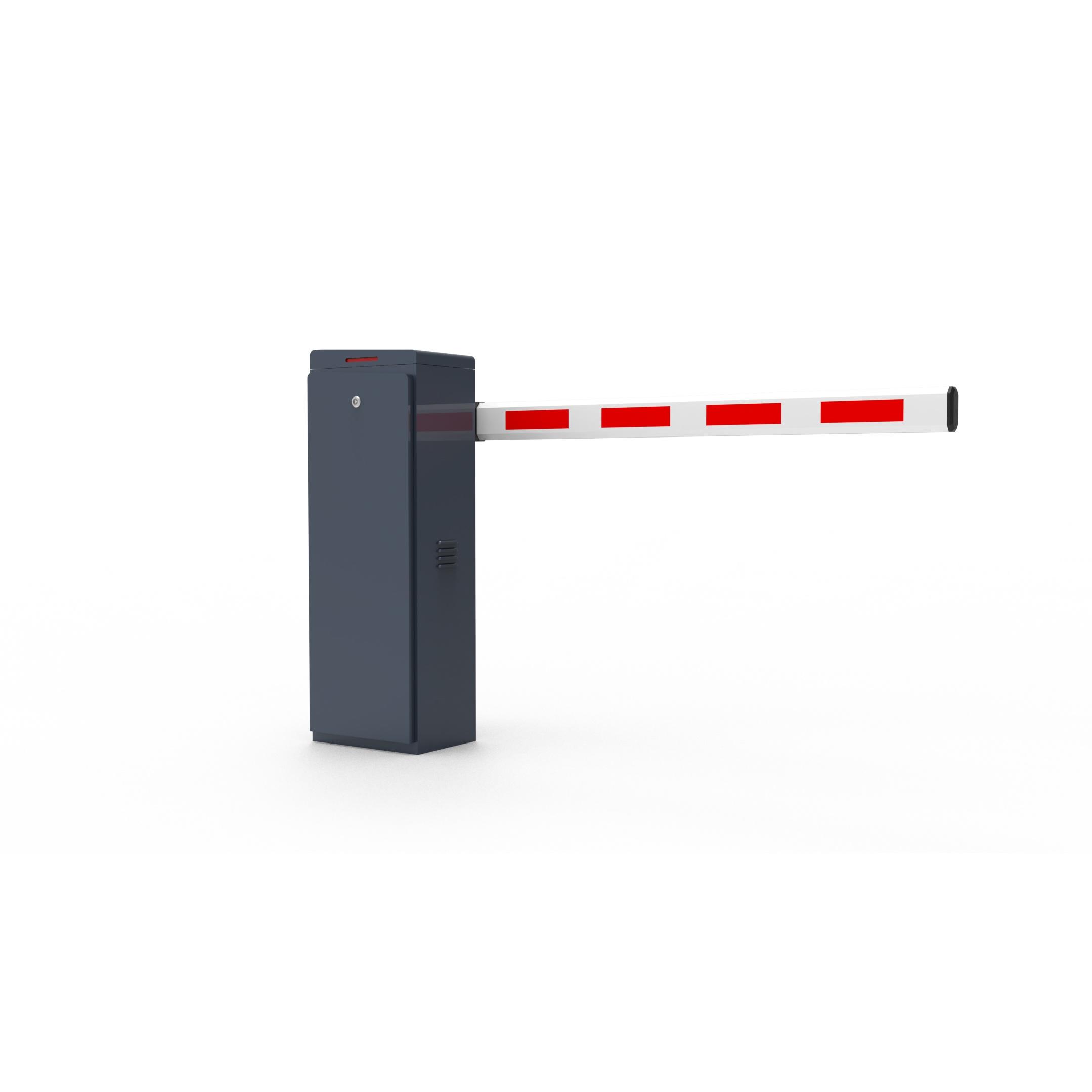
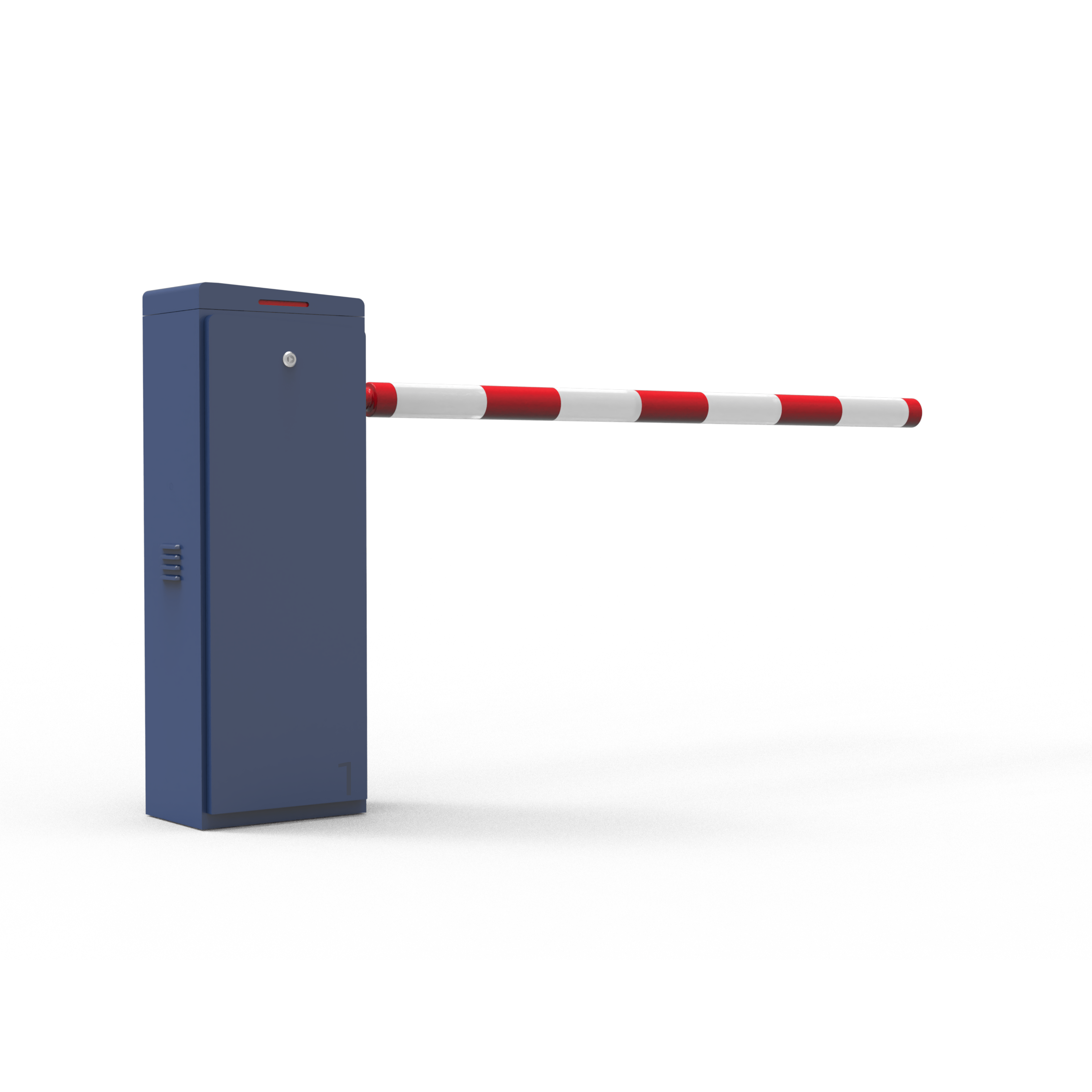
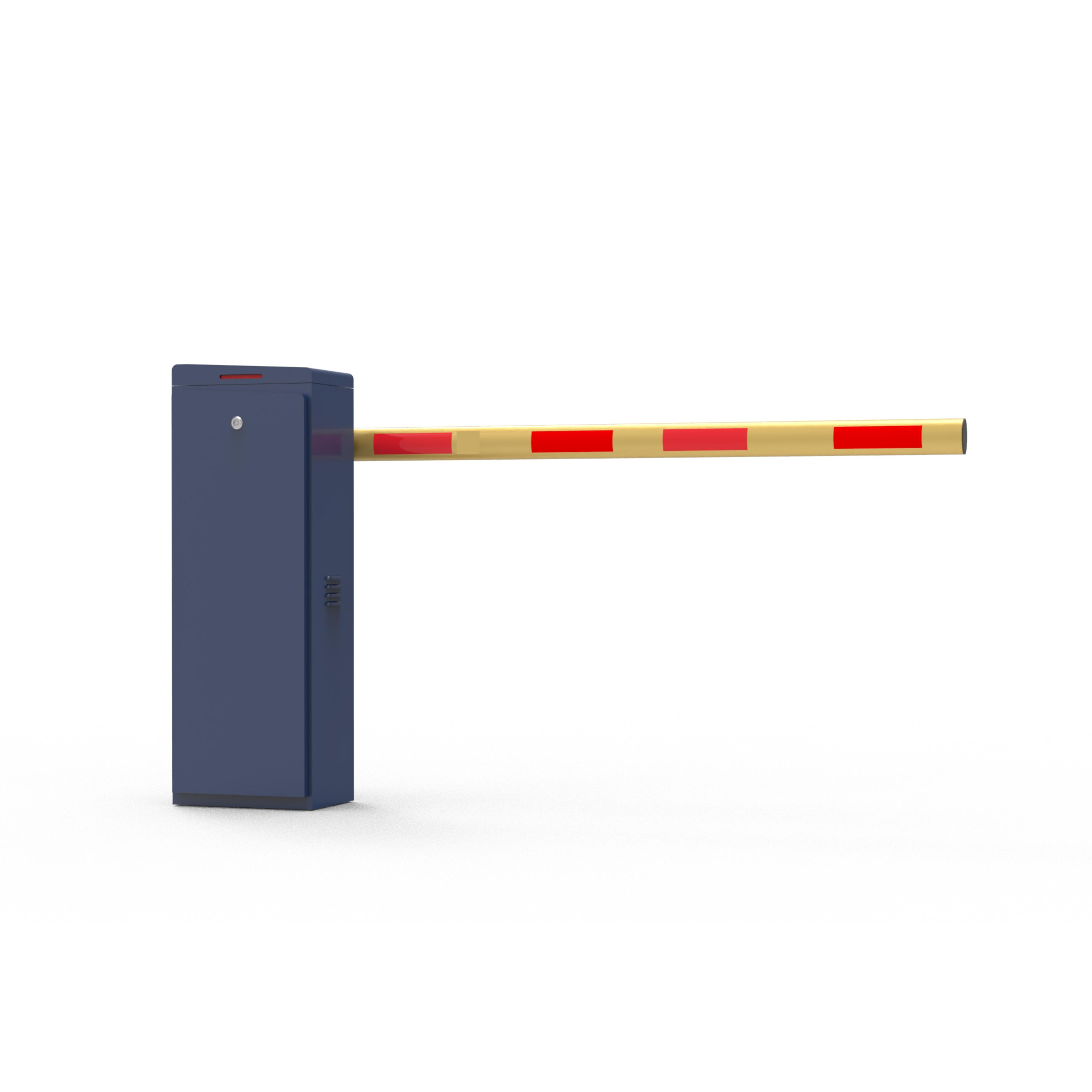
The barrier gate provides the physical vehicle-control point at the lane. Straight-arm barriers are common where overhead clearance is sufficient; folding-arm designs may suit locations with restricted ceiling height, while fence-style arms may be considered where a more visually closed lane is required. Select the arm type and length according to the actual lane and installation conditions.
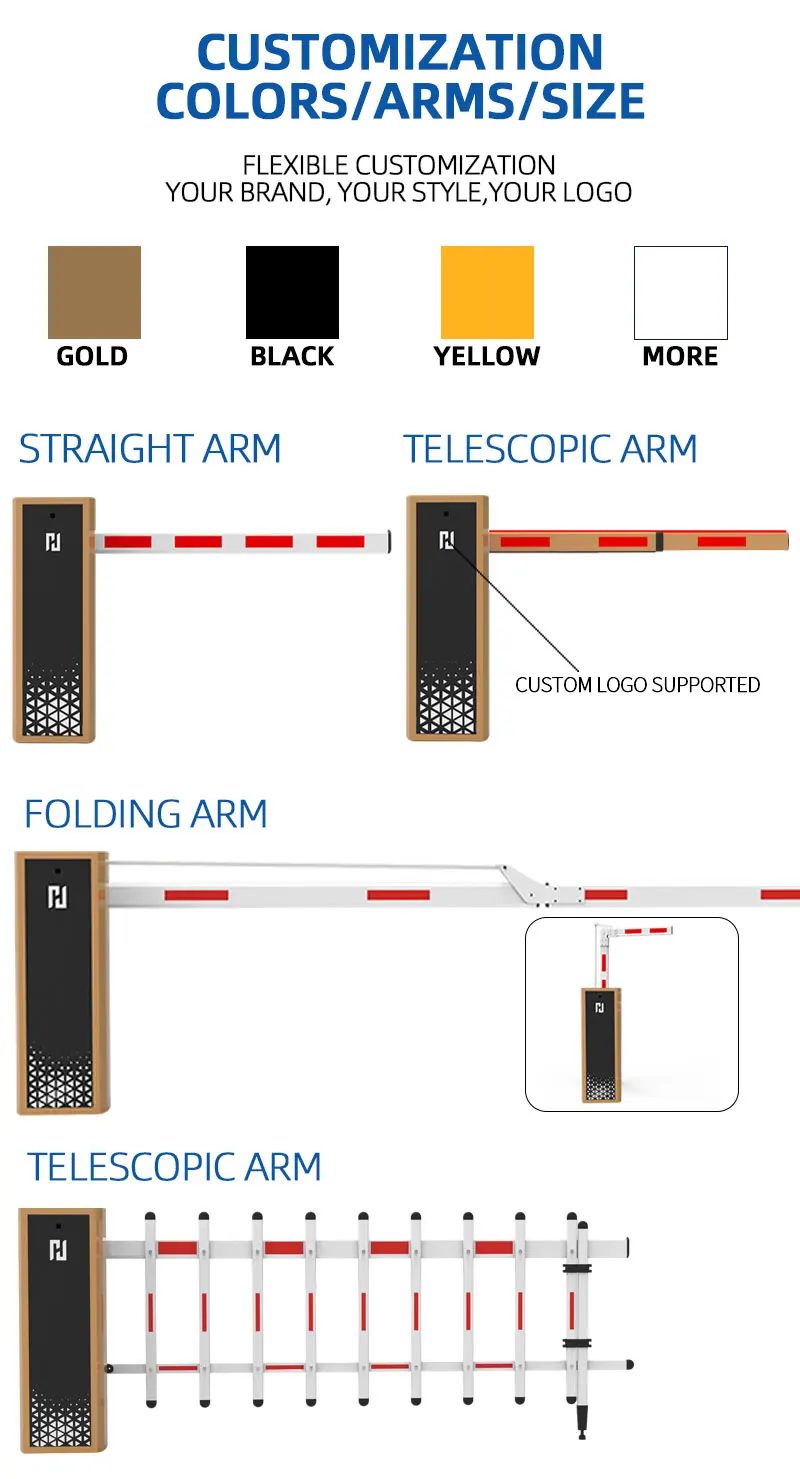
To compare lane equipment, review the BAROXON parking barrier gate range, which covers straight, folding, and fence arms as well as high-speed barrier gates for heavy traffic.
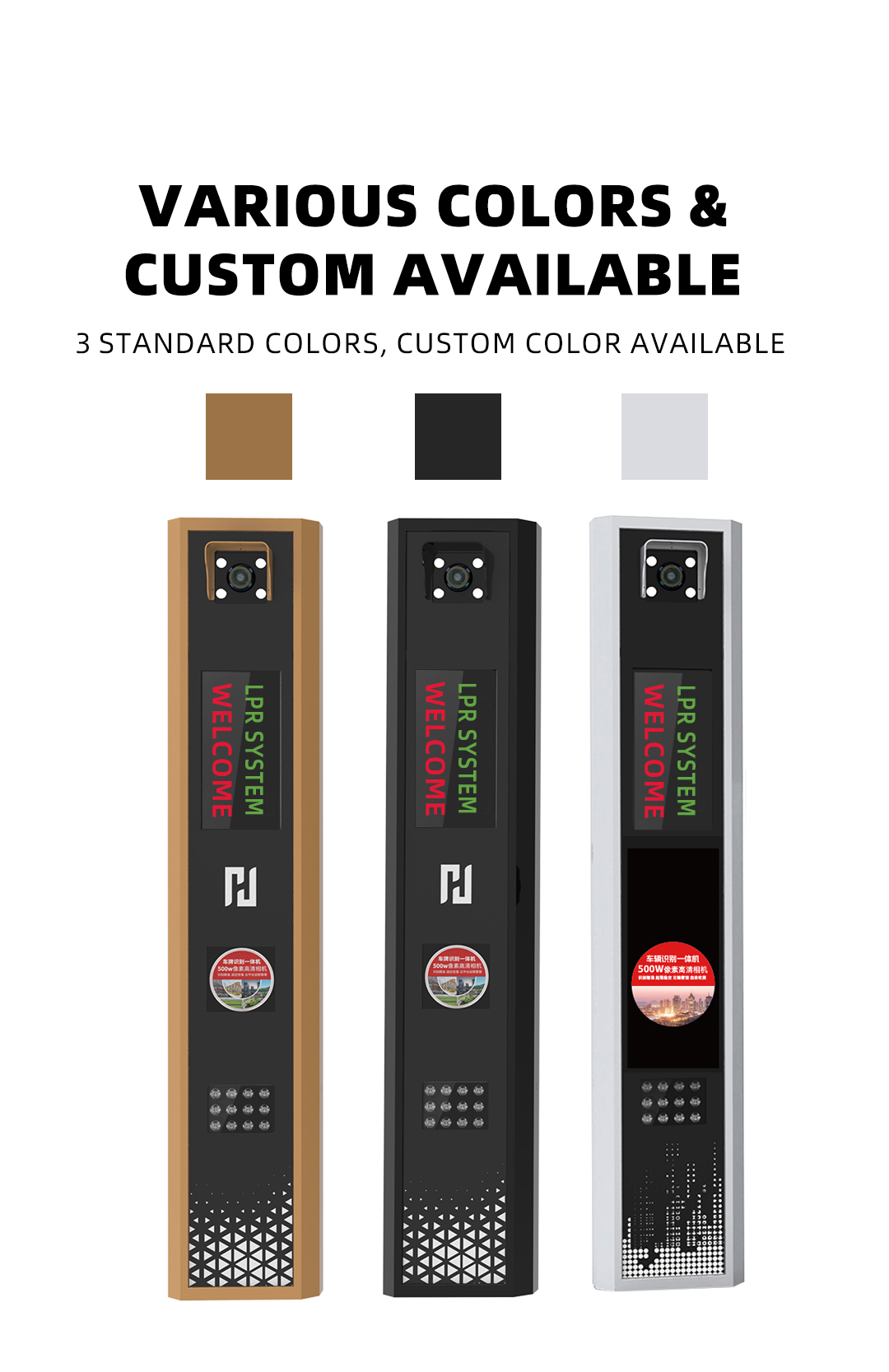
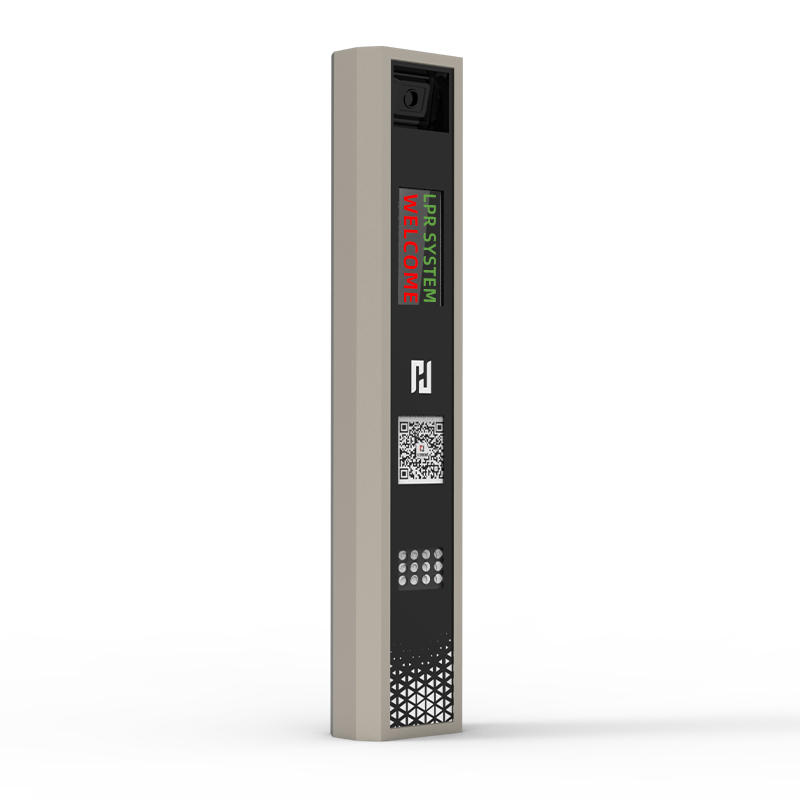
LPR (license plate recognition) and ANPR (automatic number plate recognition) are commonly used terms for technology that reads vehicle registration plates. Camera placement, lighting, plate condition, vehicle speed, regional plate formats, and weather can affect recognition performance. Ask for test results under conditions similar to the intended site rather than assuming a universal accuracy rate.
An integrated ALPR/LPR parking system combines the camera, recognition software, and lane control in one workflow.
RFID access is useful for registered users who need repeat access, such as residents, employees, or fleet drivers. A project may combine RFID with LPR or visitor credentials to provide alternative ways to authorize vehicles. Confirm credential capacity, read range, enrollment workflow, and compatibility before procurement.
A dedicated RFID boom barrier is often used where the same vehicles enter every day.
The controller coordinates input signals and barrier commands. Detection devices and safety accessories provide information about vehicle presence or obstacles. Ask the supplier and installer to document the control logic, emergency release method, backup arrangements where needed, and commissioning tests.
Management software may maintain vehicle permissions, user accounts, visit records, parking sessions, reports, and configured operating rules. Payment integration is a separate project requirement that must be confirmed with the parking software provider and payment-system vendor. Do not assume that every barrier gate includes a full parking management platform or payment function.
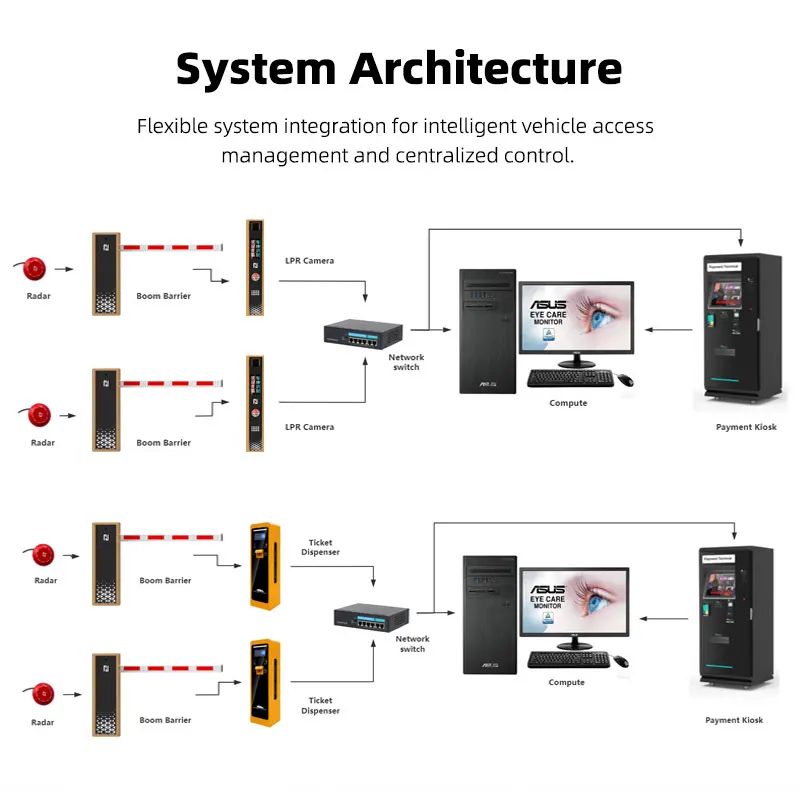
Automating routine checks can reduce the need for manual verification at every vehicle movement and help create a more consistent entry process. Actual throughput depends on lane layout, recognition performance, barrier speed, driver behavior, and exception handling.
Permission rules and event records can help operators manage residents, employees, visitors, contractors, and other vehicle groups. Access-control software supports operational decisions, but it should be paired with appropriate data permissions, account security, and clear administrative procedures.
Searchable access logs and reports can help managers investigate disputed entries, review traffic patterns, and understand usage over time. The usefulness of these reports depends on data quality, system integration, and the retention policy.
Using more than one credential method can help a site accommodate registered users, short-term visitors, and vehicles that cannot be identified automatically. The fallback process should be planned in advance for unreadable plates, network interruptions, lost cards, and emergency access.
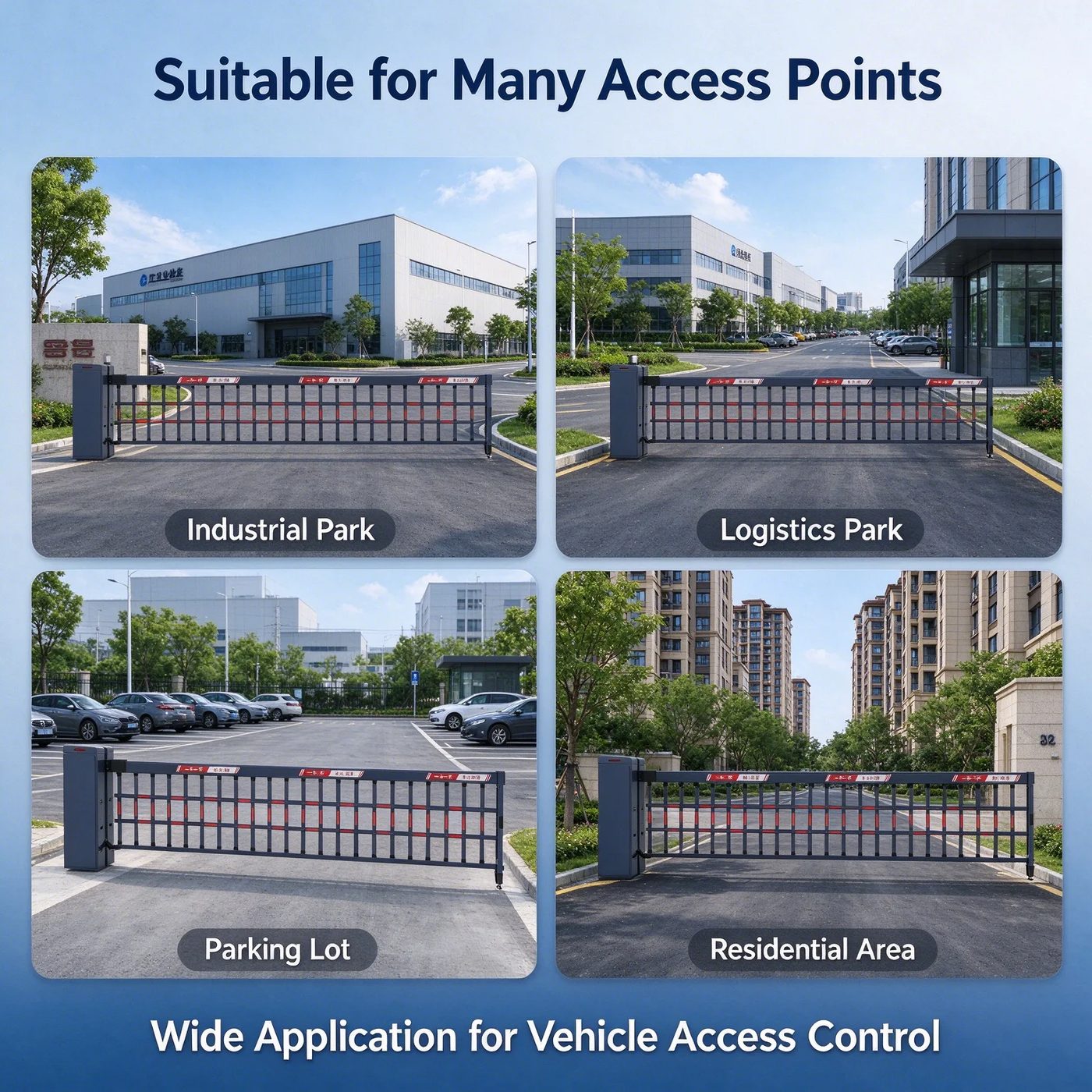
Start with the operational requirements rather than a product name. Record the number of lanes, peak-hour traffic, expected daily vehicle movements, user groups, available space, overhead clearance, outdoor exposure, and any local access or privacy requirements.
Next, decide how vehicles will be identified. LPR/ANPR may suit ticketless entry for registered plates; RFID can be practical for repeat users; QR codes or staffed verification may suit visitors. A mixed-method design can improve flexibility, but it also adds integration and administration requirements.
Evaluate the barrier hardware separately from the software. Confirm arm type and length, opening speed under the intended configuration, duty-cycle rating, environmental protection, safety-device compatibility, manual release, maintenance access, and availability of replacement parts. Specifications vary by model, so request the exact datasheet for the proposed configuration.
Finally, verify system interoperability. Ask which communication interfaces and protocols are available, whether the system can connect to the existing parking platform, whether an API or third-party integration is required, and who is responsible for configuration, testing, cybersecurity, and ongoing support.
A smart parking access control system should be designed as a complete lane solution. Barrier arms can create hazards if installed or operated incorrectly, so the project should include suitable vehicle detection, safety devices, clear signage, commissioning checks, maintenance procedures, and an emergency plan. The exact requirements should be assessed by qualified project professionals and in accordance with applicable local rules.
License plates and access logs may be personal or otherwise regulated data in some jurisdictions. Define the purpose of collection, who can access the data, how long it is retained, how it is protected, and how requests or incidents are handled. Check applicable privacy and data-protection obligations before deployment.
Reliability also depends on more than the barrier itself. Network availability, camera positioning, lighting, software updates, credential management, spare parts, maintenance response, and staff training all influence day-to-day performance. Include these factors in the acceptance test and service agreement.
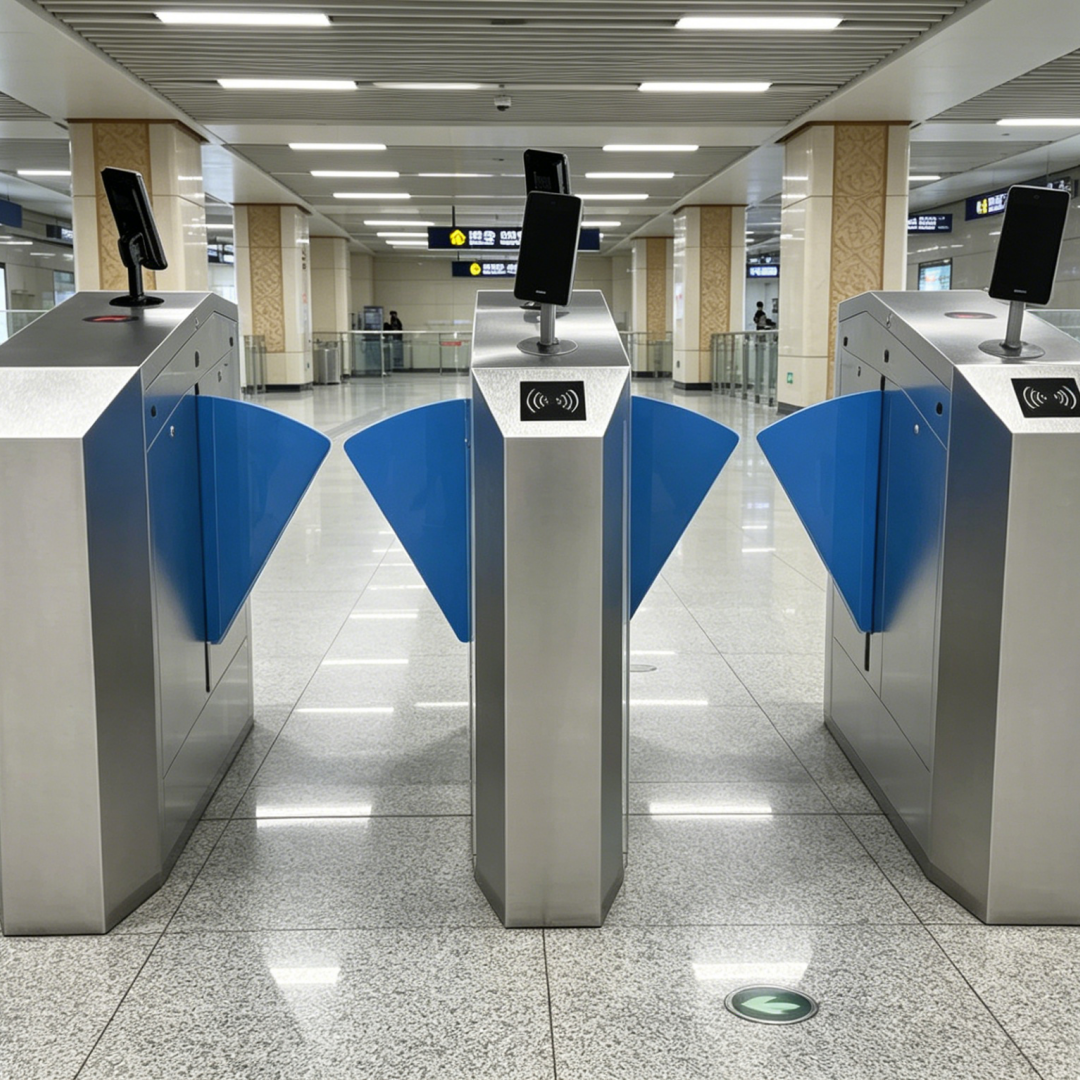
BAROXON product categories include boom barrier gates, high-speed barrier gates, LPR/ANPR license plate systems, automatic RFID boom barriers, radar sensors, pedestrian access control, turnstiles, parking locks, and gate openers. These categories provide a starting point for specifying the physical access-control equipment for a parking project.
For a vehicle entrance using plate recognition, review the BAROXON LPR/ANPR license plate system and the automatic RFID boom barrier options. For a broader view of available equipment, visit the BAROXON product center or the other technical guides in this section.
Before specifying a complete system, send BAROXON the project layout, lane width, expected traffic volume, preferred identification methods, required software or payment integrations, local electrical requirements, and environmental conditions. Ask the team to confirm the compatible hardware combination, interface requirements, safety accessories, and model-specific specifications in writing.
No. A barrier gate is the physical device that blocks or allows vehicle passage. A smart parking access control system is the broader solution that may combine the barrier with identification devices, controllers, software, sensors, and payment integrations.
No. Some sites use RFID cards, tags, QR codes, PINs, or staffed verification. LPR/ANPR is one possible method and should be selected based on site requirements, local plate formats, lighting, traffic speed, and expected operating conditions.
It may, when compatible parking management and payment systems are integrated. Confirm the supported payment methods, software interfaces, transaction workflow, and local payment-provider requirements with the relevant vendors.
A site should have a defined fallback procedure, such as a credential reader, intercom, staffed verification, or a controlled manual override. The appropriate method depends on security policy and operating hours.
Confirm the exact barrier model and configuration, supported identification methods, interfaces, safety accessories, environmental rating, software responsibilities, maintenance arrangements, warranty terms, and replacement-part availability. Request written confirmation for any critical integration or performance requirement.
Baroxon designs and manufactures automatic boom barriers, parking barrier gates, LPR/ANPR license plate systems, radar safety sensors, turnstiles, and access control systems. Production is certified to ISO 9001, ISO 14001, and ISO 45001, and the company operates two production bases and two R&D centres covering more than 2,000 m2. For related background, see the other technical guides in this section.
A smart parking access control system connects vehicle identification, access authorization, barrier operation, safety devices, and operational records into one coordinated process. The right design depends on the site traffic, users, security requirements, physical layout, and integration needs, not simply on choosing a camera or a barrier.
For project planning, compare the available BAROXON barrier gate and LPR/ANPR product categories, then confirm the full configuration with the supplier and system integrator. A clear specification and a properly tested installation are essential for reliable, safe, and manageable vehicle access.