English
 Bahasa Indonesia
 Bahasa Melayu


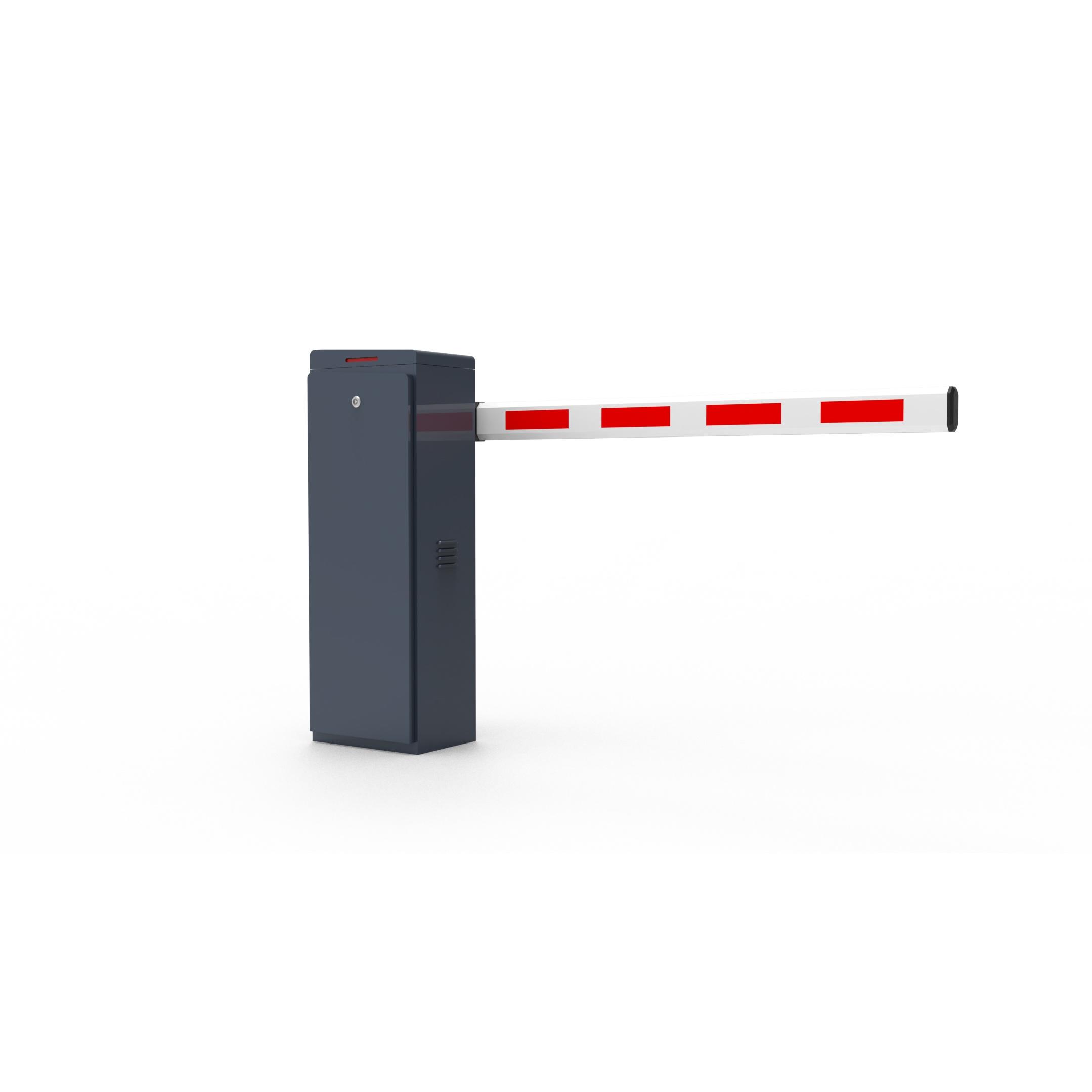
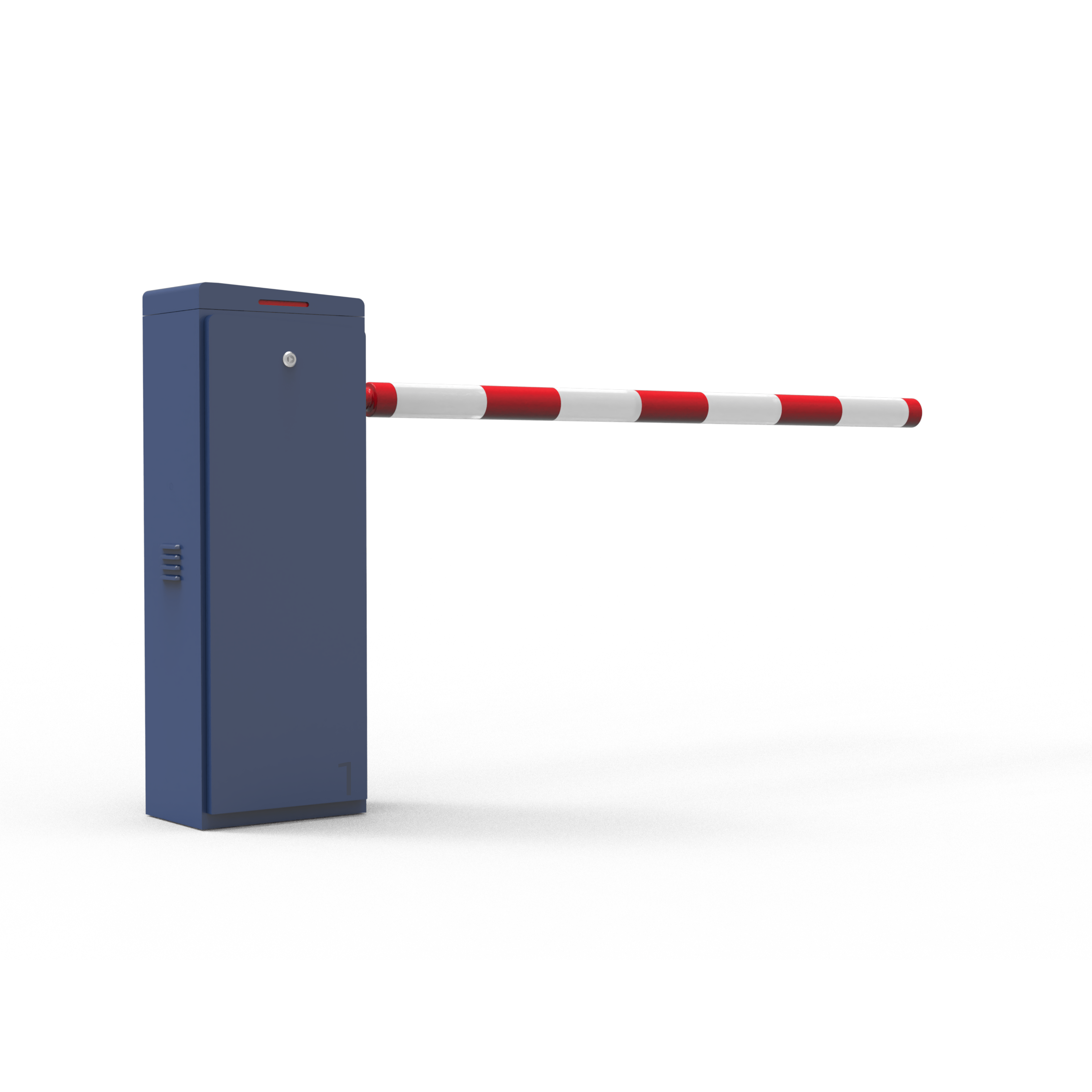
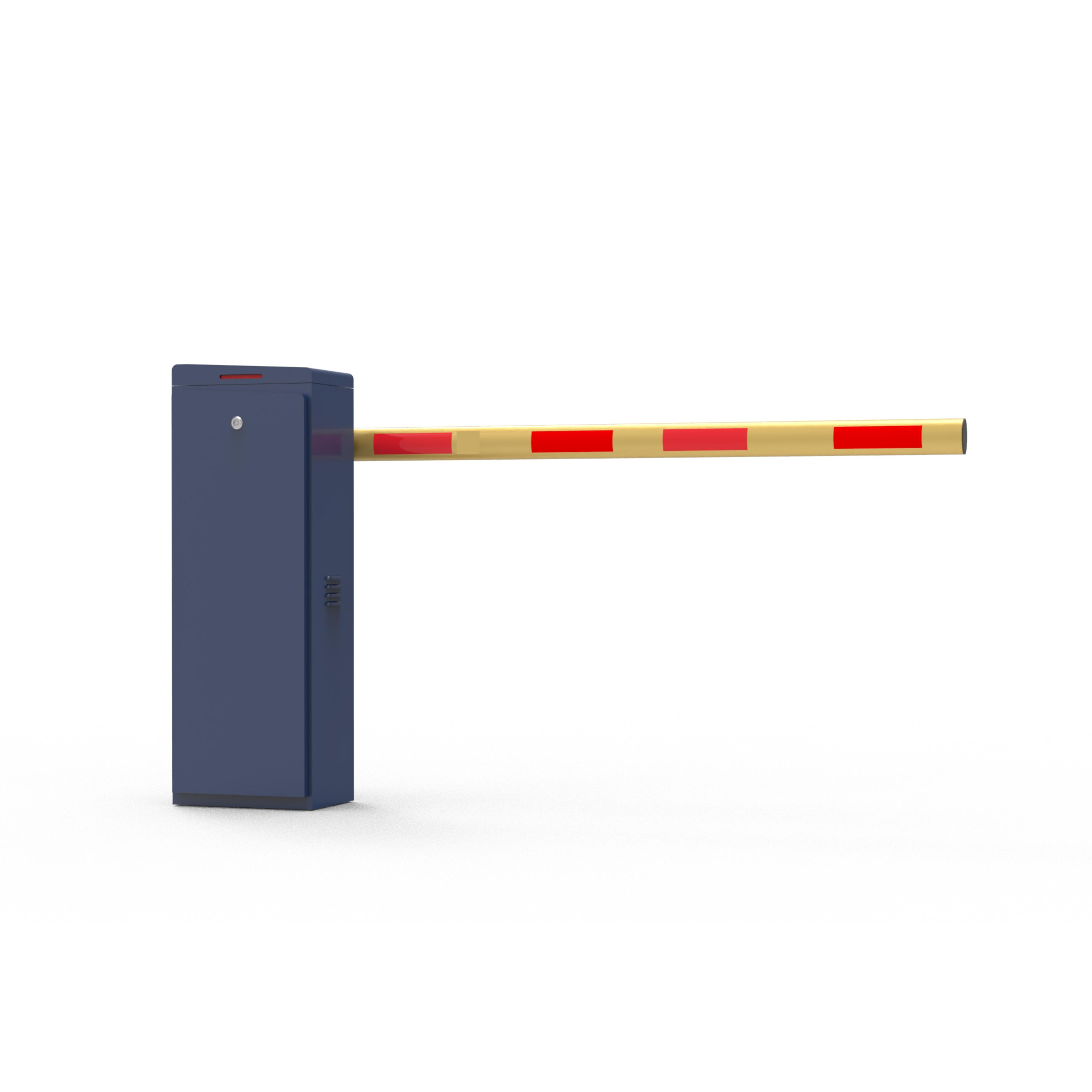
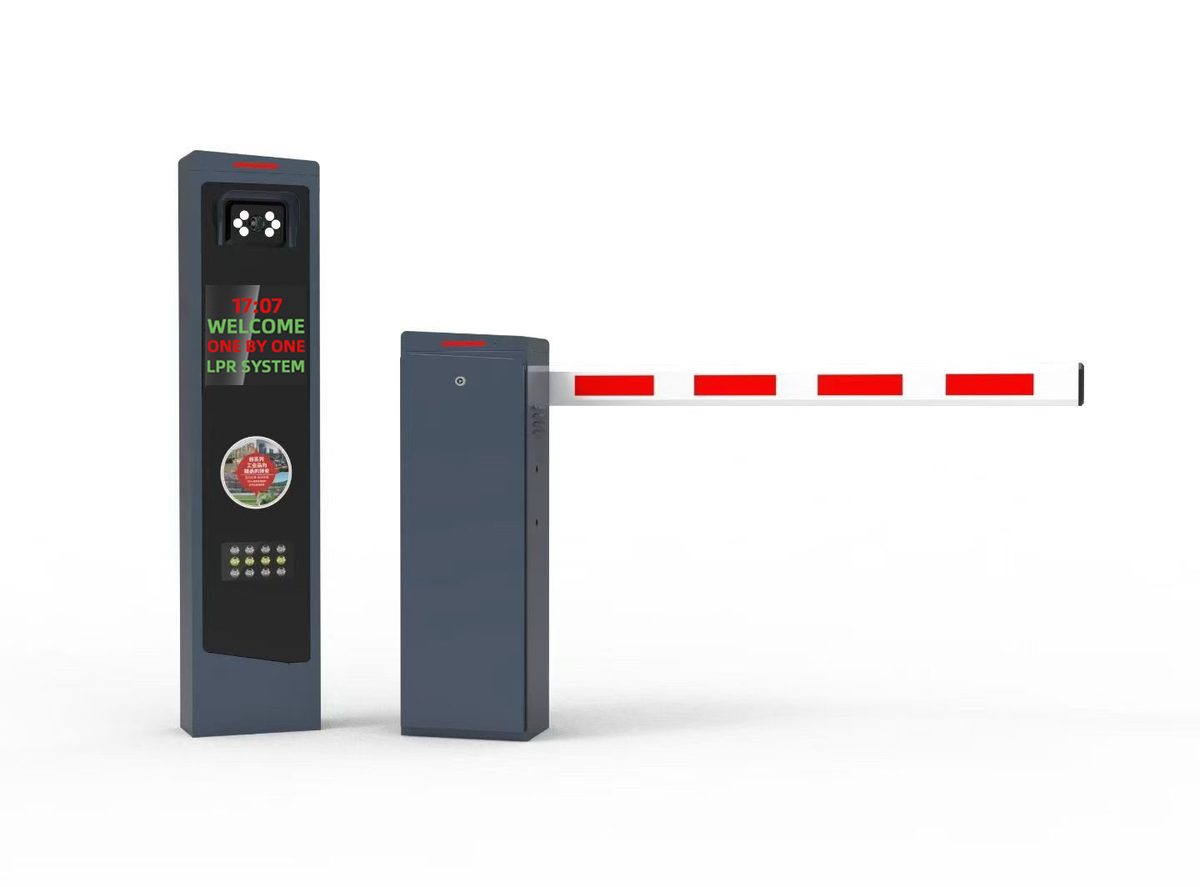
A parking barrier gate is a vehicle access-control device installed at an entrance or exit to regulate when vehicles can pass. A typical system consists of a barrier cabinet and a movable boom arm. When access is authorized, the arm rises to let the vehicle through and lowers again when the lane is clear.
Quick answer: a parking barrier gate verifies that a vehicle is allowed to enter, raises the boom, confirms that the lane is clear, and closes again. It is one part of a wider parking access-control system that can also include RFID readers, license plate recognition cameras, ticketing equipment, payment systems, intercoms, vehicle detectors and parking-management software.
| Question | Short answer |
|---|---|
| What it does | Controls when vehicles may pass through a lane |
| Other common names | Boom barrier, boom gate, vehicle barrier, automatic parking barrier |
| Main parts | Cabinet, boom arm, motor and transmission, controller, power supply |
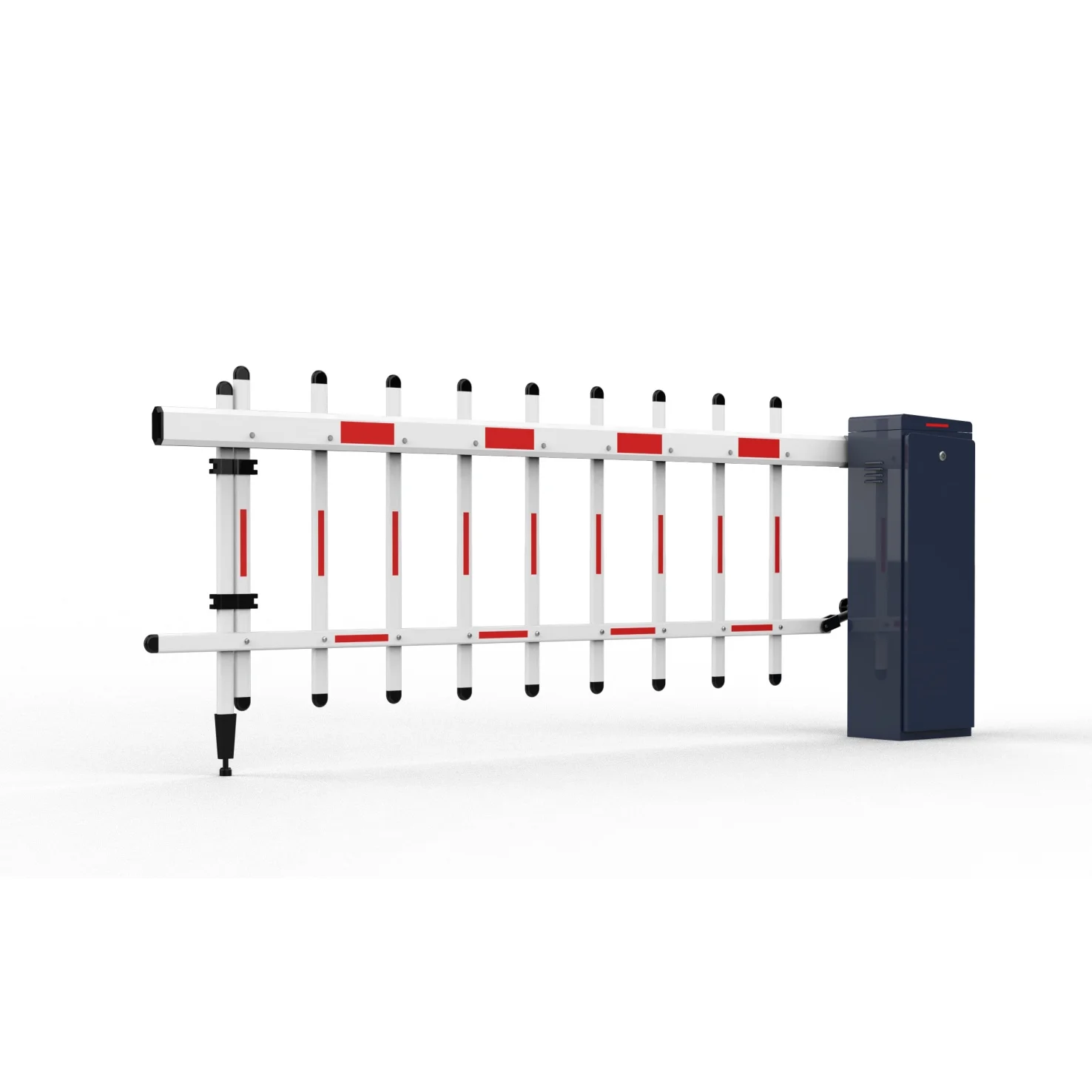
| Arm options | Straight, folding, fence and telescopic arms |
| Access methods | Remote control, RFID, LPR/ANPR, ticket, QR code, keypad, intercom |
| Typical sites | Car parks, residential communities, offices, factories, campuses |
| Safety devices | Loop detectors, radar, photoelectric sensors, warning lights |
| Part of a wider system | Yes. It integrates with ticketing, payment and parking software |
Parking barrier gates are widely used in commercial car parks, residential communities, office buildings, industrial sites, logistics facilities, campuses and other locations where vehicle access needs to be managed. The equipment is deliberately simple at the lane level: one cabinet, one arm, and one decision about whether the vehicle may pass.
The terms parking barrier gate, boom barrier, boom gate and automatic vehicle barrier are often used for similar equipment. A barrier gate is only one part of a wider parking access-control solution. It can work with RFID readers, license plate recognition cameras, ticketing equipment, payment systems, intercoms, vehicle detectors and parking-management software.
The barrier itself does not decide who may enter. That decision is made by the access-control layer, which can be a standalone controller, a parking terminal, or central software. This separation matters when a site plans an upgrade: the arm and cabinet can stay in place while readers, cameras or software are replaced.
An automatic parking barrier gate follows a sequence of access authorization, control, movement, vehicle detection and closing. The exact process depends on the installed access-control equipment, safety devices, controller settings and parking-management system.
A driver may request access using a remote control, RFID card or tag, keypad, ticket, QR code, mobile credential or intercom approval. In a license plate recognition setup, a camera captures the plate of the vehicle and compatible software checks it against the access rules of the site.
The access-control system sends a signal to the barrier controller. If the request meets the configured authorization conditions, the controller activates the drive mechanism. Before connecting third-party readers, cameras, payment terminals or software, confirm that the interfaces and protocols are compatible with the selected barrier model.
An electric motor and transmission mechanism move the boom arm from the closed position to the open position. Opening speed, arm length, operating noise and duty rating vary by model and configuration. Select equipment according to the actual traffic volume and operating requirements rather than relying on speed alone.
Depending on the installation, loop detectors, radar sensors, photoelectric sensors or other suitable devices can detect vehicles and help reduce the risk of the arm closing onto a vehicle. The level of protection depends on the selected devices, their placement, controller configuration and maintenance. The system should be designed and installed according to the instructions of the manufacturer and applicable local safety requirements.
After the vehicle clears the monitored area and the configured closing conditions are satisfied, the controller lowers the arm. Some installations use a timer, while others rely on vehicle-detection signals or parking-system logic. Closing behavior should be configured for the traffic flow and safety design of the site.
A parking barrier gate combines mechanical, electrical and access-control components. The specifications should match the lane layout, expected traffic, access method and environmental conditions.
The right configuration depends on lane width, overhead clearance, traffic frequency, weather exposure and the required access process.
| Type | Typical use | What to confirm |
|---|---|---|
| Straight-arm barrier | Open entrances with clear overhead space | Arm length, lane width and clearance |
| Folding-arm barrier | Garages and entrances with limited headroom | Folding geometry at the actual site |
| Fence-arm barrier | Sites that need a more enclosed lane restriction | Arm weight, wind load and anchor points |
| High-speed barrier | Frequent traffic where fast opening matters | Rated speed and duty cycle of the exact model |
| Integrated smart barrier | Sites that automate entry with RFID, LPR or payment | Supported interfaces and software compatibility |
To compare barrier options for different entrance requirements, review the parking barrier gate product range, which covers straight, folding and fence arms as well as high-speed barrier gates for heavy traffic lanes.
An RFID access system reads an authorized card, tag or credential and sends an access request to the controller. It can be suitable for residents, employees, fleet vehicles and registered users. The installation should account for reader range, credential management and the handling of lost or expired credentials. A dedicated RFID boom barrier is often used where the same vehicles enter every day.
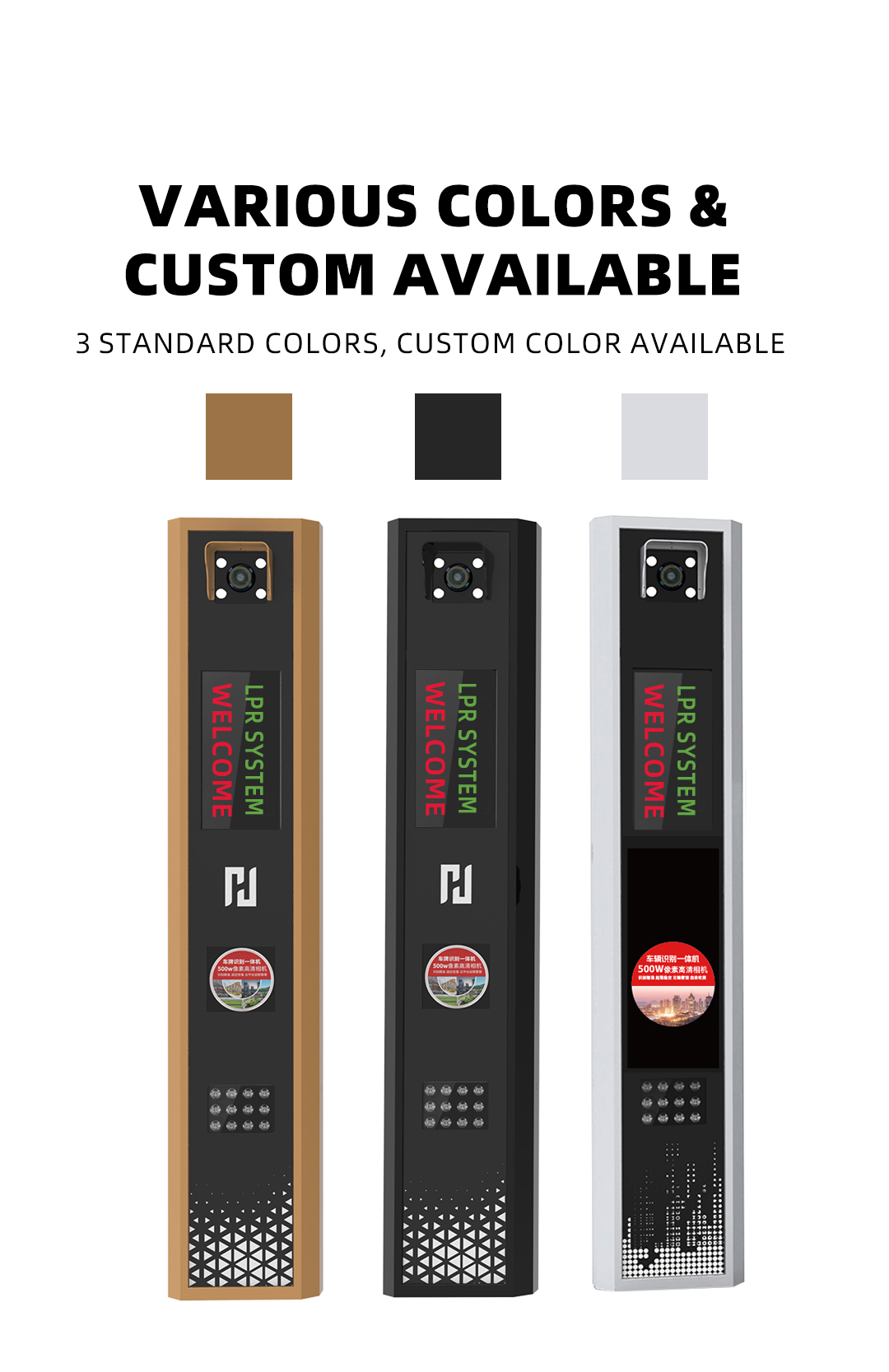
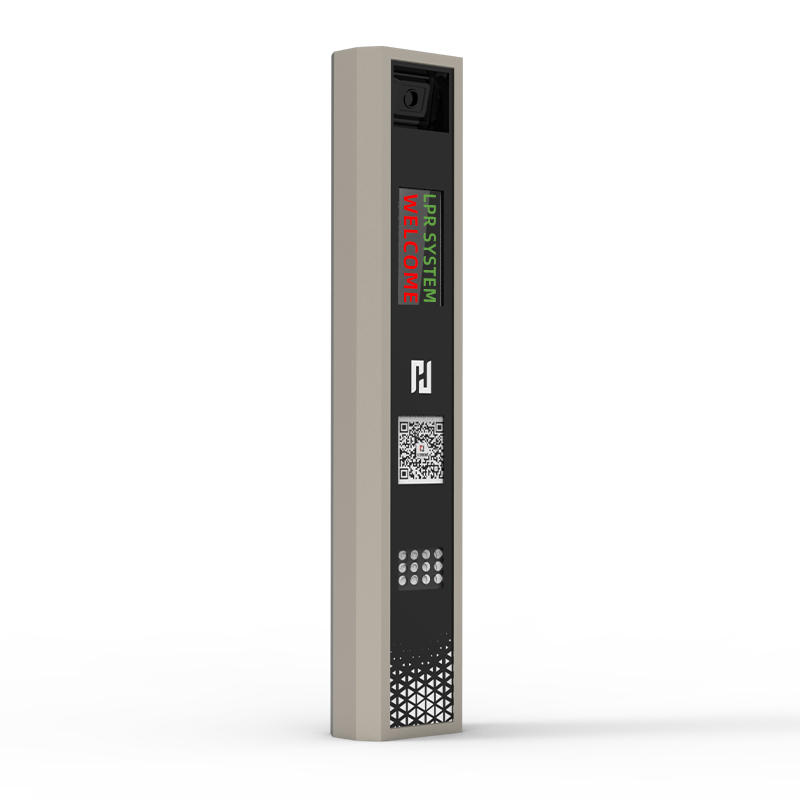
A license plate recognition system, commonly called LPR or ANPR, uses a camera and software to read the plate of a vehicle and compare it with configured records or access rules. When integrated with a compatible barrier controller, it can support ticketless entry, registered-vehicle access and automated parking workflows.
Recognition performance depends on camera placement, lighting, plate format, vehicle speed, weather and software configuration. Operators should also comply with applicable privacy and data-protection requirements. An integrated ALPR/LPR parking system combines the camera, recognition software and lane control in one workflow.
Assess the actual entrance and operating requirements before selecting a system.
Many parking barrier gates are motorized and operate automatically after receiving an authorized command, but manual and other configurations also exist. Confirm the operating method for the specific model.
Not necessarily. License plate recognition usually requires a compatible camera, recognition software, and integration with the barrier controller or parking-management system.
The terms are often used interchangeably for vehicle barriers with a movable arm. Parking barrier emphasizes the application, while boom barrier describes the arm-style mechanism more directly. Usage varies by market.
Neither option is best for every site. RFID relies on a credential such as a card or tag, while LPR/ANPR uses camera-based plate recognition. The right choice depends on user types, traffic flow, privacy requirements, lighting, budget, and integration needs.
Environmental protection varies by model. Before outdoor use, check the exact ingress-protection rating, operating-temperature range, installation requirements, and maintenance instructions of the product.
No. A barrier is one layer of vehicle access control, not a complete security guarantee. Higher-risk sites may also require credential checks, cameras, fencing, security personnel, anti-tailgating procedures, and other measures.
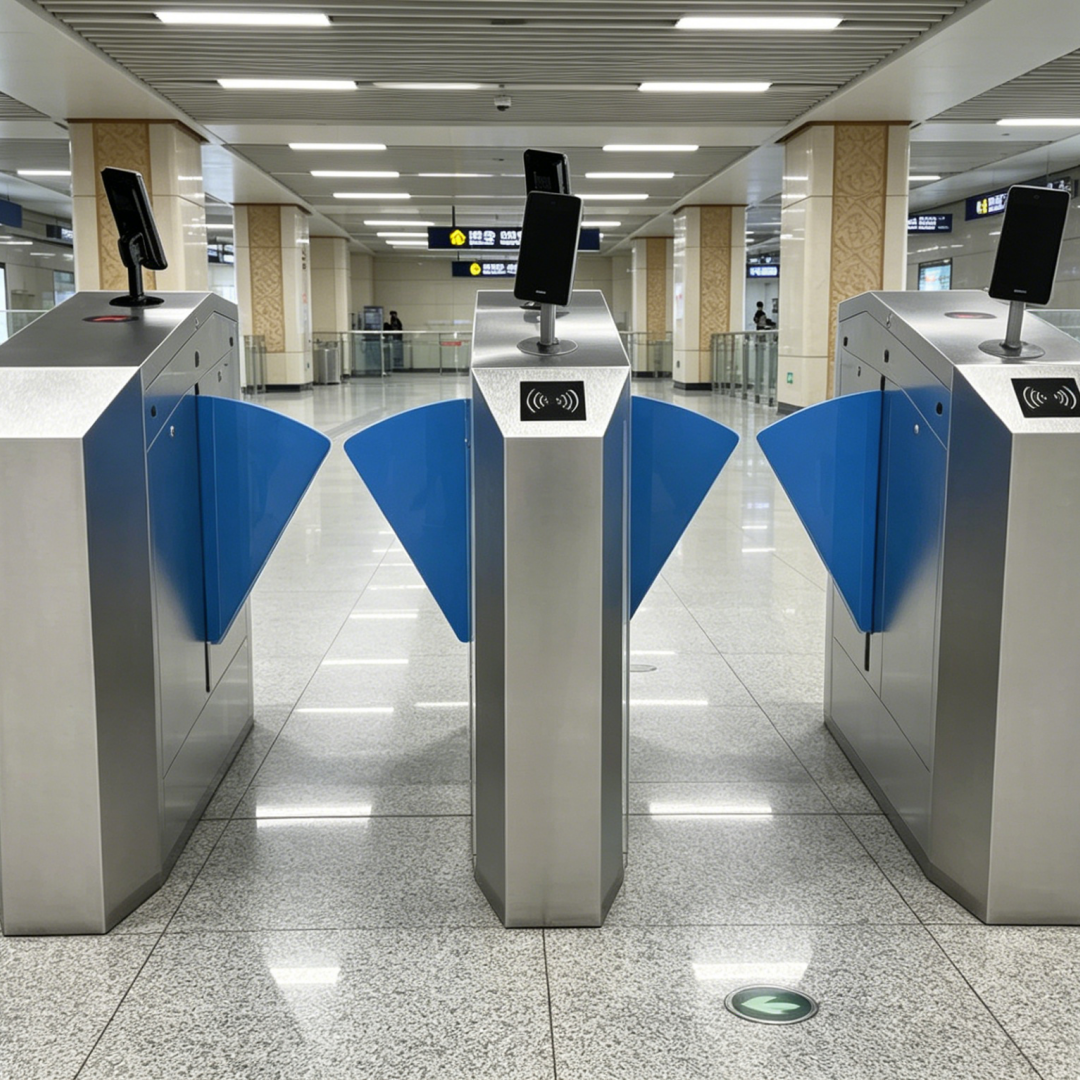
Baroxon designs and manufactures automatic boom barriers, parking barrier gates, ALPR/LPR plate recognition systems, radar safety sensors, turnstiles and access control systems. Production is certified to ISO 9001, ISO 14001 and ISO 45001, and the company operates two production bases and two R&D centres covering more than 2,000 m2. For related background, see the other technical guides in this section.
A parking barrier gate controls vehicle passage by combining a movable boom arm, a drive mechanism, a controller and an access command. When selected and integrated correctly, it can help organize vehicle entry and exit at residential, commercial, industrial and public facilities.
The right solution depends on lane dimensions, traffic demand, access credentials, safety design, environmental conditions and compatibility with the wider parking system. Review the BAROXON parking barrier gate solutions to compare available options, then confirm model-specific specifications and integration requirements before purchase.