English
 Bahasa Indonesia
 Bahasa Melayu


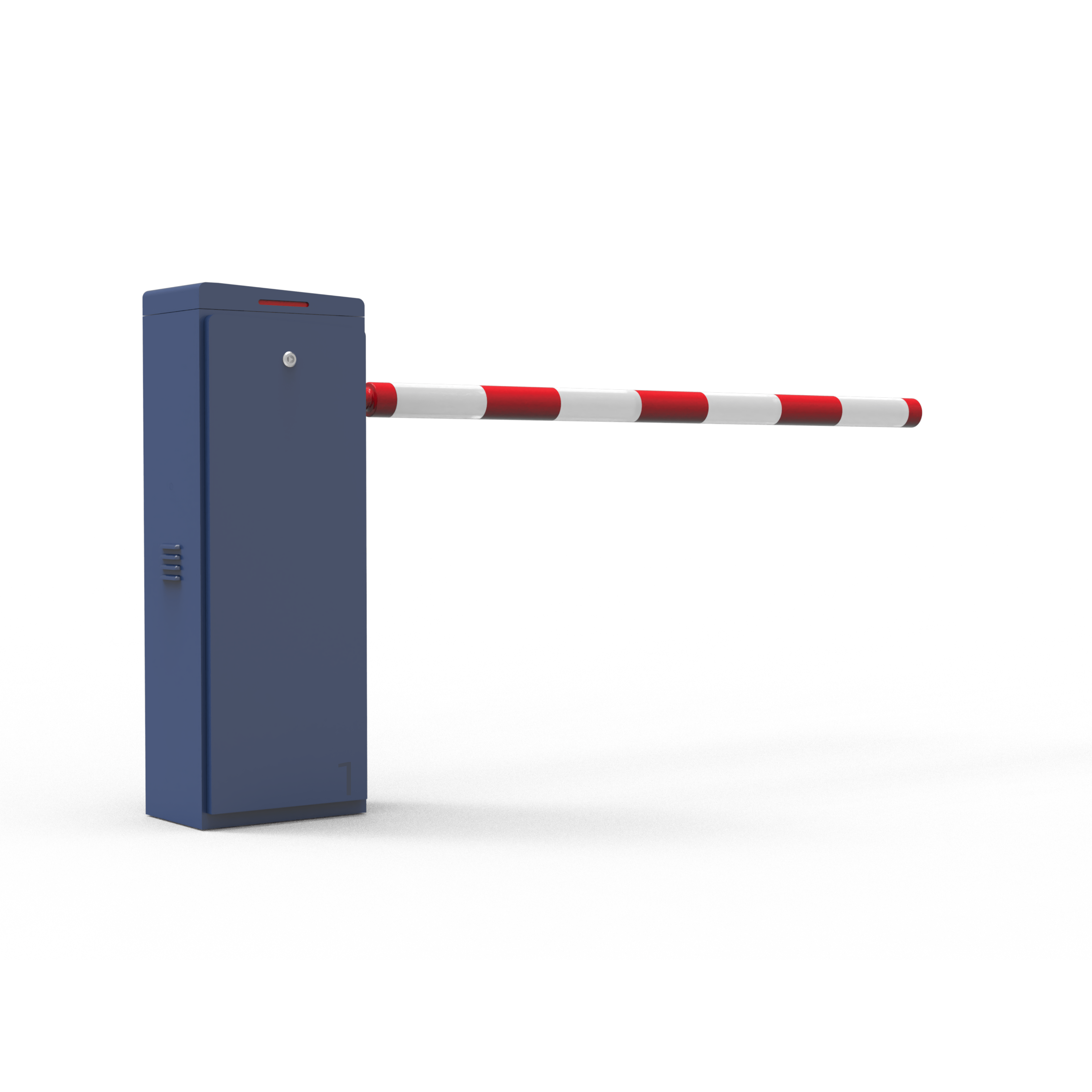
Choosing an automatic parking barrier is one of the most important decisions for a managed vehicle entrance. The right choice is not only about price or opening speed. It depends on traffic volume, lane layout, security needs, the operating environment, access-control workflow and the maintenance plan. A barrier for a residential car park has very different requirements from one serving a logistics warehouse, shopping mall, office campus or toll facility. This guide explains the key selection criteria and how to build a reliable vehicle-access system around them.
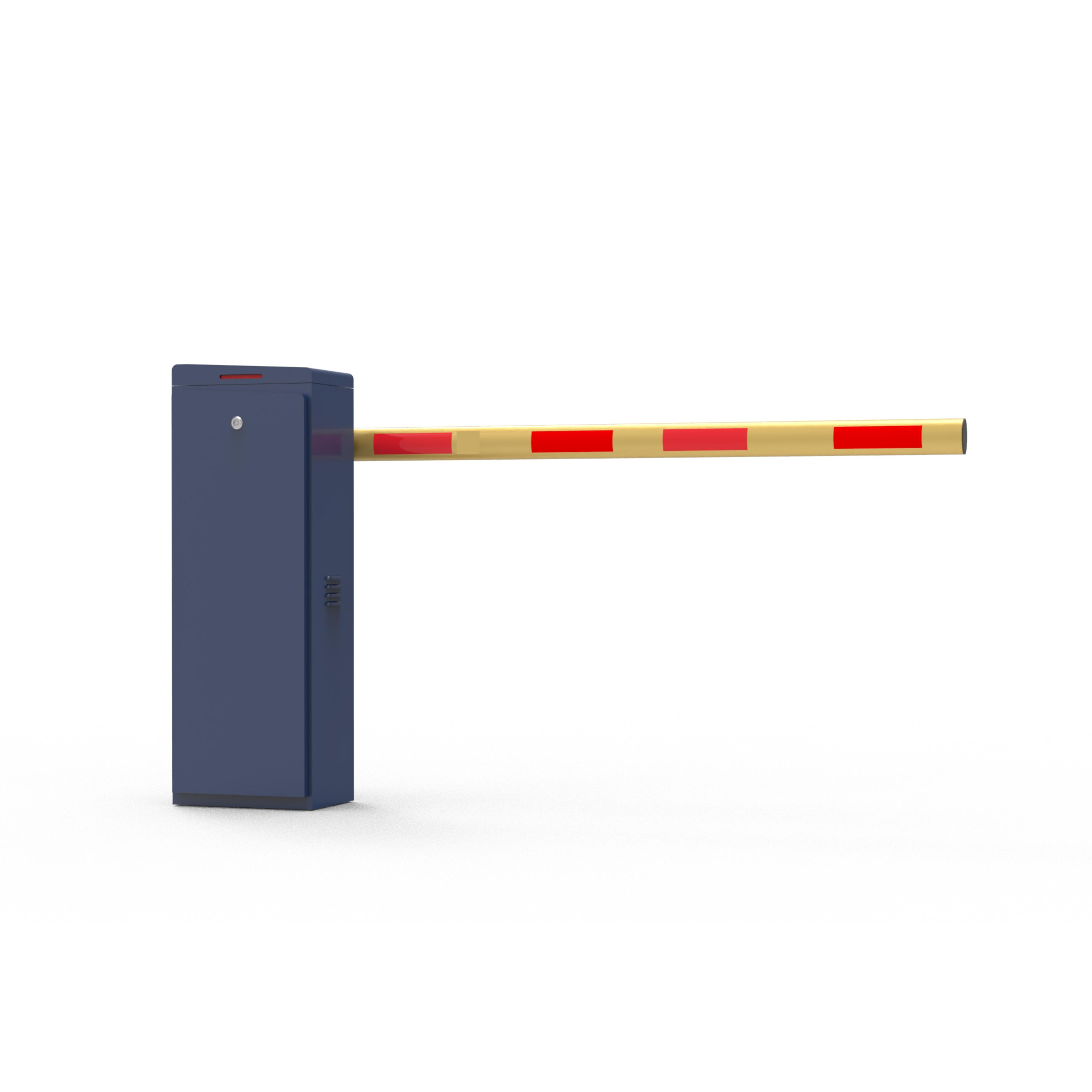
Quick answer: start with traffic volume and duty cycle, then match the boom arm, access control, safety devices, weather protection and integration to the site, and compare total cost of ownership rather than purchase price alone.
Estimate the number of vehicles passing through each lane during peak hours, the total daily cycles, and whether traffic is steady or arrives in short surges. A small private car park may prioritize simple operation and low ownership cost. A busy commercial car park, industrial site or transport hub may need a barrier designed for frequent cycling, fast response and straightforward servicing. Ask the supplier to confirm the rated duty cycle and the test conditions behind it. Do not compare cycle-life claims unless the testing basis is comparable.
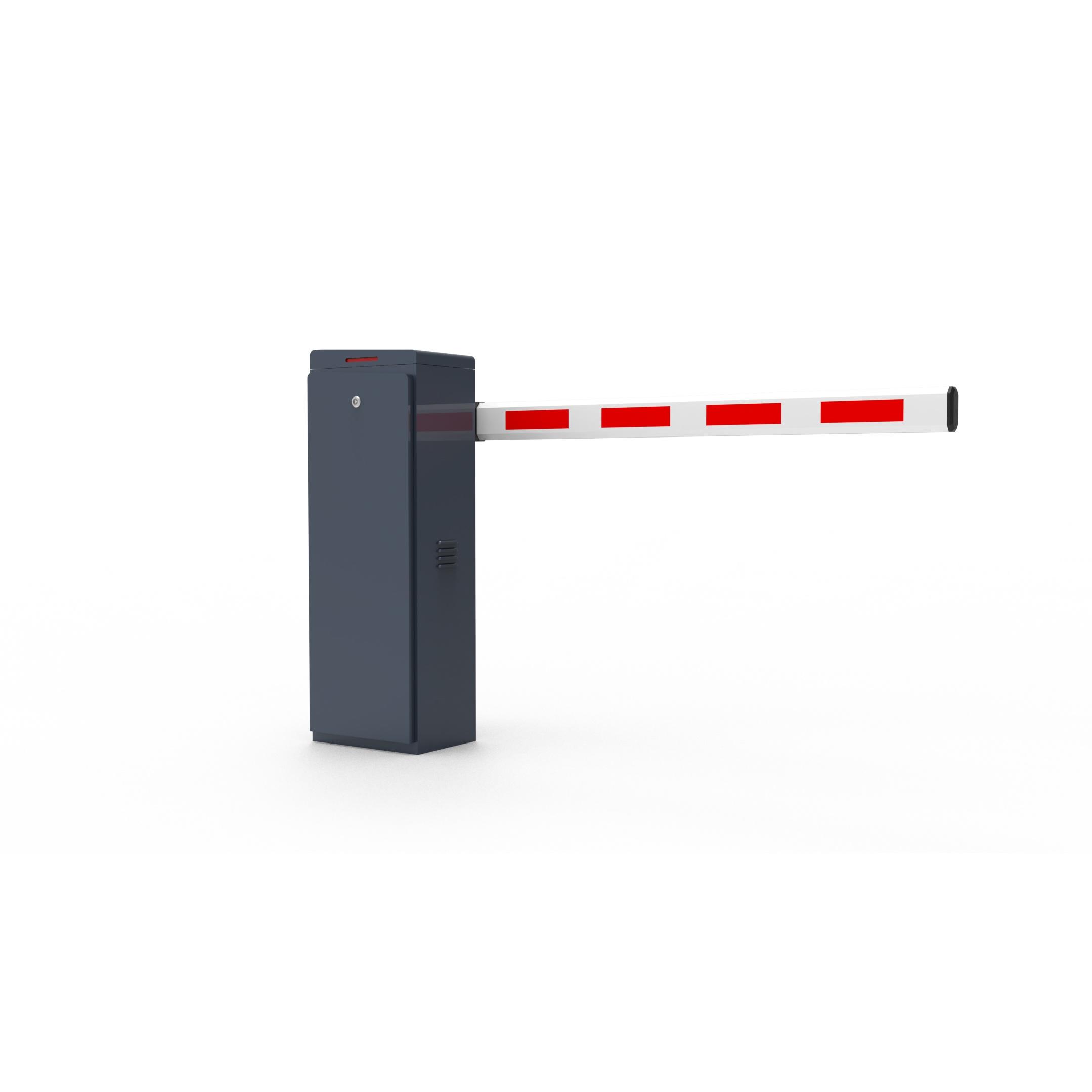
BAROXON offers standard boom barriers, high-speed barrier gates and integrated parking-access solutions. Use the BAROXON barrier gate range to shortlist product families, then request a model-specific specification sheet for your lane and cycle requirements.
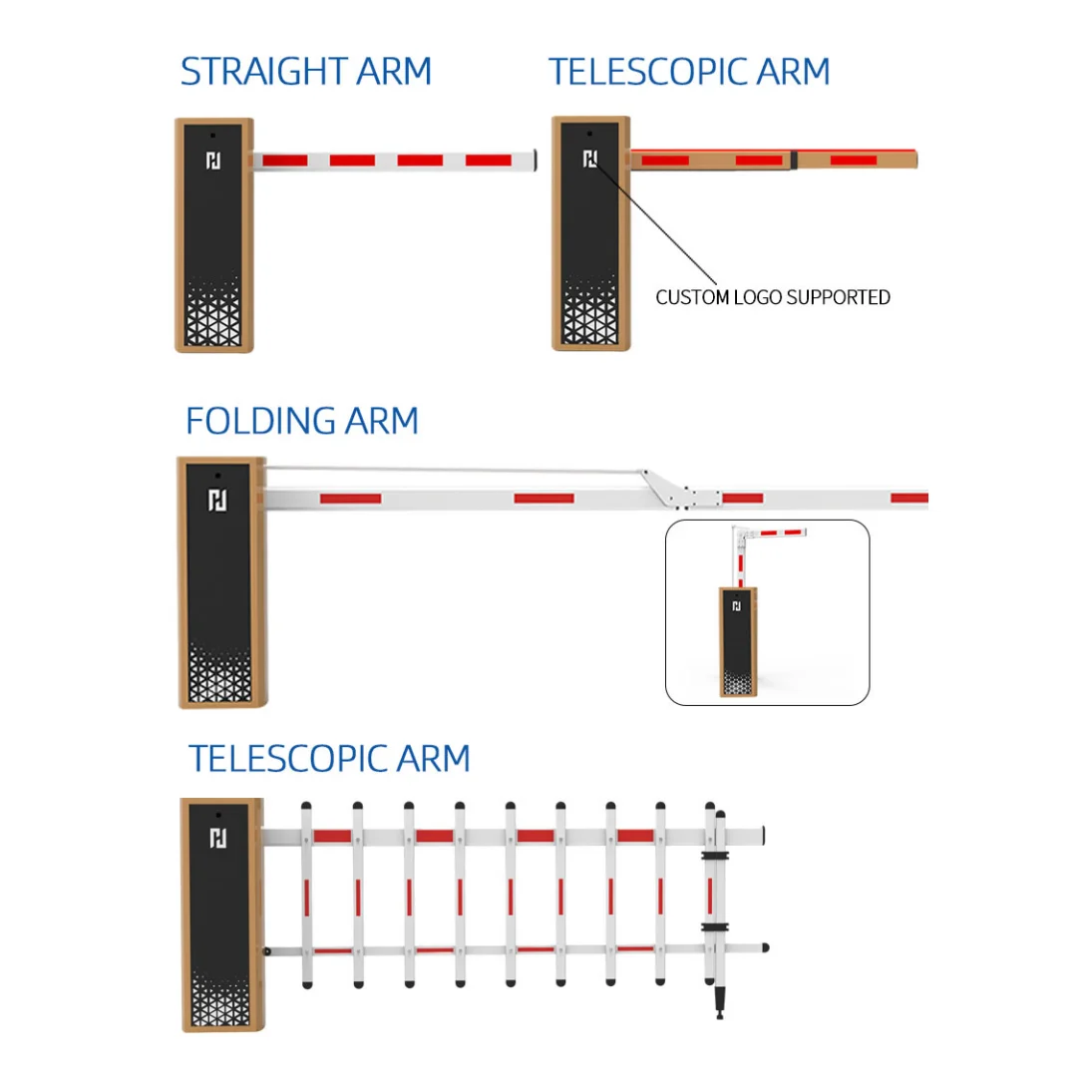
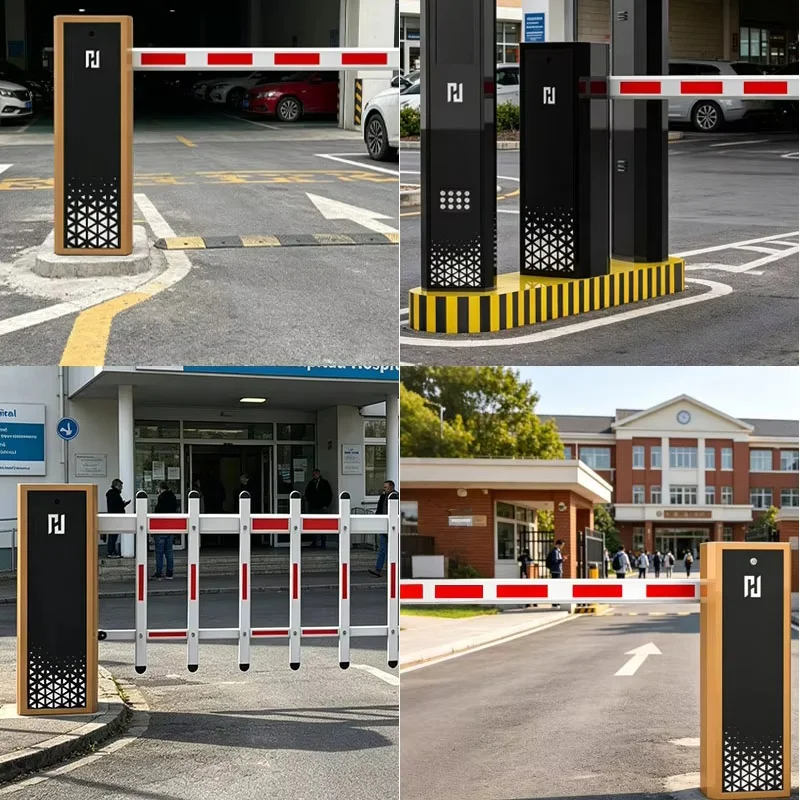
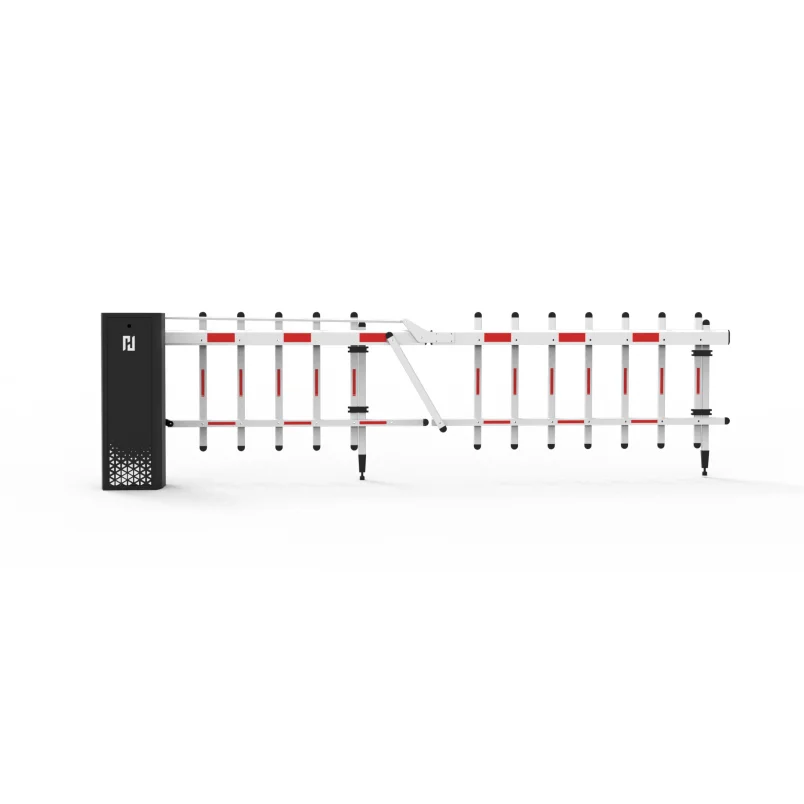
Measure the clear lane width, available cabinet position, turning radius, ceiling height and any overhead obstruction before choosing the arm. Straight arms are common for open-air car parks and standard vehicle lanes. Folding or articulated arms help where a low ceiling or overhead structure limits vertical clearance. Fence-style arms may provide a more visible physical boundary in selected applications, but they also change wind loading, movement clearance and safety considerations. Confirm the supported arm length and configuration for the exact barrier model.
BAROXON provides straight-arm, folding-arm and articulated-arm options. For sites with limited headroom or a need for a visible barrier profile, compare the folding-fence design with the straight-arm option when planning the lane.
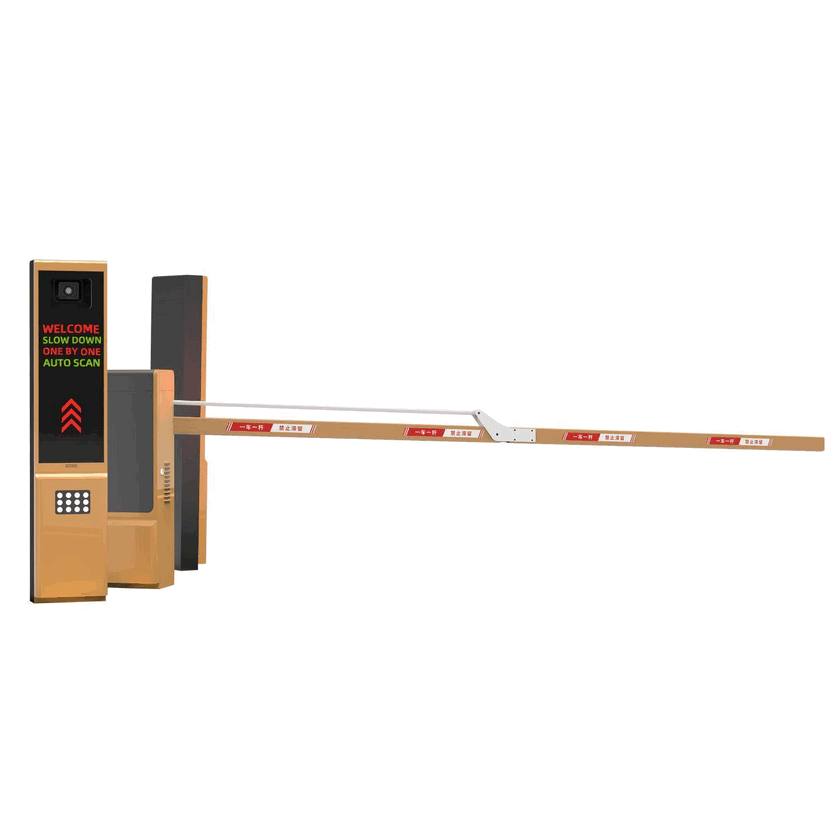
The barrier is only one part of the entrance system. Consider how drivers will be authorized: remote control, RFID card or tag, ticket dispenser, keypad, intercom, mobile credential, license plate recognition, or a combination. Residents and employees may benefit from RFID or registered plates; visitors may need tickets, QR codes or intercom approval; logistics sites may require vehicle records and operator override. Map the full entry and exit journey before purchasing hardware.
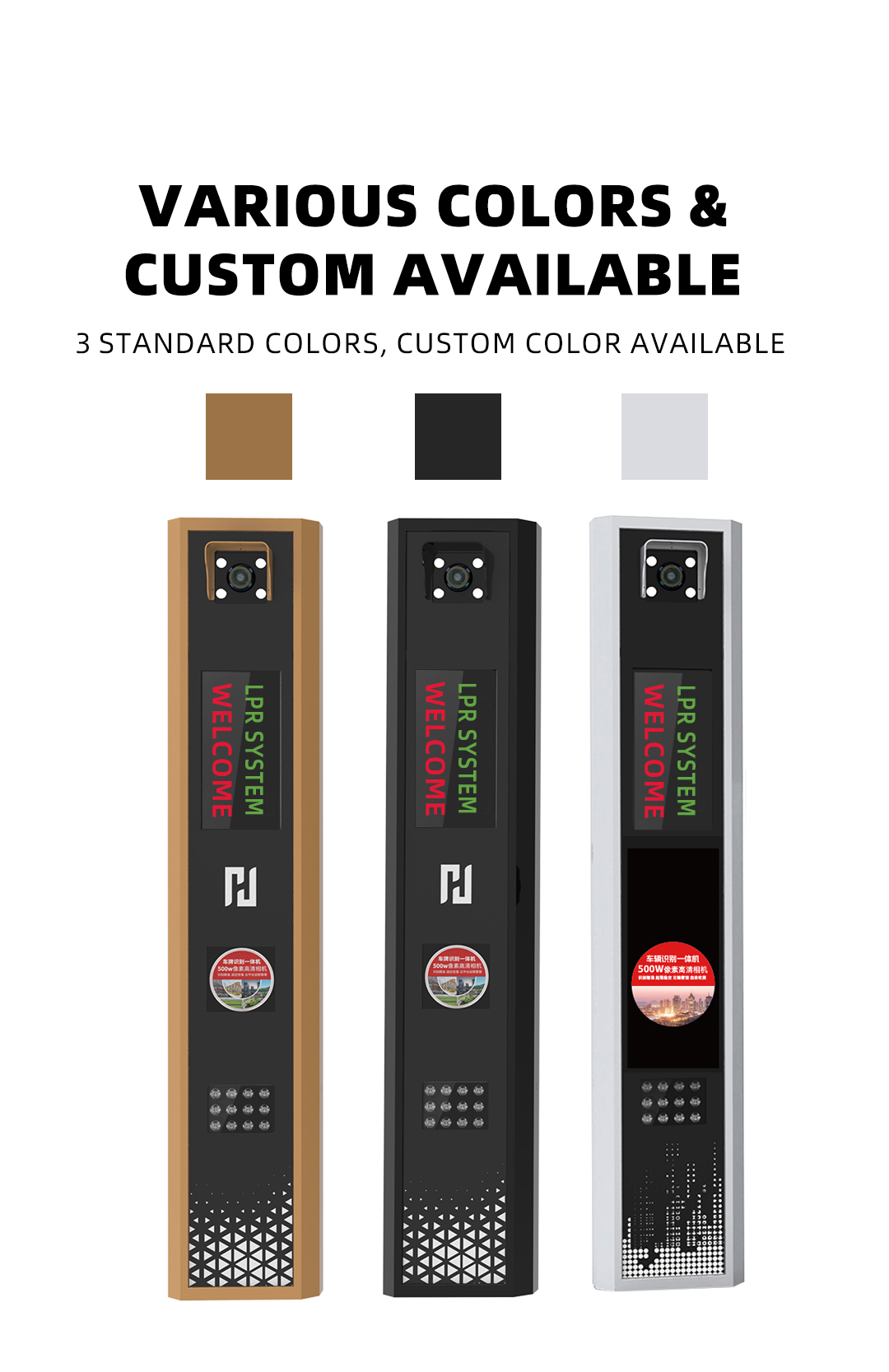
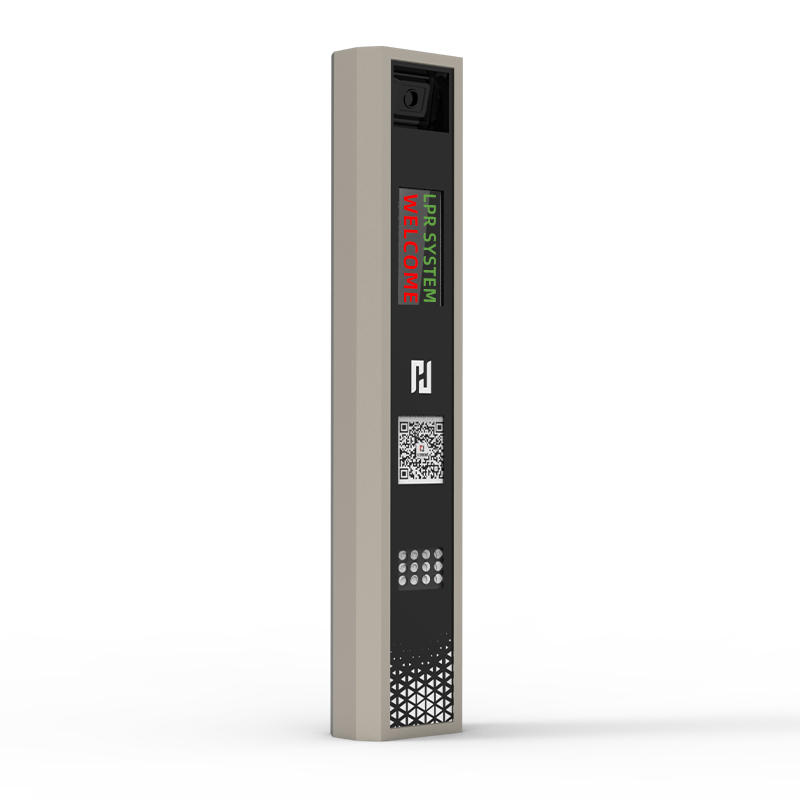
For touchless entry, examine BAROXON automatic RFID boom barriers and the LPR/ANPR boom barrier solution. Ask whether the camera, controller, management software and barrier are supplied as one package or need integration with third-party equipment.
A barrier arm moves through a vehicle and pedestrian environment, so safety must be assessed as a system. Ask about vehicle-loop detectors, radar or other presence sensors, photocells where applicable, anti-crash logic, automatic reversal, warning lights, audible alerts and emergency release. Confirm how the system behaves if a vehicle stops under the arm, a sensor fails, communication is lost or power is interrupted. The correct configuration depends on the site layout and local rules; no single sensor should be assumed to solve every risk.
Review the installation and operating manuals with the supplier, and have a qualified installer validate detection zones and vehicle stopping positions. Product information describes safety-oriented features on selected models, but the exact included devices and functions should be confirmed in the quotation and model datasheet.
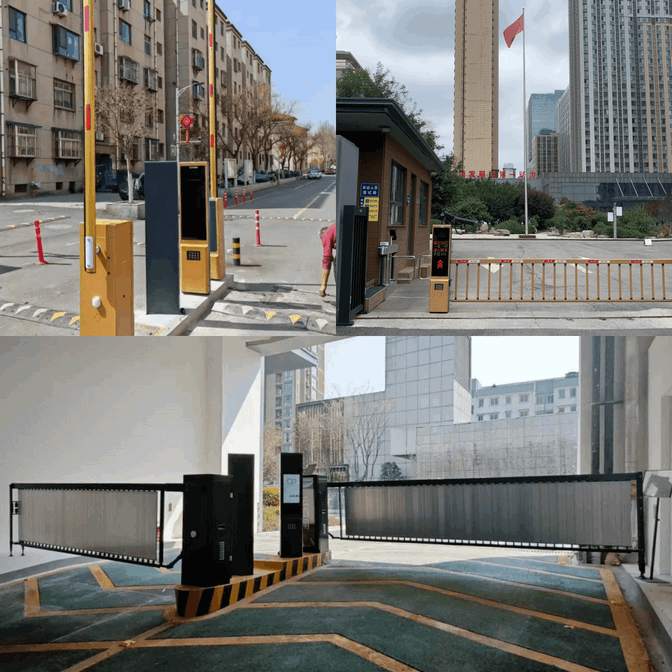
Outdoor barriers may face rain, dust, humidity, salt air, heat, cold, direct sunlight or wind. Confirm the enclosure ingress-protection rating, corrosion protection, operating-temperature range and the permitted arm configuration for the local wind conditions. Also consider drainage, concrete foundation, cable routing, surge protection and access for maintenance. For indoor garages, check ceiling clearance, ventilation, lighting and whether the cabinet can be serviced without blocking the lane.
BAROXON product pages describe weather-resistant options and different protection classes across selected models. Do not assume that every model has the same rating: verify the exact IP rating, temperature limits and installation instructions for the model being quoted.
A faster opening time does not automatically mean a faster parking entrance. Total throughput also depends on license-plate or credential reading time, driver reaction, vehicle spacing, payment processing, barrier closing logic and downstream congestion. Ask for the full opening and closing cycle, the conditions under which it was measured, and the recommended traffic flow for your layout. Where queues are likely, consider lane geometry, signage, payment placement and whether entry and exit should be separated.
For sites that prioritize rapid vehicle processing, compare the high-speed barrier gate options with the standard barrier range and request measured cycle data for the proposed arm length and control configuration rather than relying on a headline speed alone.
If your site uses parking-management software, pay stations, ticketing, an LPR platform, a building-management system or a third-party access-control platform, confirm compatibility before ordering. Ask for supported interfaces and protocols, available input and output signals, network requirements, API documentation where relevant, and responsibility for integration testing. Also clarify whether the system can operate locally during an internet outage and how events are logged or synchronized afterwards.
Compare the initial hardware price alongside installation, civil works, wiring, access-control devices, software licenses, integration, training, spare parts, preventive maintenance and expected downtime. A lower-cost unit may not be the best value if it is poorly matched to the traffic level or difficult to service. Ask about warranty coverage, parts availability, technical support hours, remote troubleshooting and the recommended maintenance interval. Request a written bill of materials so quotations can be compared fairly.
BAROXON operates as a manufacturer offering product selection and support for global projects. During procurement, turn these general capabilities into project-specific commitments: response time, spare-part lead time, warranty exclusions, commissioning scope and the contact responsible for after-sales support.
Use the following as a starting point, not as a substitute for a site survey. The final specification should be confirmed against traffic counts, dimensions, safety requirements and local standards.
| Site type | Typical priorities | Configuration to evaluate |
|---|---|---|
| Residential community | Resident convenience, visitor handling, quiet operation | RFID or LPR, intercom, safety detection |
| Shopping mall / paid car park | Queue management, payment, visitor turnover | Ticket/payment integration, LPR, traffic signage |
| Office campus | Staff access, visitor records, integration | RFID plus visitor management or LPR |
| Factory / logistics site | Frequent cycles, truck lanes, audit trail | Heavy-duty barrier, radar/loop detection, RFID/LPR |
| Underground garage | Low headroom, compact layout | Folding or articulated arm after clearance check |
| Toll or transport facility | High throughput, continuous operation | High-speed model and engineered lane-control system |

Before approving a model, make sure you can answer the following questions:
The best barrier is the one matched to traffic demand, lane dimensions, access-control workflow, safety requirements and service availability. Compare complete system performance and model-specific documentation rather than selecting by price or opening speed alone.
LPR/ANPR can automate access using registered license plates, while RFID uses cards or tags. The right choice depends on plate-reading conditions, privacy and data policies, user habits, vehicle mix, budget and integration requirements. Some sites benefit from a hybrid approach.
No. Opening speed is only one part of throughput. Recognition time, payment, vehicle spacing, safe closing logic and queue design also affect the number of vehicles processed per hour.
Confirm the exact model IP rating, corrosion protection, temperature limits, permitted arm configuration, foundation requirements, drainage, power protection and maintenance access. Follow the installation manual and applicable local standards.
It may, but compatibility must be checked. Confirm interfaces, protocols, software versions, input and output signals, network design and who will perform integration testing before ordering.
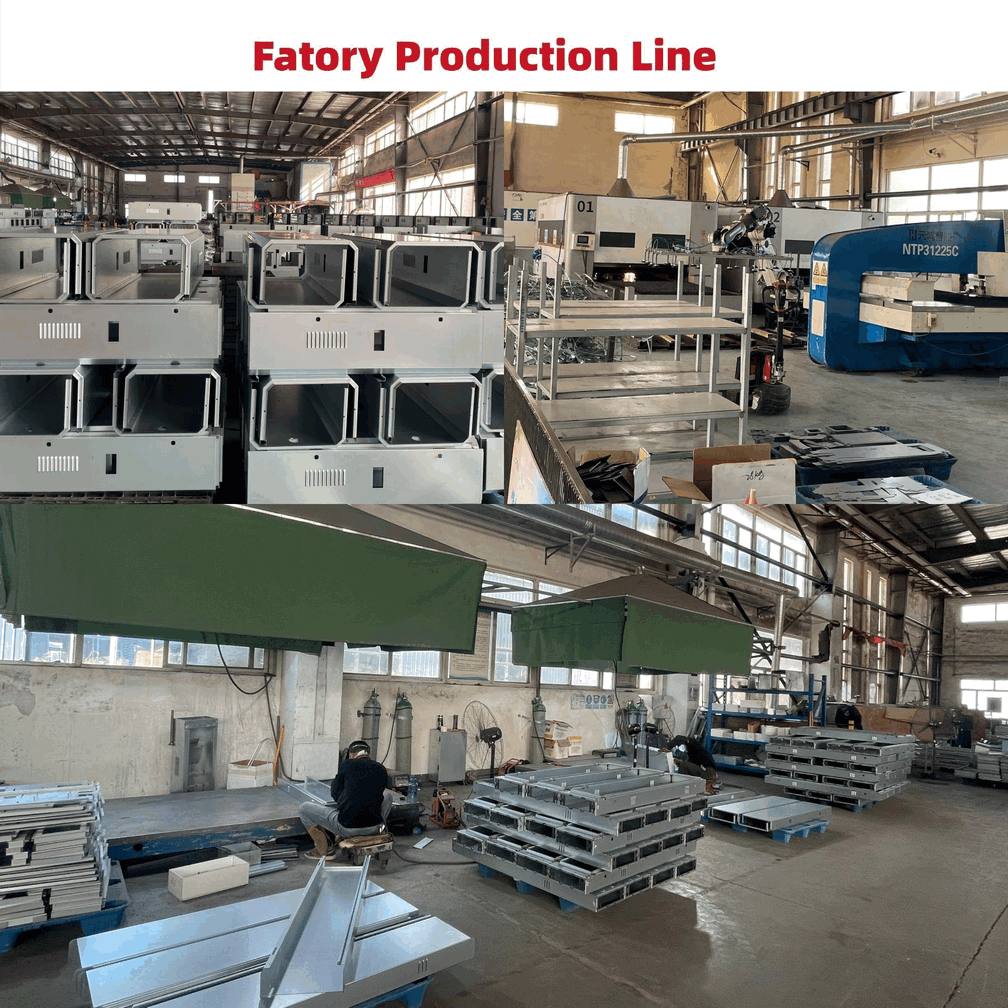
Baroxon designs and manufactures automatic boom barriers, parking barrier gates, LPR/ANPR license plate systems, radar safety sensors, turnstiles, and access control systems. Production is certified to ISO 9001, ISO 14001, and ISO 45001, and the company operates two production bases and two R&D centres covering more than 2,000 m2. For related background, see the other technical guides in this section.
Choosing the right automatic parking barrier means balancing traffic capacity, arm geometry, safety, access control, environmental protection, system integration and lifecycle cost. Start with a site survey, document the operating requirements, and compare model-specific technical data. BAROXON range of boom barriers, high-speed gates and LPR/RFID-related solutions provides a useful starting point for building a project shortlist. Before placing an order, confirm the exact configuration, compatibility, installation scope and after-sales terms with the supplier.