English
 Bahasa Indonesia
 Bahasa Melayu


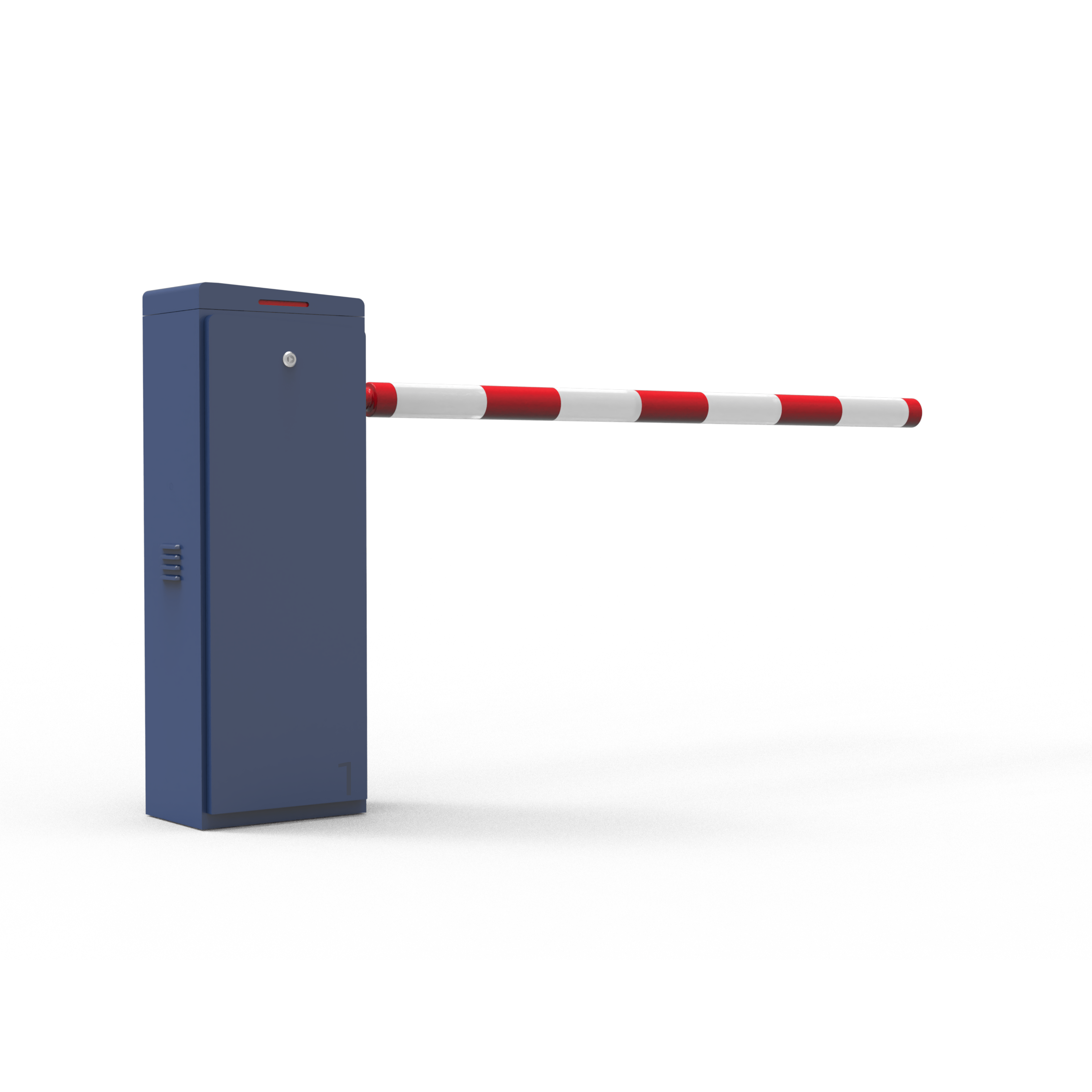
A parking barrier and a boom barrier usually describe the same basic equipment: a powered mechanism that raises and lowers a horizontal arm to control vehicle entry or exit. The wording varies by country, supplier and application. The most useful comparison is therefore not only the name, but the design of the equipment, operating environment, safety functions and integration options.
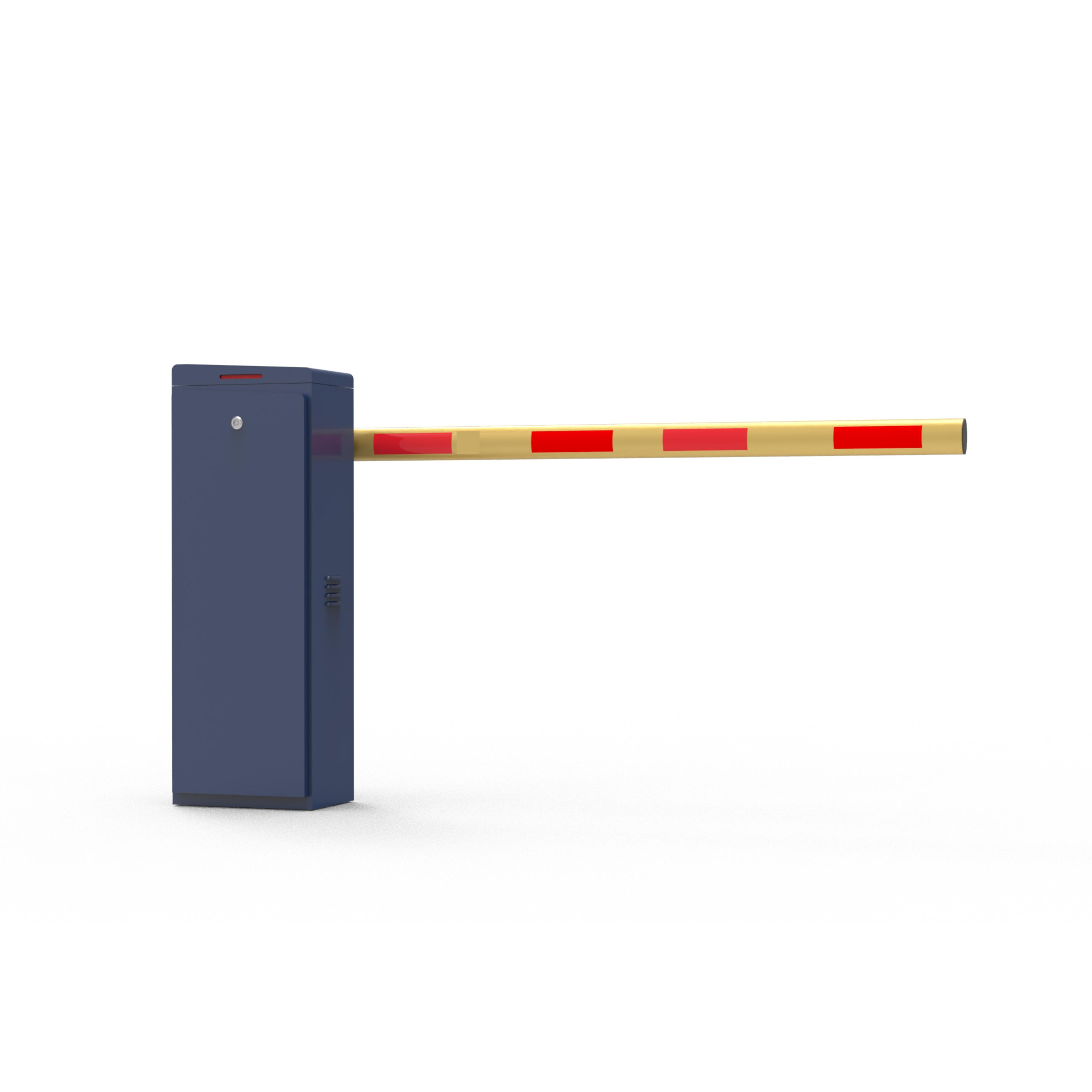
Quick answer: usually, yes. A boom barrier is named for its defining moving arm, while a parking barrier is named for its common use in parking access control. The same device may be called either term depending on where and how it is installed. Always compare measurable specifications rather than the product name.
In everyday industry usage, there is no universal technical standard that separates the phrase "parking barrier" from "boom barrier." The distinction is usually contextual. When comparing quotations, compare measurable details such as arm length, opening and closing time, motor type, duty cycle, enclosure protection, safety inputs, access-control interfaces and warranty.
| Aspect | Parking barrier | Boom barrier |
|---|---|---|
| Typical meaning | A barrier used for parking access | A barrier using a movable boom arm |
| Term emphasis | Application | Mechanism |
| Common locations | Car parks, garages, residential communities | Car parks, factories, toll lanes, logistics sites |
| What to verify | Access workflow and complete system | Arm configuration, mechanism and technical ratings |
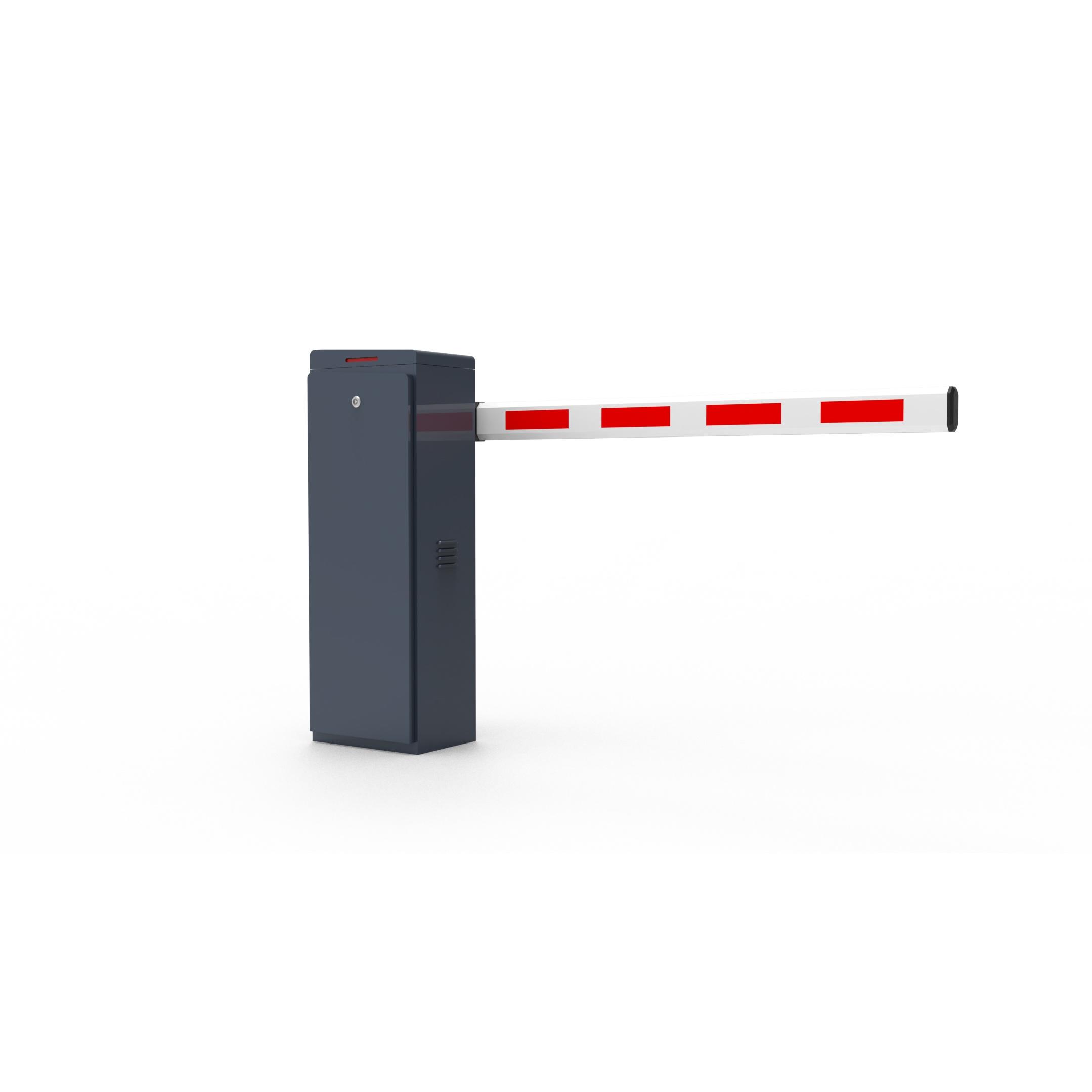
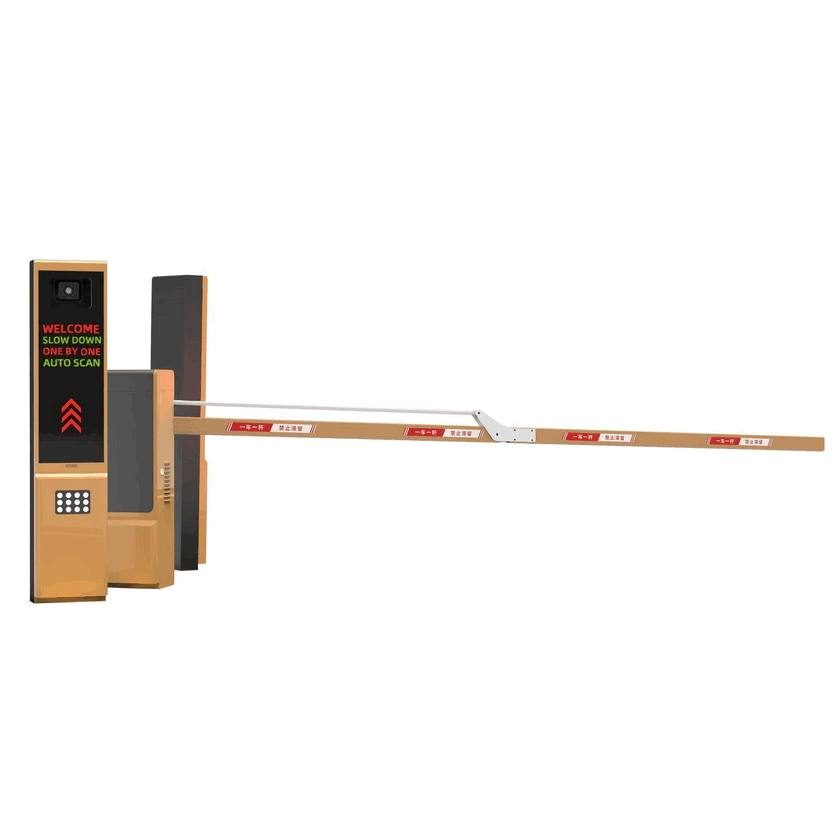
A parking barrier is a vehicle-access control device used to manage who can enter or leave a parking facility. In a typical automatic installation, the barrier cabinet contains the motor, transmission and controller, while a horizontal arm blocks or releases the lane. The system may be operated by a remote control, push button, RFID card or tag, ticketing equipment, an intercom, a license plate recognition camera, or parking-management software.
The phrase is especially useful when the article or project focuses on the parking experience: resident entry, visitor validation, paid parking, season parking, ticketless access, queue reduction or integration with a parking payment platform. A parking barrier is not necessarily a complete parking-management system; cameras, readers, sensors, payment devices and software may be separate components.
For product options, review the BAROXON parking barrier gate range, which covers straight, folding and fence arms as well as high-speed barrier gates for heavy traffic.
A boom barrier is a vehicle barrier whose main blocking element is a long arm that pivots upward to open and downward to close. The arm may be straight, folding, articulated, telescopic or configured as a fence-style assembly, depending on the model and site requirements. The cabinet and drive unit determine how the arm moves; the controller coordinates commands, safety devices and access permissions.
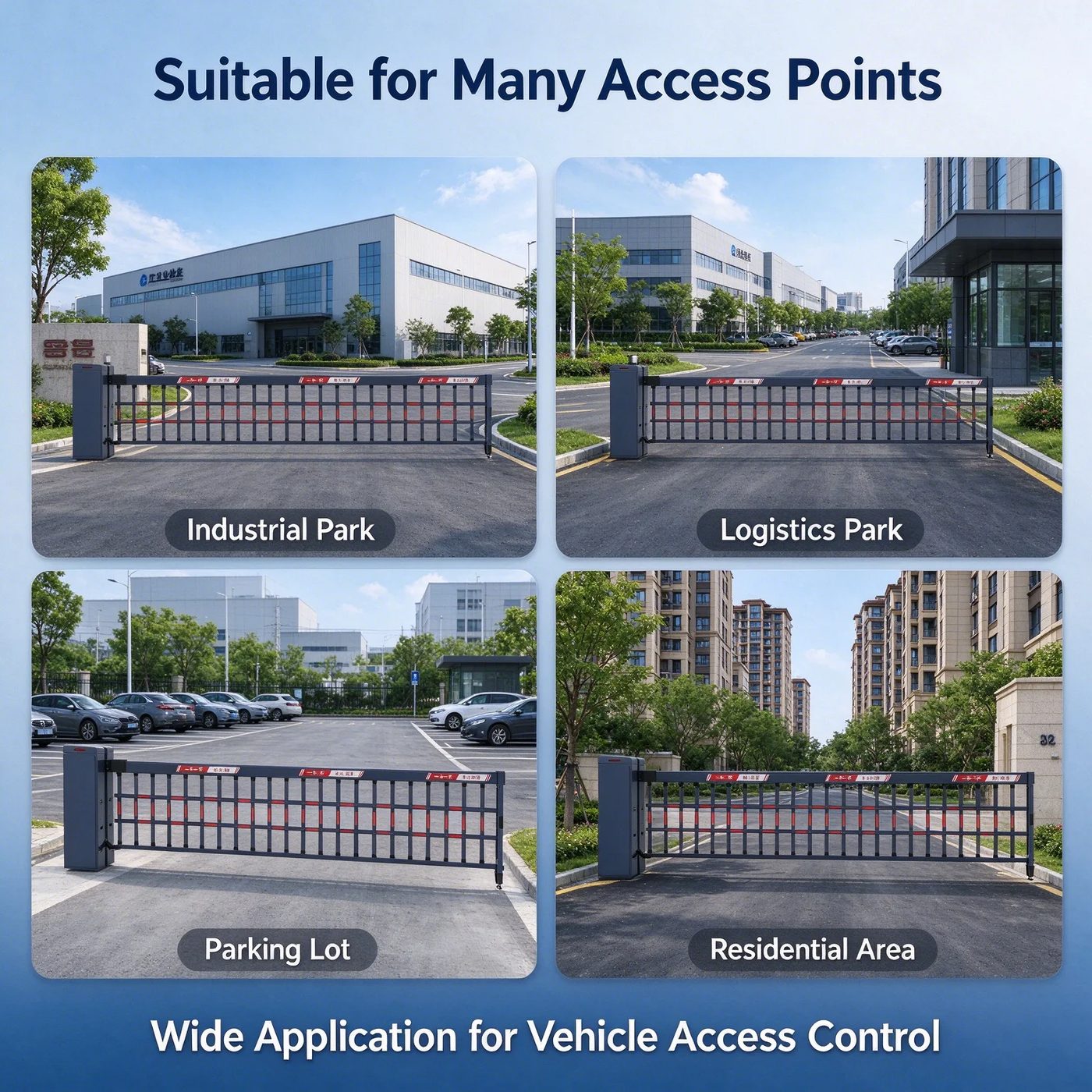
Boom barriers are used in parking facilities, office campuses, residential developments, factories, logistics yards and selected toll or transport lanes. The right configuration depends on traffic frequency, lane width, overhead clearance, wind exposure, vehicle type, required response time and the access-control system. The term "boom barrier" does not automatically mean that a product is industrial-grade or suitable for every outdoor environment; confirm the specific ratings of the model.
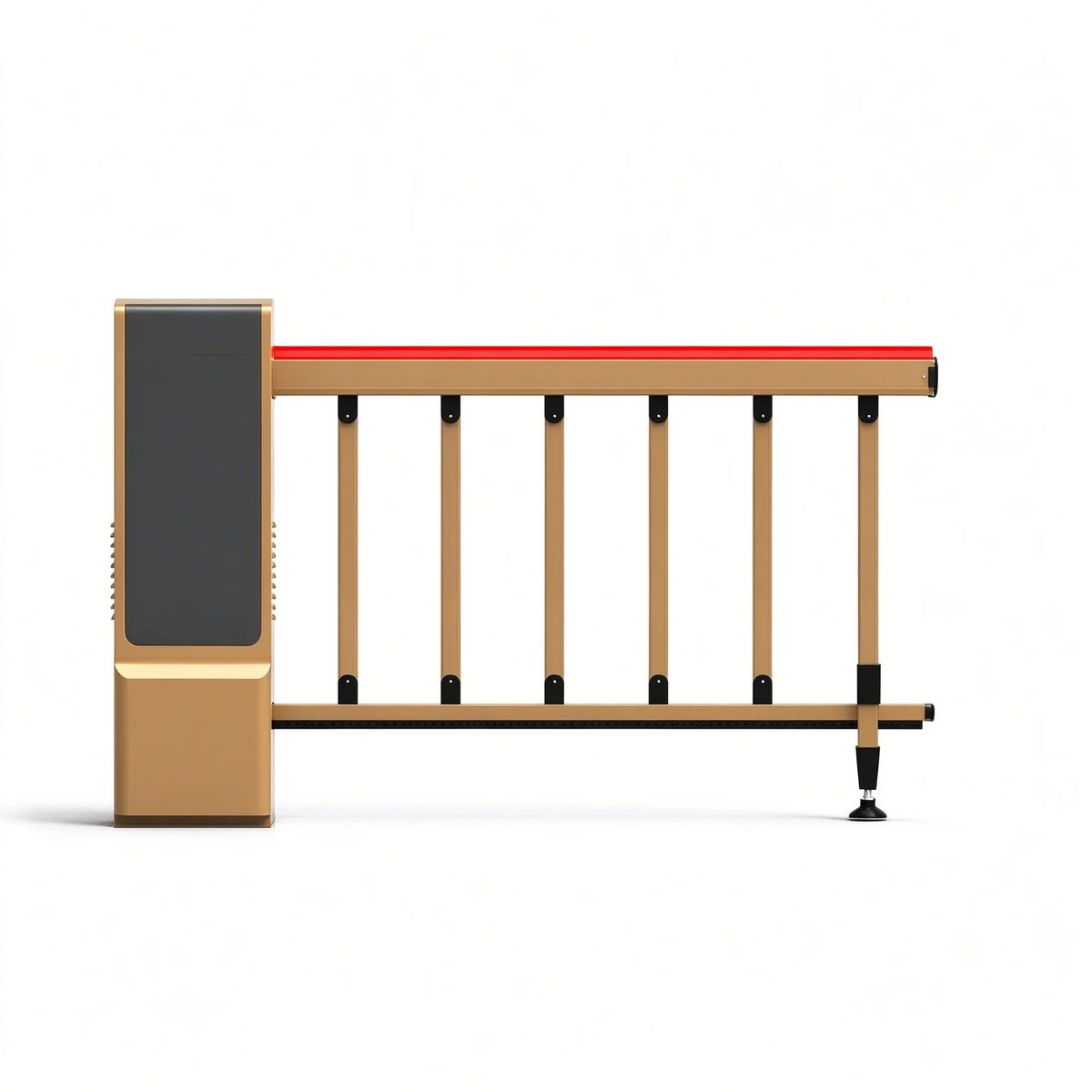
In a typical access sequence, a vehicle approaches the controlled lane and presents an approved credential or is identified by a configured recognition system. The controller checks the authorization signal and, if the operating conditions permit, activates the drive to raise the arm. Vehicle-detection and safety devices help the system manage the passage of the vehicle and determine when the lane can be closed again. The exact sequence varies by controller, sensors and site programming.
A complete installation may include the barrier cabinet and arm, a vehicle loop detector or radar sensor, photocells where appropriate, warning lights, an RFID reader or LPR/ANPR camera, an intercom, a payment terminal and parking-management software. Before purchasing, define which items are included in the quotation and which are supplied or integrated by another contractor.
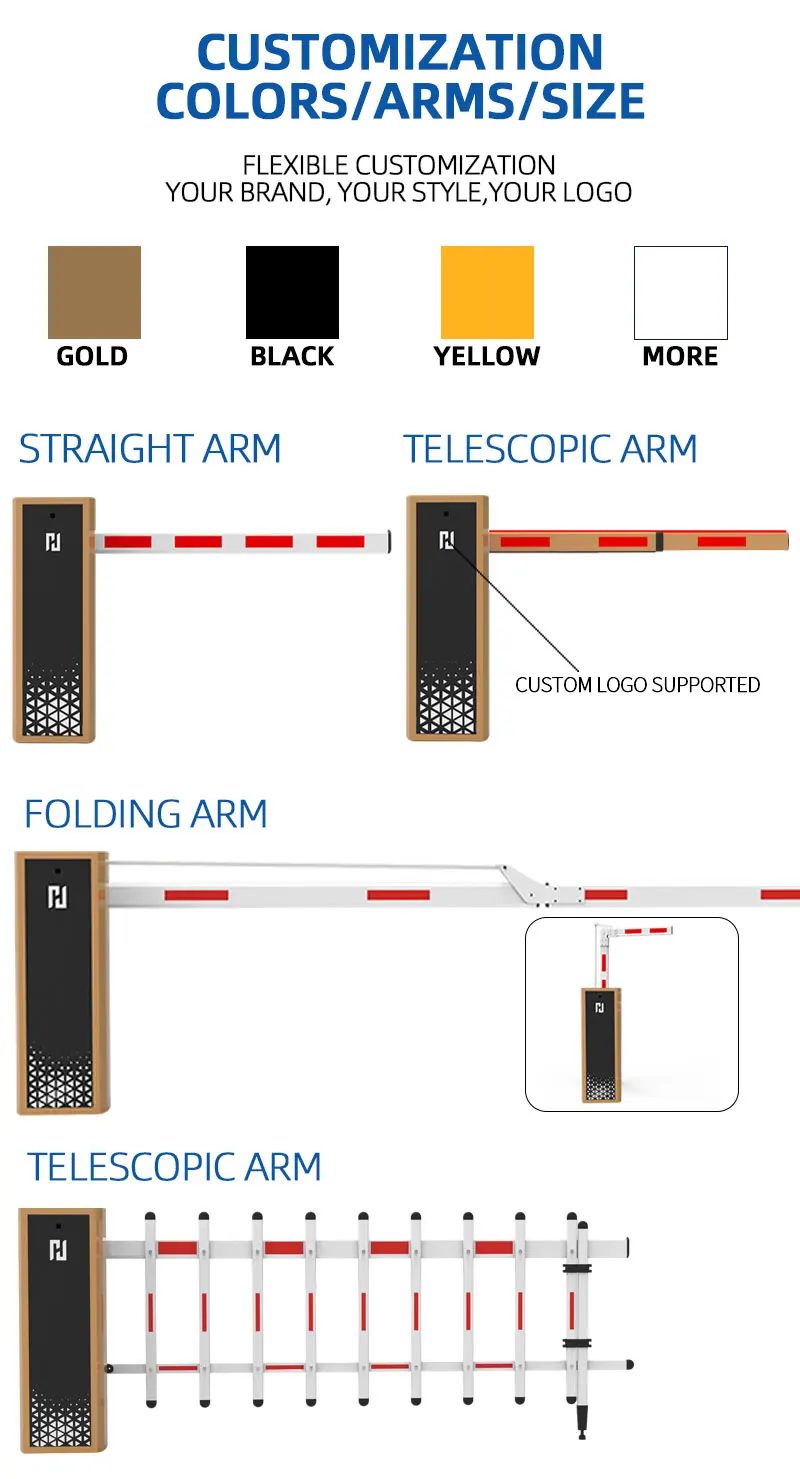
A straight arm is a common option for open-air parking lanes where there is enough vertical clearance. A folding or articulated arm may be worth evaluating in an underground garage or another site where the ceiling restricts the upward movement of the arm. Fence-style arms can create a more visible barrier across a lane, but they affect wind loading, moving mass, clearance and safety planning. Telescopic or other specialized arms should be selected only when the model supports the required geometry and operating conditions.
Before specifying an arm, measure the clear lane width and ceiling height, identify nearby walls and signs, and confirm the required arm length with the manufacturer. Do not assume that every cabinet supports every arm type or maximum length. A longer or heavier arm can change the required drive configuration and operating performance.
A moving barrier arm must be assessed as part of the full vehicle and pedestrian environment. Ask how the proposed system detects a vehicle beneath or near the arm, whether it supports loop detectors, radar or photocells, and how the controller responds to an obstruction. Check warning lights, audible alerts, emergency release, manual operation during a power failure and the procedure for testing safety functions after installation. Device selection and placement should be validated by a qualified installer against the site layout and applicable local requirements.
Do not rely on a generic product description to establish that a barrier is safe for a particular site. Request the exact manual for the model, wiring diagram, supported safety accessories and written installation guidance. A barrier is an access-control device, not a substitute for suitable lane design, signs, traffic rules or trained site operation.
Because the terms often overlap, the better question is which barrier configuration fits the project. A residential community may prioritize convenient resident access, visitor handling and quiet operation. A shopping mall may focus on queue management, payment integration and high turnover. A logistics site may need frequent operation, truck-lane geometry and auditable access records. A low-ceiling garage may require a folding-arm solution, while an exposed outdoor lane needs a suitable enclosure and arm configuration for its environment.
| Site type | Priorities to evaluate |
|---|---|
| Residential community | Resident credentials, visitors, intercom, safe vehicle detection |
| Shopping mall / paid car park | Payment workflow, queue length, LPR/RFID integration |
| Office campus | Staff permissions, visitor records, system integration |
| Factory / logistics yard | Frequent cycles, truck access, audit trail, robust installation |
| Underground garage | Ceiling clearance, folding arm, compact layout |
| Toll / transport lane | Throughput, control logic, engineered lane safety |
The barrier mechanism controls the physical lane, but the access-control method determines who can pass and how the event is recorded. RFID is often suitable for registered users with cards or tags. LPR/ANPR can support plate-based authorization when camera placement, lighting, plate conditions and local data policies are suitable. Tickets, QR codes, intercoms and payment terminals may be appropriate for visitors or paid parking. Some facilities combine several methods to support different user groups.
Before ordering, confirm the interfaces and protocols supported by the controller, the software and camera responsibilities, network requirements, offline operating behavior, event logging and integration-testing scope. Product-category pages are useful for initial research, but they do not replace a project-specific compatibility statement.
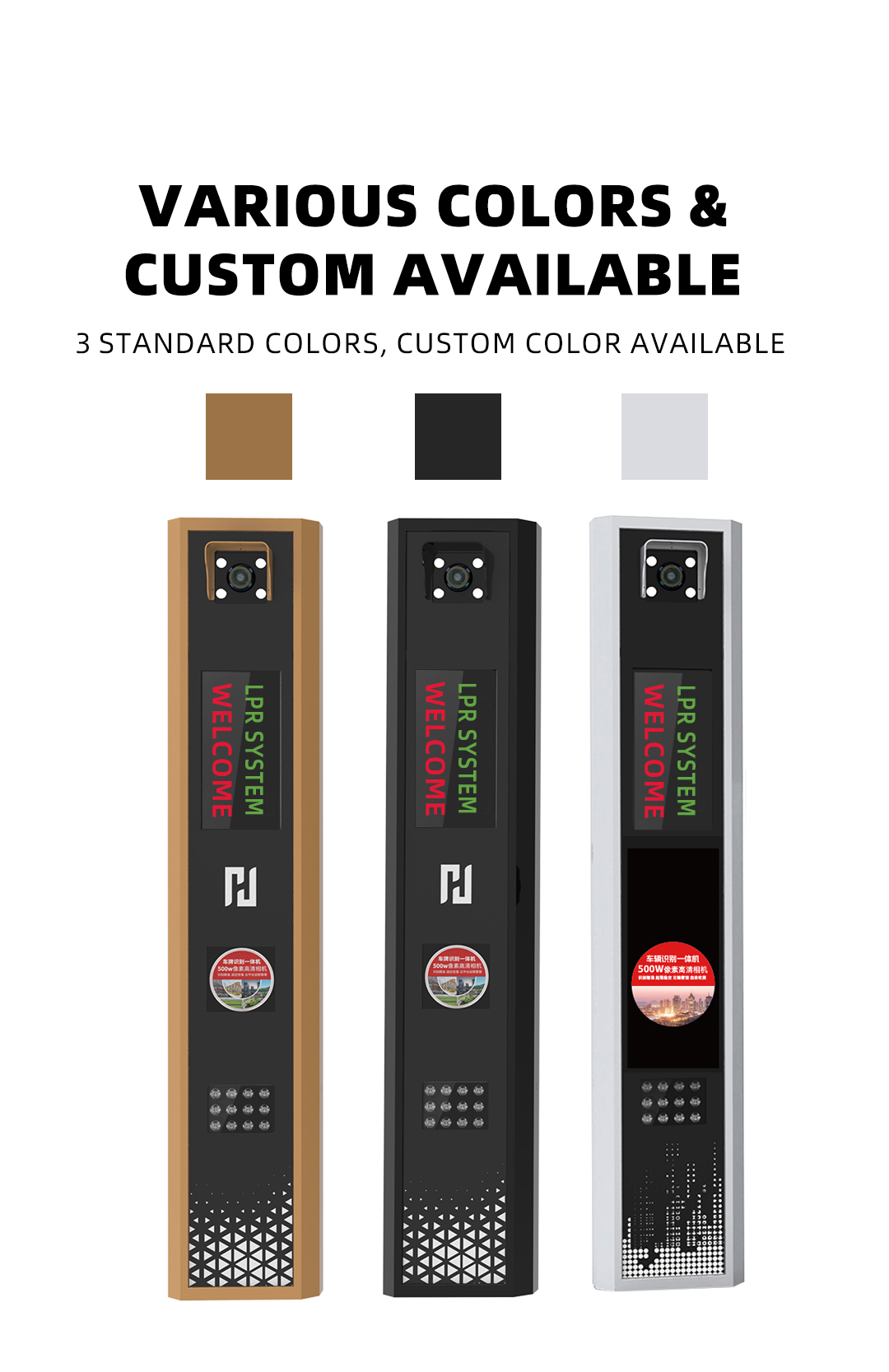
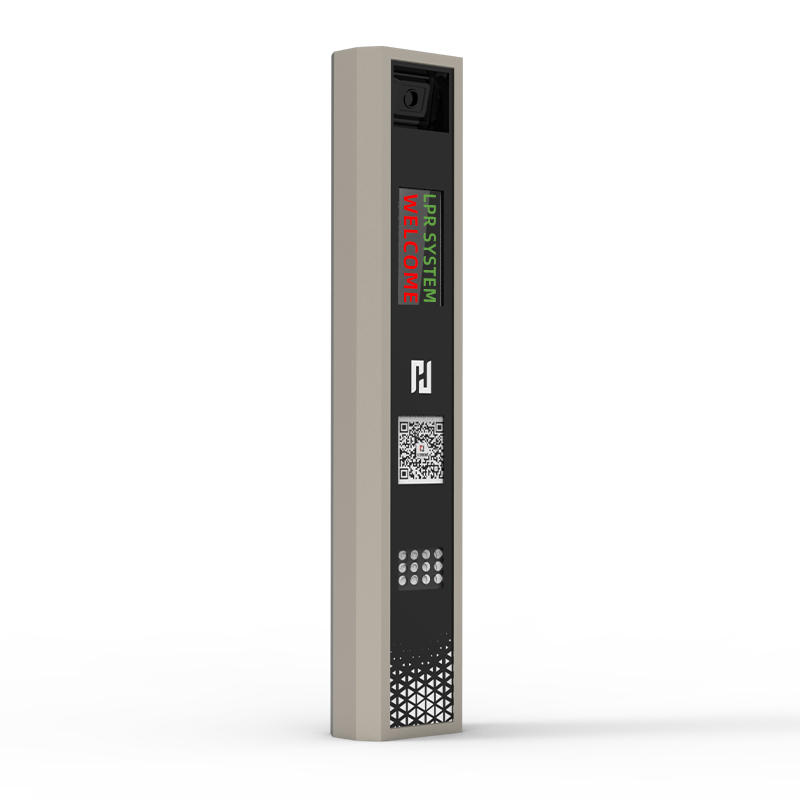
Compare the automatic RFID boom barrier category with the BAROXON LPR/ANPR boom barrier solution to identify the access method worth evaluating for your project.
Compare the exact model and configuration, not just the product category. Record the supported arm length and type, opening and closing time, motor and drive type, expected cycle frequency, protection rating, operating-temperature range, safety inputs, supported control interfaces, warranty and spare-parts availability. Ask for the test conditions behind performance claims and verify that the quoted arm and accessories match those conditions.
Total cost includes more than the barrier itself. Include foundation and civil works, electrical installation, sensors, readers or cameras, software, network setup, integration, training, maintenance and downtime risk. A lower initial price may not deliver better value if the equipment is poorly matched to traffic volume or if integration responsibilities are unclear.
In many markets, the two terms describe the same type of arm-based vehicle barrier. The phrase parking barrier emphasizes the parking application, while boom gate emphasizes the barrier arm. Always check the actual design, photographs and technical specifications of the product rather than relying on the product name alone.
It can be, provided the model and installation are appropriate for the lane, traffic level, access method and safety requirements. Depending on the site, resident RFID, registered-plate access, intercoms and visitor workflows may all be considered.
No. The term describes the arm-based mechanism, not a guaranteed speed or duty rating. Confirm the exact cycle performance of the model, opening and closing time, arm configuration and test conditions before making a decision.
RFID uses cards or tags, while LPR/ANPR identifies vehicle plates. The right option depends on users, traffic conditions, local privacy requirements, camera conditions, budget and software compatibility. Some sites benefit from using both methods.
No single barrier or sensor can eliminate every risk. Appropriate detection devices, correct placement, suitable control logic, clear signage, safe lane geometry and proper maintenance all matter. Have the complete installation assessed and tested by qualified personnel.
Baroxon designs and manufactures automatic boom barriers, parking barrier gates, LPR/ANPR license plate systems, radar safety sensors, turnstiles, and access control systems. Production is certified to ISO 9001, ISO 14001, and ISO 45001, and the company operates two production bases and two R&D centres covering more than 2,000 m2. For related background, see the other technical guides in this section.
The difference between a parking barrier and a boom barrier is often a matter of terminology rather than a strict technical distinction. A parking barrier is commonly named for its use in parking access control, while a boom barrier is named for its movable arm. To choose the right solution, assess traffic demand, lane dimensions, arm type, safety devices, access-control integration, environmental conditions, service support and total cost. The BAROXON barrier gate, RFID and LPR/ANPR product information can help create a shortlist, but the final choice should be verified against the exact model datasheet and project requirements.